
Sociologist Says Melukat Trend Driven by Urban Society's Need for Healing
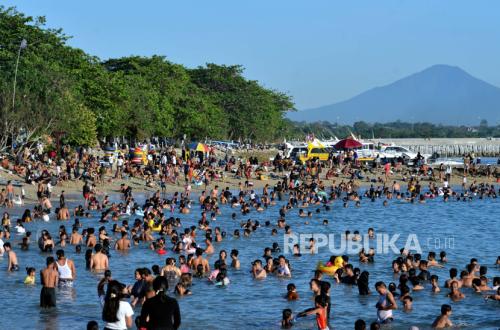
JAKARTA – The melukat ritual has recently become a trend among young people. Not a few public figures have even shared their experiences of taking part in this Hindu Balinese self-purification ritual on social media.
Dr Ivanovich Agusta, a sociologist from IPB University, believes the popularity of melukat cannot be separated from the meeting point between the psychological needs of modern society, the development of social media, and the wellness tourism industry. He explained that melukat is essentially a Balinese Hindu religious ritual of self-purification, both sekala and niskala — physical and spiritual — using sanctified water.
“A ritual that was originally religious and profane in character has now transformed into a space where the psychological needs of modern society, the dynamics of social media, and the tourism industry converge,” said Ivanovich when contacted by Republika on Wednesday (29/7/2026).
According to Ivanovich, urban society lives in a fast-paced, competitive working rhythm full of structural pressures. This condition triggers anxiety and a sense of alienation, so melukat is perceived as an instrument of catharsis through the medium of water and tranquil natural landscapes.
He said the way people cope with stress has also changed. Whereas it was previously done largely through the consumption of entertainment such as shopping or nightlife, it is now shifting towards a more holistic concept of health through wellness tourism.
“In the past, healing was done through conventional consumerism like shopping and nightlife. Now there is a shift towards a more holistic health approach through wellness tourism, which combines physical health, mental tranquillity, the aesthetic beauty of a place, and positions traditional rituals as an alternative form of self-care,” said Ivanovich, who also serves as Head of the Centre for Agricultural and Rural Development Studies at IPB.
Moreover, he said, tourists are no longer seeking only scenery or entertainment, but experiences that are personal, emotional, and meaningful. Melukat itself offers natural surroundings, water, silence, ritual, symbols of purification, and a narrative of releasing burdens and starting anew all at once.
“These elements align with contemporary tourists’ need for holistic and transformative experiences,” he said.
Ivanovich also observed a shift in the way the younger generation interprets spirituality. According to him, urban youth are beginning to move away from formal religious patterns that tend to be dogmatic, towards spirituality that is more personal, flexible, and close to nature.
In that context, melukat offers an inclusive spiritual experience because participants are not required to convert; rather, they are invited to experience a universal process of inner purification.
“In addition, the younger generation is also drawn to cultural experiences that are considered authentic, unique, and different from daily routines,” he said.
Ivanovich said the melukat phenomenon cannot be seen merely as a search for tranquillity or simply following a social media trend. In his view, the two factors are interconnected and reinforce one another.
Some people, he said, take part in melukat because they are facing a period of life transition, experiencing pressure, or wish to engage in self-reflection. Others, however, discover it through posts by celebrities, influencers, or friends on social media.
He assessed that social media is not only a source of information, but also a space for showing that one has taken part in an experience that is currently popular. “Celebrities function as opinion leaders and providers of social proof. When the melukat experience is repeatedly showcased by famous figures, the ritual becomes more visible, is considered attractive and safe to follow, and ultimately becomes part of the list of must-do experiences when visiting Bali,” said Ivanovich.
Source: jawawa.id (https://jawawa.id/newsitem/sociologist-says-melukat-trend-driven-by-urban-societys-need-for-healing-1785397995)
Originally published by Republika (https://ameera.republika.co.id/berita/tiz7zn425/sosiolog-sebut-tren-melukat-dipicu-kebutuhan-healing-masyarakat-urban), translated from Indonesian