
Sociologist Says Corpse Washer Role Is Essential Yet Overlooked
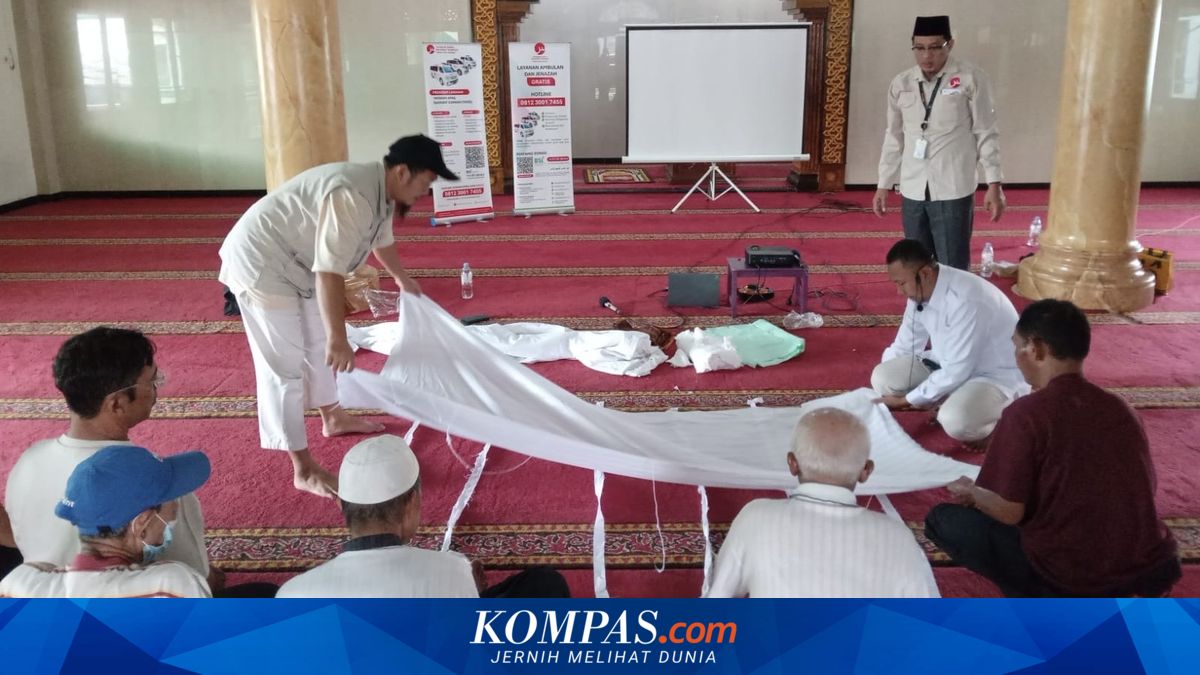
DEPOK, KOMPAS.com - Behind every solemn and peaceful funeral procession lies a silent, often overlooked profession: the corpse washer. They work in enclosed spaces, handling deceased bodies to ensure final farewell rituals comply with religious, ethical, and humanistic norms. For Jakarta State University (UNJ) sociologist Rakhmat Hidayat, the profession occupies a unique yet paradoxical position in modern society’s social structure. From a sociological perspective, Rakhmat explains that modern society tends to ‘remove’ death from public spaces. Whereas death was once a close part of family and community life, the process is now largely delegated to institutions such as hospitals, funeral homes, and volunteer corpse-washing teams. Consequently, corpse washers are a vital part of the social system, yet remain largely invisible. ‘They are essentially social ritual workers. Not only do they clean the body, but they also uphold human dignity until the end of life,’ Rakhmat says. However, due to direct contact with lifeless bodies, blood, and often traumatic conditions, social distance emerges within society. On one hand, they are needed; on the other, the profession is rarely openly discussed or accorded equal recognition to other jobs. The phenomenon reflects social ambivalence: high demand for the role coupled with symbolic avoidance. They face death daily, including in extreme cases like accidents or severe illnesses. ‘Psychologically, they may experience mental strain, secondary trauma, and emotional exhaustion. Desensitisation to death can also occur,’ Rakhmat states. Yet on the ground, many corpse washers develop survival mechanisms through spiritual and religious values. Religious faith, empathy, and acceptance of death help them maintain mental stability. Additionally, social stigma persists. Some in society still fear or feel uncomfortable with the profession, associating it with the mystical. In sociology, this is termed social labelling: when a profession is assigned negative meaning by society. However, in some communities, corpse washers are highly respected for their noble and devoted service. Interestingly, Rakhmat Hidayat argues that the work fosters a more reflective outlook on life. ‘They witness daily that social status, positions, and human conflicts all end at the same point: death,’ he says.