
Social Stratification in the Holy Land: Hajj and the Transformation of Religious Economy
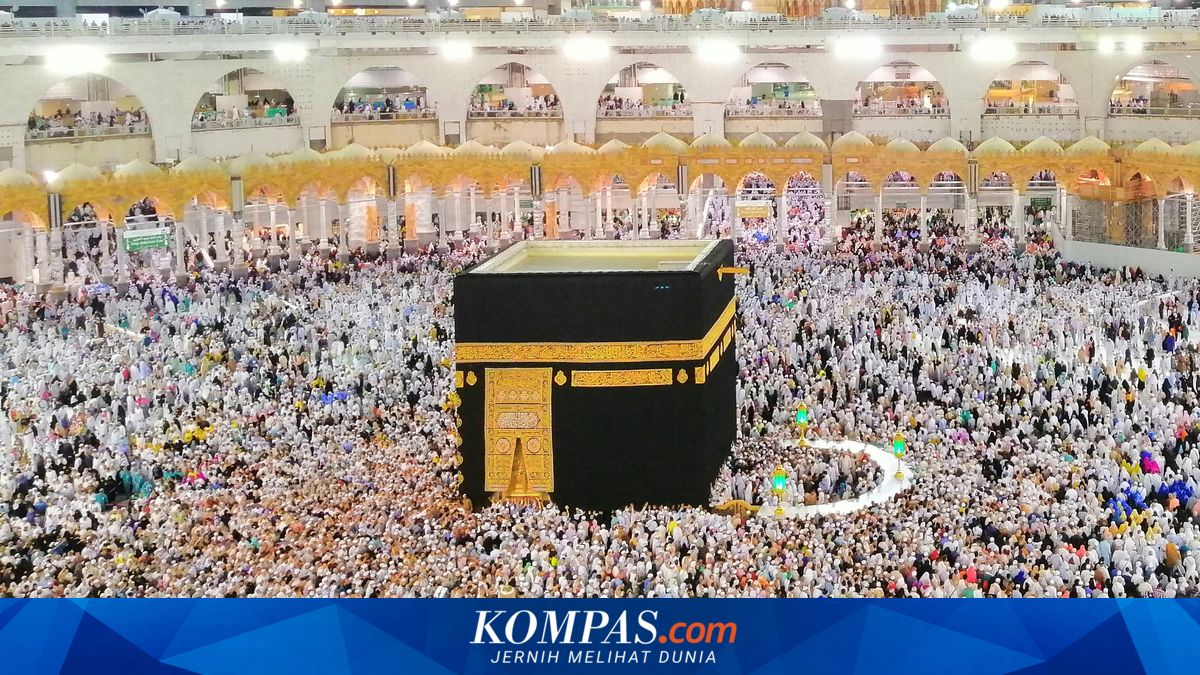
This article is an opinion piece, and all content and opinions reflect the personal views of the author and do not reflect the editorial stance.
By: Dr. Salahuddin El Ayyubi, Lecturer at FEM and Researcher at IPB University
Amidst the current economic pressures, where the purchasing power of Indonesia’s middle class continues to erode, job losses loom in various sectors, and the cost of living continues to rise, a surprising sociological anomaly has emerged.
The enthusiasm of Indonesian Muslims to perform the Hajj and Umrah pilgrimages seems to know no bounds.
The queue for regular Hajj pilgrimages continues to stretch for decades, various religious savings schemes are proliferating, and Umrah travel agencies continue to grow in even the most remote villages.
The critical question is: is the commercialization of this pilgrimage honoring the dignity of the community, or is it slowly reducing the sacredness of religion to just a commodity on display?
In the past, the Hajj pilgrimage was understood as a solemn ritual, ascetic, full of spiritual practices, and often the culmination of a lifetime of spiritual anticipation. But today, the echoes of the Talbiyah prayer are accompanied by the rather loud hum of capitalism.
The growth of the urban Muslim middle class in the last two decades has not only created new purchasing power, but also created a pattern of consumption based on religious identity.
Religion is no longer confined to the prayer mat but has transformed into a consumption preference and lifestyle.
The practice of Hajj and Umrah today has given rise to a giant and very complex economic chain, ranging from international airlines, networks of Sharia-compliant star hotels, banking, insurance companies, to marketplaces for Muslim goods and religious-themed digital content.
The spiritual experience is slowly being positioned as a kind of economic commodity that is professionally packaged, priced, and segmented into various service classes based on the financial capacity of pilgrims.
The sharpest criticism of this transformation is clearly seen in the proliferation of the “Hajj Furoda” phenomenon and exclusive or VIP pilgrimage packages.
Theologically, the Hajj ritual actually contains a very strong message of resistance to social stratification. The plain white Ihram cloth without seams and without rank attributes is a symbol of absolute egalitarianism as a form of declaration that in the presence of the Creator, a king and a commoner stand on the same ground.
However, the economic reality of religious tourism today is actually tearing apart the philosophy of the “Ihram” cloth of equality. The spiritual experience in the Holy Land is no longer present in the same space but is increasingly stratified by the economic classes of modern society.
Those who have hundreds of millions of rupiah can now cut through the long queues of decades through non-quota channels, and enjoy the privacy of five-star hotels in the courtyard of the Grand Mosque.
Source: jawawa.id (https://jawawa.id/newsitem/social-stratification-in-the-holy-land-hajj-and-the-transformation-of-religious-economy-1780599878)
Originally published by Kompas (https://money.kompas.com/read/2026/05/16/094217226/kasta-di-tanah-suci-haji-dan-transformasi-ekonomi-religi?utm_source=ABC&utm_medium=rss), translated from Indonesian