
Social Science Academics Describe Ahmad Luthfi’s Leadership as People-Centred and Humanistic
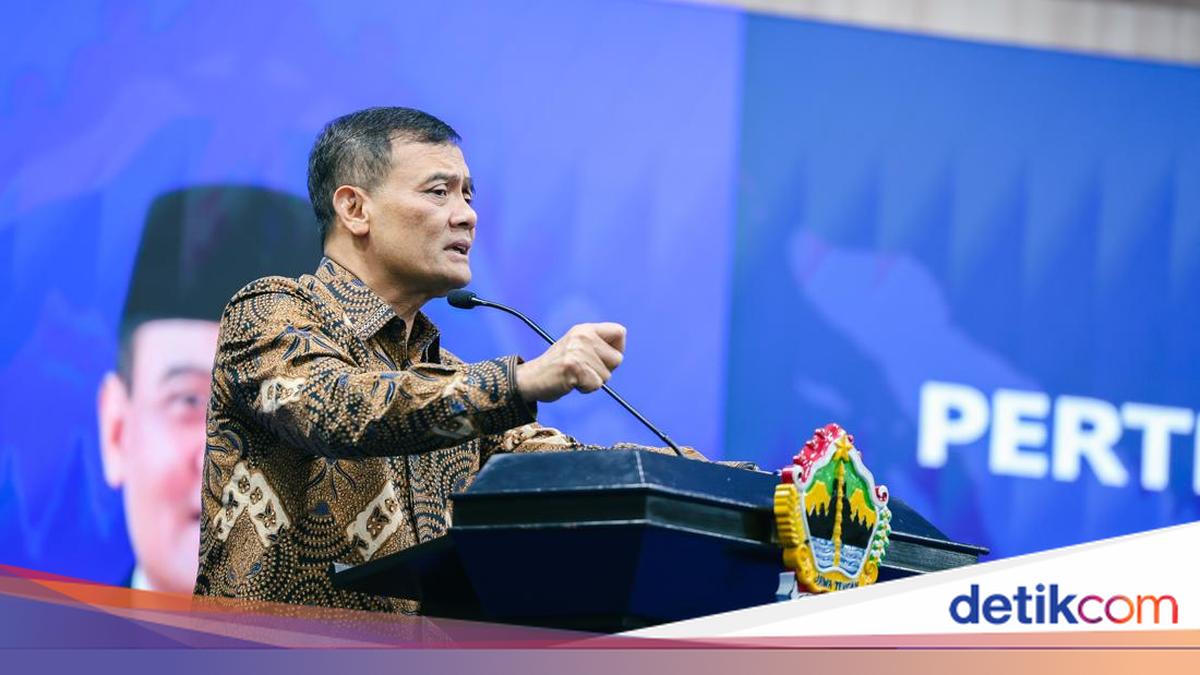
Finn ah Fourqoniah, Dean of the Faculty of Social and Political Sciences (FISIP) at Mulawarman University in East Kalimantan, said Luthfi was able to explain the various issues facing Central Java and the measures being taken to address them.
“I listened to the Governor’s speech earlier. Amazing. I was really pleased. He understands the context of the problems and is trying to develop activities or programmes that will tackle them,” she said in a written statement on Saturday (24 October 2026).
She made the remarks after the welcoming dinner for the Forum of Deans of Social Science Faculties at State Universities across Indonesia (Fordekiis), held at the Gradhika Bhakti Praja building in Semarang the previous day.
As an academic, Finnah regards understanding regional issues as fundamental to leadership. She said Luthfi had not merely presented programmes, but had also shown sensitivity to the circumstances of the people those policies were intended to serve.
“He is highly sensitive to these issues. Many regions do not have that,” she said.
She hoped Central Java’s approach could serve as a reference for other regions. Finnah also highlighted the role universities can play in helping the government formulate solutions to development challenges.
Similarly, Fordekiis chair and former Dean of the Faculty of Social and Political Sciences at Gadjah Mada University (UGM), Wawan Mas’udi, said Luthfi’s leadership was close to the public and placed residents’ concerns at the forefront.
“Both in his style and in the policies he has adopted, he is one of those governors who is very people-centred, down to earth, and makes resolving public concerns a priority,” he said.
Wawan said the Central Java provincial government’s commitment to collaborative governance created opportunities for various parties to take part in the development process.
He said relations between government and universities should work in both directions. Universities can contribute research, innovation and academic expertise to inform policy, while issues faced by government can provide subjects for academic research into practical solutions.
“We know that collaboration is the most fundamental key to ensuring that innovations and ideas from universities can inspire government policy,” he said.
For Wawan, collaborative governance should also involve businesses and the public. That way, addressing development challenges would not be the government’s responsibility alone, but would also draw on the resources and expertise of relevant partners.
At the same event, Supriadi Torro, Dean of the Faculty of Social Sciences and Law at Makassar State University, said Luthfi’s speech reflected a humanistic leadership style.
“He raised an issue and then offered a solution. All of his steps were measured,” he said.
Supriadi said the focus on public service was one of the important themes in Luthfi’s remarks. He understood them to stress that the government must ensure people receive the services they need.
Supriadi also underlined the importance of universities as government partners. In his view, universities’ academic expertise can help the government set policy direction and assess unresolved issues.
The Central Java Provincial Government has established partnerships with 123 universities in the region through programmes including student community service placements (KKN), desalination, business support, data collection on uninhabitable homes and stunting prevention.
Luthfi said university involvement was important in addressing a range of regional development challenges, including through thematic KKN activities and support for partner villages.
He said Central Java faced challenges including tidal flooding in coastal areas, the need for a job-ready workforce and improving human resources. These issues, he said, required contributions from a range of academic disciplines, including the social and political sciences.
He stressed that development should also improve people’s overall quality of life. FISIP, he said, was expected to help understand social issues and contribute to the direction of regional development.
Source: jawawa.id (https://jawawa.id/newsitem/social-science-academics-describe-ahmad-luthfis-leadership-as-people-centred-and-humanistic-1792817514)
Originally published by detikcom (https://news.detik.com/bangun-indonesia/d-8721830/akademisi-ilmu-sosial-sebut-kepemimpinan-ahmad-luthfi-merakyat-humanis), translated from Indonesian