
Social Protection Digitalisation Marks Beginning of National Digital Public Infrastructure
Jakarta - The Digital Transformation Acceleration Committee has stated that the digitalisation of Social Protection (Perlinsos) is the initial step in implementing a national Digital Public Infrastructure (DPI) to support various social protection programmes, including subsidies, the Smart Indonesia Programme (PIP), and National Health Insurance contribution assistance (PBI JK).
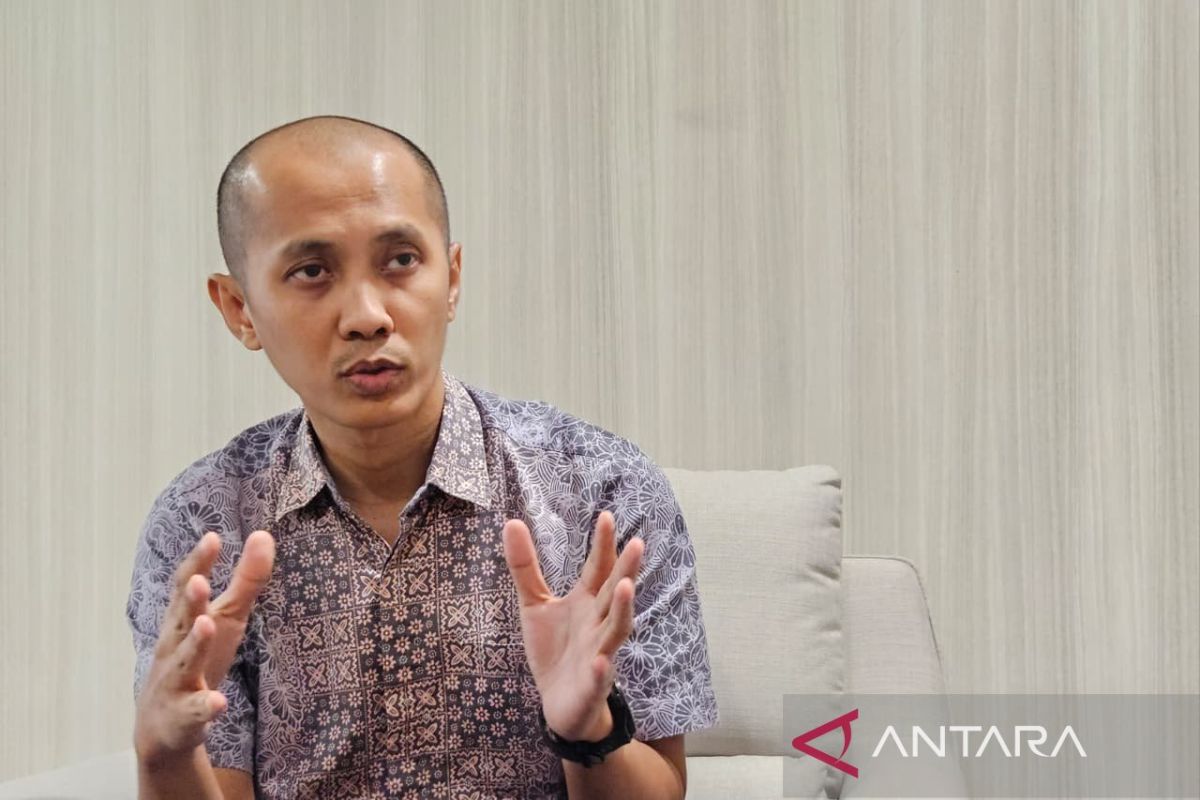
Rahmat Danu Andika, Coordinator of the Committee’s Daily Task Force, said in Jakarta on Friday that DPI interoperability makes government services more effective. He gave the example of a digital identity concept that allows a single identity to be used to access various government services, similar to using one Google account to log into multiple platforms.
‘The goal of government digitalisation is to reduce exclusion errors, reduce inclusion errors, and increase public acceptance,’ he said.
Rahmat explained that Perlinsos was chosen as the initial DPI implementation because the issue of misdirected social assistance is easily understood and has a direct impact on the public. He cited that in the social assistance distribution system, there was previously a 77 per cent exclusion error, meaning around 7 out of 10 poor people were not receiving social assistance. ‘Because earlier, in social assistance before the National Socio-Economic Single Data (DTSEN), there was a 45 per cent inclusion error, meaning out of 10 people receiving social assistance, 4 to 5 were actually not eligible,’ he said.
With a DPI supported by artificial intelligence (AI) for verification and an easy way to access services, trillions of rupiah in social assistance funds can be allocated to those who are more entitled. He mentioned that the AI model currently used for authentication supports liveness detection, a technology that ensures the person in front of the camera is a real human, not a photo, video, or deepfake.
Furthermore, he said the transparent Perlinsos portal increases public acceptance of the results of beneficiary selection, whether accepted or rejected. He gave an example of a person who used to receive assistance but was later removed from the list. When they asked the sub-district officials, no one could explain the reason for the termination. ‘But recently, when a Perlinsos agent visited the person’s home and tried the system, the result came out immediately after registration. It showed that one of the reasons they were no longer eligible was that a family member had a wage above the threshold,’ Rahmat said. The person immediately understood, he added, and was grateful that their family was now considered capable, ultimately relinquishing their social assistance quota for someone else.
Rahmat assessed that such transparency can reduce negative prejudice against the beneficiary selection process while increasing public trust in the government’s social protection programmes.