
Social Ministry Intensifies Emergency Response for Earthquake-Affected Areas in East Nusa Tenggara
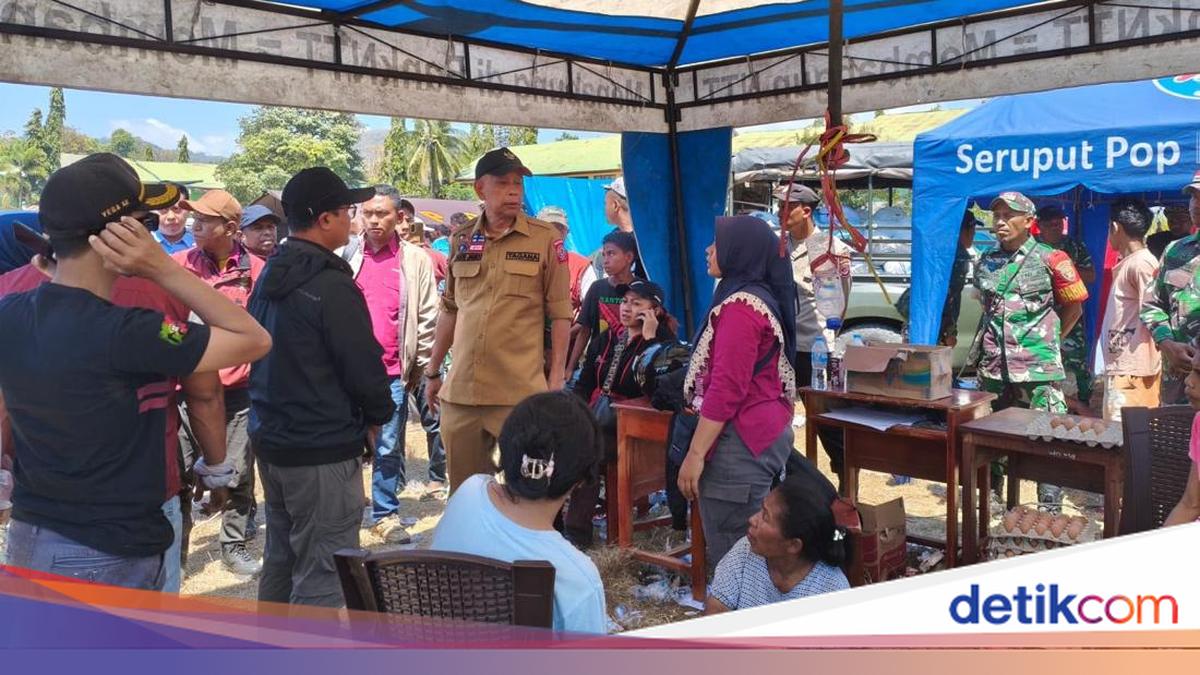
The Ministry of Social Affairs is strengthening emergency response efforts in East Nusa Tenggara (NTT) following an earthquake that affected seven districts: Nagekeo, Sikka, Manggarai, East Manggarai, Ngada, Ende, and West Manggarai. The response focuses on meeting the basic needs of affected communities, accelerating logistics distribution, operating public kitchens, and providing psychosocial support for those impacted.
Deputy Minister of Social Affairs Agus Jabo Priyono said that since the earthquake occurred on 15 August 2026, the ministry has been working together with regional governments and relevant ministries and agencies to ensure the needs of communities in the seven affected districts are met.
“The current status is still an emergency response. The needs we are mobilising are emergency needs,” he said in a written statement on Friday (21/8/2026).
The response in the seven districts prioritises the most urgent needs of the community, particularly food. To date, the ministry has distributed 48 tonnes of rice and 13,100 basic food packages containing essential items such as rice, eggs, cooking oil, and other foodstuffs, as well as shelter equipment and public kitchens in the seven districts.
To meet the basic needs of affected residents, the ministry has also distributed clothing for adults and children. In addition, the ministry has added buffer stock logistics from three warehouses: the Logistics Warehouse in Bekasi, the Logistics Warehouse at Sentra Efata Kupang, and the Logistics Warehouse of the East Nusa Tenggara Provincial Social Office.
The additional supplies include 8,000 ready-to-eat meal packages, 3,224 children’s meal packages, 5,700 tarpaulin sheets, 69 family tents, 38 multipurpose tents, 1,600 family kits, 1,096 kids ware packages, 1,000 mattresses, 3,900 blankets, 150 adult clothing packages, 800 children’s clothing packages, 800 shower kits, 5 dumlap units, 12 emergency lamps, 10 SHS 500 units, 4 portable toilets, 4 main tents, and 116 folding beds.
He said that in addition to buffer stock, the Ministry of Social Affairs, through its disaster preparedness cadets (Tagana), is working with various elements on the ground to produce 22,000 portions of packed rice per day. The food is distributed through public kitchens in the seven affected districts.
“For the seven public kitchens, we produce 22,000 portions every day in the seven districts affected by the disaster in NTT,” he said.
The public kitchens are an important part of the ministry’s rapid response, especially for communities that have lost access to food sources due to damage to homes and disruption of economic activity after the disaster.
Nevertheless, Agus Jabo said that meeting food and clothing needs is not enough to fulfil the emergency needs of the community. Therefore, the ministry is working with various institutions to meet the needs for water, electricity, fuel, communication networks, and health services, which are priorities in the affected areas.
He said restoring basic services is important so that people in shelters can go through the emergency response period more safely and properly.
“We are also ensuring that the electricity network is restored immediately, that fuel stocks are available, and that doctors are present at the evacuation sites,” he explained.
The ministry is also providing compensation to the heirs of deceased victims amounting to Rp 15 million for each heir and Rp 5 million for injured victims. Psychosocial support services are also being provided, particularly for children, the elderly, and residents experiencing trauma due to the disaster.
At the beginning of the disaster response, Agus Jabo said that aid distribution faced challenges due to weather conditions and transportation access. Logistics delivery by sea was hampered by wave conditions, while some land access routes were still disrupted by landslides and rock debris.
To anticipate delays, the ministry took steps to meet aid needs from the nearest areas.
“Because aid from the warehouse takes a long time, we are shopping in the nearest cities affected by the disaster, so that we can meet the needs of their areas as quickly as possible,” said Agus Jabo.
The ministry is also coordinating with the local state logistics agency Bulog to ensure the availability of rice and other food needs.
According to Agus Jabo, identification of affected communities is ongoing, including residents who have evacuated independently. This step is important so that aid is not only concentrated in evacuation sites but also reaches residents in need at various points.
Although the response is currently being accelerated, Agus Jabo added that the ministry will not stop at the emergency response phase. After the emergency period ends, the government will enter the rehabilitation and reconstruction phase through cross-ministerial and regional government coordination.
“After the emergency response is complete, the next process is rehabilitation and reconstruction,” said Agus Jabo.
The ministry will continue to coordinate and work with various elements to ensure affected communities receive support until they can return to normal life. This support includes residents who will later occupy temporary or permanent housing.
“If in the future the community still needs emergency assistance, the Ministry of Social Affairs will certainly make every effort to provide such emergency assistance,” he concluded.
Source: jawawa.id (https://jawawa.id/newsitem/social-ministry-intensifies-emergency-response-for-earthquake-affected-areas-in-east-nusa-tenggara-1787320513)
Originally published by detikcom (https://news.detik.com/berita/d-8629258/kemensos-perkuat-penanganan-darurat-gempa-di-7-kabupaten-ntt), translated from Indonesian