
Social Minister Asks Hospitals to Continue Serving Inactive BPJS PBI Patients, Payment Can Be Discussed
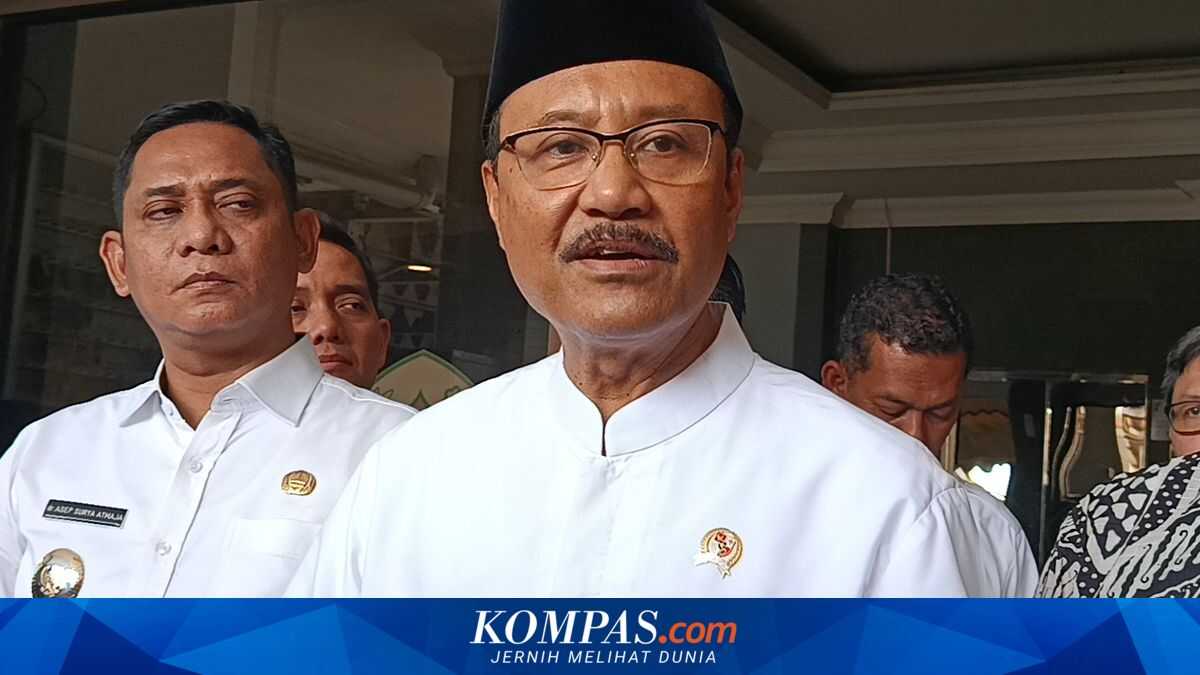
BEKASI, KOMPAS.com – Indonesia’s Minister of Social Affairs, Saifullah Yusuf, has requested that all hospitals that have collaborated with BPJS Kesehatan continue to serve patients in the Penerima Bantuan Iuran Jaminan Kesehatan Nasional (PBI JKN) category, even if their membership is currently inactive. He emphasised that no citizen should be discouraged from seeking treatment simply due to their membership status or financial constraints. “We hope that hospitals that have collaborated with BPJS will continue to serve patients who happen to have been deactivated,” said Saifullah to the media when met in Cikarang Utara, Bekasi Regency, on Wednesday (February 25, 2026). According to him, the issue of payment for services can be discussed and coordinated between the Ministry of Social Affairs and the hospitals. However, if the local government does not have a budget for the current year, payment can be planned for the following year through the APBD (Regional Budget) mechanism. “What if the local government does not have a budget? It can be paid in the following year, planned in advance,” he said. Saifullah emphasised that cross-sectoral collaboration is key to ensuring that the public continues to receive healthcare services amidst the deactivation of millions of BPJS memberships. “If the hospitals are also hesitant to act because there is no guarantee, we will guarantee it. But I cannot pay this year because the APBD must be planned a year in advance,” he said. Regarding public complaints about the lack of socialisation regarding the deactivation of PBI JKN memberships, Saifullah stated that the Ministry of Social Affairs will improve the existing mechanism to include a notification period before the status is deactivated. “We will improve the mechanism. So, perhaps it will be set this month, and take effect two months later,” he said. He explained that if there is no reactivation process or objection from participants during this period, the deactivation will take effect in the following month. “So, we will improve the mechanism to include a socialisation period,” said Saifullah. This policy refers to the Minister of Social Affairs Decree Number 80 of 2025 and Presidential Instruction Number 4 of 2025 concerning DTSEN (Integrated Social Data). Of the total participants who have been deactivated, 5,090,334 people are not included in the DTSEN. Meanwhile, the remaining 2,306,943, based on field verification, are in deciles 6 to 10 or are considered to be in a more prosperous socio-economic condition and therefore no longer meet the requirements as recipients of assistance. The Ministry of Social Affairs ensures that participants who are deactivated will be replaced by underprivileged citizens who have been recorded in the DTSEN to ensure that assistance is targeted effectively. KOMPAS.com is committed to providing clear, trustworthy, and balanced facts. Support the sustainability of quality journalism and enjoy ad-free reading by joining KOMPAS.com Plus now.