
Social media pressure and career demands trigger 'burnout' among young workers
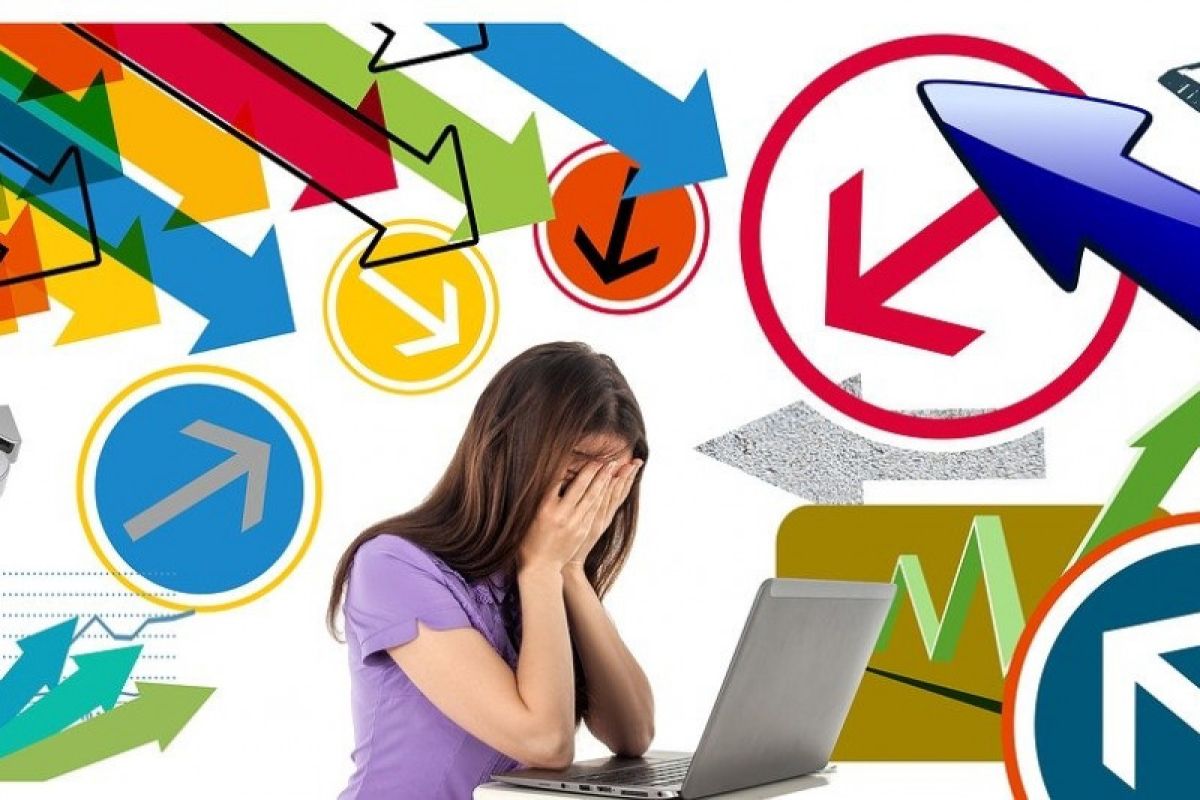
Jakarta (ANTARA) - Clinical psychologist Phoebe Ramadina M.Psi., Psychologist, highlights the condition of burnout in the work environment that is vulnerable to being experienced by young workers, including triggered by career pressures and social media.
According to Phoebe, young workers are more susceptible to burnout because they are in the phase of building their careers and often feel they must continually prove themselves.
“Additionally, pressure from social media makes many people feel left behind if they are not continuously productive,” said Phoebe, when contacted by ANTARA in Jakarta on Thursday.
Phoebe highlights the relationship between the condition of burnout and hustle culture, which often becomes a phenomenon in the work environment. Hustle culture is a tendency in society to encourage someone to remain productive and work non-stop in order to be considered successful.
“If burnout is not addressed, it can also impact a decline in overall quality of life,” stated the psychologist who graduated from the University of Indonesia.
Signs of burnout, said Phoebe, usually start to appear from easy fatigue, increased sensitivity, difficulty focusing, loss of work motivation, easy emotionality, to sleep disturbances or physical complaints.
“Individuals need to start evaluating the sources of fatigue, for example, workload, lack of rest, work relationship pressures, or loss of life balance,” she said.
She suggests starting to rearrange rest patterns, work boundaries, and providing space for emotional recovery.
In addition, it is important to consider a lifestyle that best suits one’s condition and needs, so that efforts to maintain mental health are not merely following trends, but have a healthy and sustainable impact.
According to Phoebe, doing healing or holidays is usually not enough to solve the root of the problem, if the main source of stress remains unchanged, such as a toxic work environment or the absence of healthy work boundaries.
Furthermore, when feeling fatigue starts to disrupt daily life, it is recommended to seek professional help, such as consulting a clinical psychologist to find healthier coping mechanisms.
Previously, the WHO reported that mental conditions such as depression and anxiety increased by more than 25 percent in the first year of the pandemic, adding to the burden on the global workforce. In Indonesia, a national survey recorded around 6 percent of young people experiencing depression.
In this regard, the Ministry of Health (Kemenkes) highlights the need to strengthen mental health services for workers, considering that this relates to occupational safety, staff retention, quality of public services, to national productivity and economy.
Director of Vulnerable Group Health Services at Kemenkes, dr. Imran Pambudi, in Jakarta on Tuesday (5/5), exemplified several practical steps starting from incorporating psychosocial screening into the Occupational Safety and Health (K3) programme.
Then, training managers to recognise signs of stress, expanding social security for informal workers, and implementing family-friendly policies that are expected to reduce the risk of mental disorders and increase productivity.