
Social Assistance to Use Face Scanning, DPR: Alternative Services Must Still Be Provided
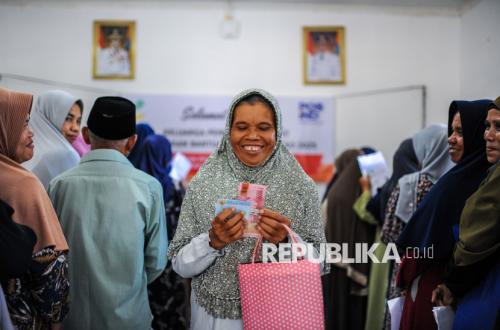
The government will utilise face recognition technology in the distribution of social assistance (bansos). The implementation of this technology aims to increase distribution accuracy, but access for recipients must remain a priority.
Ina Ammania, a member of Commission VIII of the DPR, stated that the digitalisation of social assistance distribution can help ensure that aid reaches the rightful members of the community. However, not all beneficiaries possess the devices or the capability to use digital services.
“Technology must ensure that social assistance reaches those who are entitled, rather than making it difficult for eligible people to receive aid. Digitalisation must be accompanied by assistance, equal access, and the protection of recipient data,” Ina said in a statement on Thursday (17/09/2026).
Ina requested that the government prepare alternative services for recipients facing technological limitations. Facilitators and service agents are also necessary to ensure the social assistance collection process remains accessible.
“Do not let technological limitations become a barrier for social assistance recipients; provide facilitators, service agents, and alternative mechanisms for Beneficiary Family (KPM) members who do not own smartphones or are unable to use digital technology,” she added.
The government also needs to ensure the security of the biometric data used in the system. The protection of recipient data is one of the critical aspects that must be addressed in the implementation of facial scanning technology.
The Ministry of Social Affairs has tested the social assistance distribution system using facial biometric scanning technology in Banyuwangi Regency. The system has since been expanded to 42 regencies/cities.
The government aims to expand the implementation of this system to cover more than 250 regencies/cities by next month, with a target for nationwide implementation by next year.