
SNPMB 2026 Quota Rises to 604,446 as Ministry Adds 163 New Study Programmes
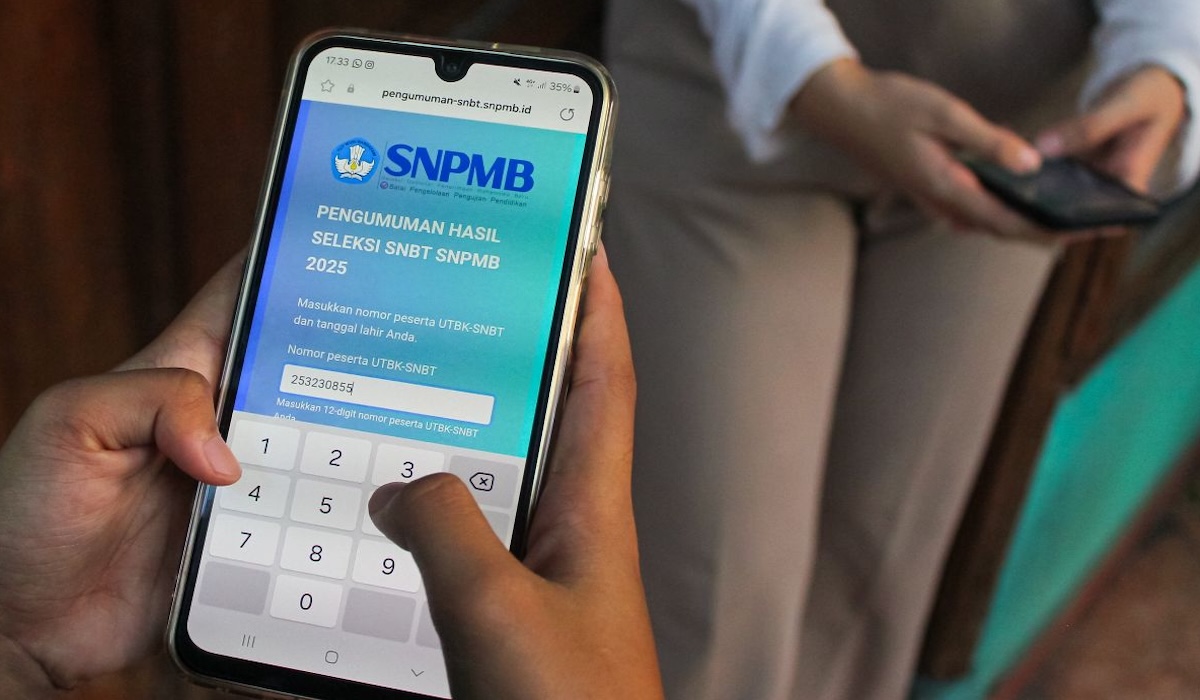
The Ministry of Higher Education, Science and Technology (Kemdiktisaintek) has set the total quota for the 2026 National Student Admission Selection (SNPMB) at 604,446 seats. This represents an increase from the 2025 figure, which was recorded at 595,558 seats.
Badri Munir Sukoco, Secretary-General of Kemdiktable, explained that this increase in capacity aligns with the addition of 163 new study programmes for 2026. This was announced during a hearing with the 2026 SNPMB Working Committee on Thursday.
“The proposal for 2026 was 617,853, but the approved quota is 604,446. This is due to the addition of 163 new programmes, 149 new programmes that have not yet graduated students, and approximately 4,554 existing programmes,” Badri stated.
Data from the Ministry details that 81 universities will see an increase in capacity, 9 universities will remain stable, and 30 universities will experience a decrease. At the programme level, capacity increases occurred in 3,958 study programmes, while 1,283 others saw a reduction.
Badri also emphasised the aspect of inclusivity within the 2026 SNPMB. He highlighted the successes of students from various backgrounds, including visually impaired students, deaf students who gained admission to ITB, and children of farm labourers and online motorcycle taxi drivers who successfully entered state universities through the SNBP pathway.
“There are also students from frontier, outermost, and least developed (3T) regions who have passed, including nine individuals accepted to Brawijaya University. They hail from NTT, Southwest Papua, North Sumatra, and Central Papua,” he added.
Eduart Wolok, Chairman of the SNPMB Responsibility Team, revealed that significant changes are being made to the registration system to minimise the use of fraudulent services (perjokian) that were detected in 2020.
In this year’s implementation, participants will no longer have full freedom to choose their Computer-Based Writing Test (UTBK) centres. Participants will only be permitted to choose the city of implementation, while the specific examination location will be determined by the committee.
“In response to cases in 2025, we are taking early anticipatory measures for 2026. This includes the choice of test locations; we are no longer giving candidates full freedom to choose UTBK centres because our system can now detect anomalies,” Eduart asserted.