
Snakewood, a Treasure from Papua Coveted from Arabia to Europe
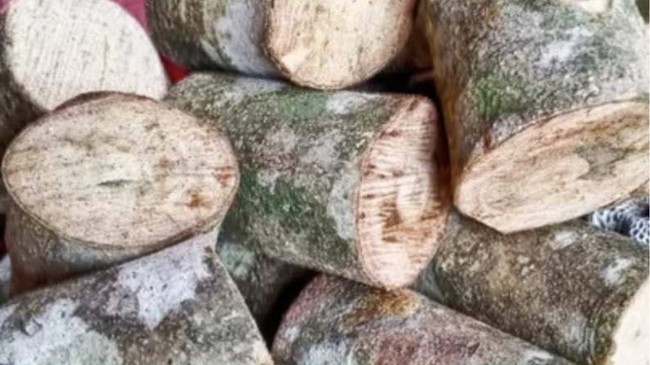
The land of Papua is rich in diverse flora with many benefits and high value. One of these is the medicinal plant snakewood, scientifically known as Strychnos ligustrina.
Known to indigenous communities as a natural remedy for various diseases, this wood is now beginning to attract the attention of international herbal markets in countries across ASEAN, Africa, Europe and the Middle East.
For generations, Papuan communities have used snakewood to treat malaria, diabetes, high blood pressure, asthma, and even skin infections and eczema. Typically, the bark is boiled and drunk like tea, despite its rather strong bitter taste. Active compounds such as alkaloids, flavonoids and saponins provide pharmacological effects as anti-inflammatory, antimicrobial and natural antioxidant agents.
The plant grows wild in tropical forests, especially in lowlands at altitudes of 0–500 metres above sea level. Snakewood is known for its resilience, able to survive in barren soil, rocky areas and even coastal regions. Reaching heights of up to 15 metres with paired oval leaves, it is a hardy woody shrub that holds significant economic value.
Several scientific studies have reinforced the empirical claims about snakewood’s benefits. Research published in the Journal of Ethnopharmacology and Phytomedicine indicates that snakewood extract can suppress the activity of bacteria such as E. coli and Staphylococcus aureus. Moreover, active compounds in the plant have also been shown to have anticancer and antidiabetic effects and to strengthen the immune system. This makes snakewood highly promising as a base material for phytopharmaceuticals and herbal supplements.
To date, however, snakewood has not been managed commercially on a large scale. Production and collection remain traditional, relying on local communities who know where it grows in the forest. This presents both a challenge and an opportunity: if cultivated systematically, snakewood could become a leading Indonesian export commodity in the herbal sector.
Indonesia itself has more than 30,000 species of medicinal plants, and snakewood is one of the few that has been used in ethnic medicine for generations. Amid a global trend increasingly oriented towards plant-based medicine, snakewood could become ‘green gold’ from Papua, offering natural health solutions while opening economic opportunities for indigenous communities.
A fun fact: the name ‘snakewood’ is not because the tree is poisonous or a nesting place for snakes, but because it is believed to neutralise the venom of snake and insect bites. That is why local communities often use this wood as a herbal first aid when in the forest.