
Snakebite Death Is Gunungkidul’s First This Year
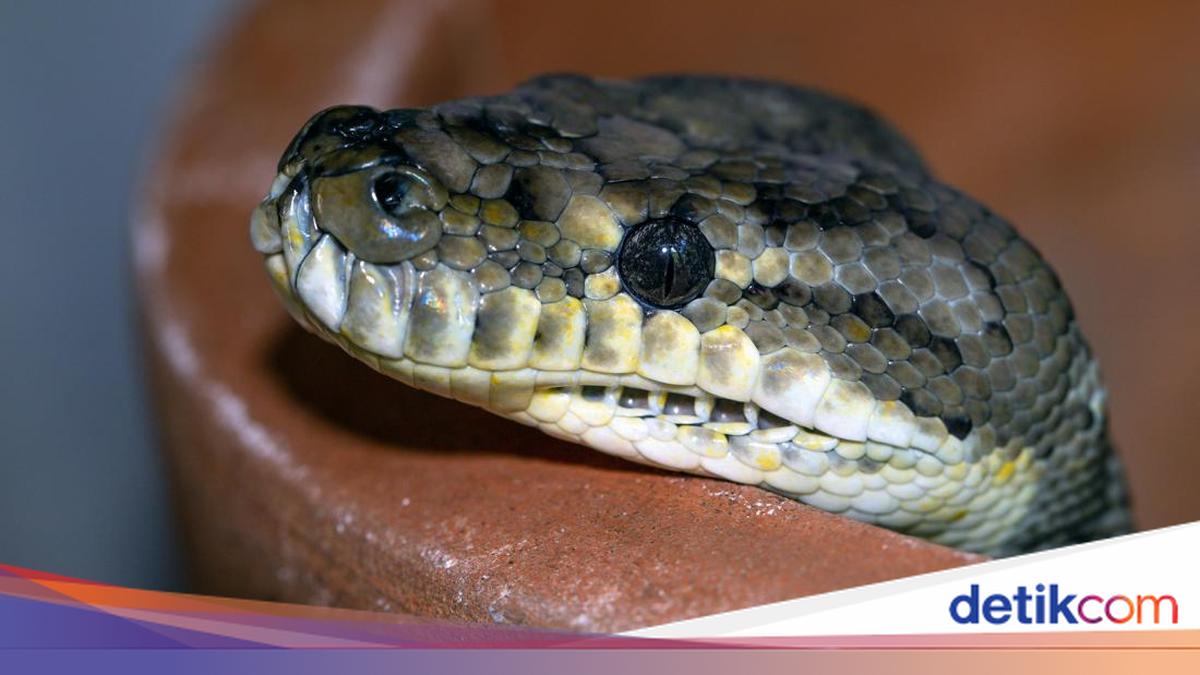
Gunungkidul Regency Health Agency said there had been 19 snakebite cases in the regency by November this year. One victim died after being bitten by a weling snake in Pengkol Village, Nglipar District.
“For 2026, as of now, there have been 19 cases of people bitten by snakes in Gunungkidul. One of them was fatal,” Gunungkidul Health Agency chief Ismono told detikJogja by phone on Tuesday (24 November 2026).
Ismono said the number of cases had increased compared with the previous year.
“There were 15 cases in 2025,” he said.
Ismono said the Health Agency had taken steps to prevent snakebites from resulting in deaths. These included strengthening coordination among healthcare facilities, programme teams and logistics staff in responding to zoonotic emergencies.
“As a further preventive measure, we are educating the public about identifying venomous snakes and providing emergency guidance, including going directly to a referral healthcare facility,” he said.
Harliyah, 46, a resident of Karangsari, Pengkol, Nglipar, died after being bitten by a weling snake at her home on Saturday night (21 November).
After the incident, Harliyah sought medical help at several places in Gedangsari and Patuk before being taken to Nurrohmah Hospital. As antivenom was unavailable there, she was referred to Wonosari Regional General Hospital and received treatment at about 00:20 on Sunday (22 November). She later died at 05:30.
Health centres do not have weling antivenom
Gunungkidul Regency Health Agency said community health centres did not stock antivenom for weling snakes. The specific antivenom has a short shelf life and must be imported.
“Specific antivenom, such as that for weling snakebites, is available only in limited quantities because it must be imported and specially procured by the Ministry of Health. It can therefore only be accessed at higher-level healthcare facilities such as hospitals. Community health centres cannot provide it,” Ismono told detikJogja by phone on Tuesday (24 November).
He said the antivenom had a relatively short expiry period. Weling snakebites were also rare.
“As well as having to be imported, it has a short expiry period and is expensive, at around Rp3 million to Rp4 million per vial. Keeping it in stock would therefore be inefficient,” he said.
Ismono advised anyone bitten by a snake, particularly a weling, to go straight to a hospital, preferably a public one.
“That is why anyone bitten by a weling snake must go directly to a referral facility, not a community health centre,” he said.
Private hospitals may not have a dedicated channel to the Health Agency or the Ministry of Health, which can delay orders for the antivenom.
“Sometimes private hospitals have to order it from the Health Agency and the central government, so it may not be available there either. The safest option is Wonosari Regional General Hospital, which has a dedicated channel to the Health Agency and the central government for specific antivenom,” he said.
Ismono said community health centres, particularly those offering inpatient care, and Wonosari Regional General Hospital stocked only non-specific antivenom.
“What is available is non-specific antivenom, for snakes such as cobras, ground snakes and other snakes apart from welings,” he said.
Meanwhile, Gunungkidul Regional House of Representatives Speaker Endang Sri Sumiyartini said she was aware of the case. She urged healthcare facilities to prepare antivenom to treat bites from venomous snakes.
“The government must ensure antivenom is available at healthcare facilities. This is necessary to prepare for snakebite cases, particularly those that could lead to death,” she said.
Source: jawawa.id (https://jawawa.id/newsitem/snakebite-death-is-gunungkiduls-first-this-year-1795513901)
Originally published by detikJogja (https://www.detik.com/jogja/berita/d-8767706/gigitan-ular-weling-tewaskan-warga-jadi-kasus-pertama-di-gunungkidul-tahun-ini), translated from Indonesian