
Smartphones Being Abandoned, Their Replacement Selling Briskly in America
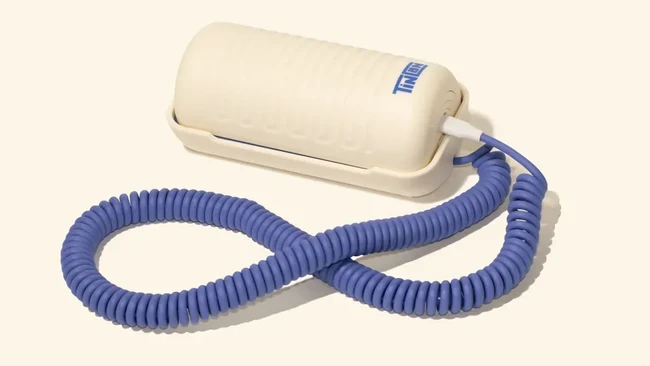
A new trend is emerging among parents in the United States and Canada. They are beginning to abandon smartphones such as iPhones and Android devices for their children, switching instead to a simple screenless device called Tin Can.
This home phone-style gadget has already sold hundreds of thousands of units since its launch in April 2025.
Tin Can is specifically designed for children with an analogue concept without a screen. The device only allows voice communication, without apps, without text messages, and without internet access that could potentially cause distractions.
Quoting TomsGuide, this strategy has made Tin Can quickly popular through word-of-mouth among families in the United States and Canada.
The Seattle-based manufacturer emphasises that the device only provides parental controls. Through a companion app on a smartphone, parents can determine who is allowed to call, set communication hours, and activate the Do Not Disturb feature.
In terms of features, users can make unlimited calls to other Tin Can owners as well as emergency 911 calls for free via the Can 2 Can package.
The company also offers a paid ‘Party Line’ package for US$9.99 per month, which allows children to contact approved regular mobile numbers, including parents’ numbers.
The device is sold for US$100 per unit and is available in several colour options. Tin Can uses a WiFi connection and simply needs to be plugged into a household electrical outlet, rather than a conventional telephone line.
High demand has caused the first five waves of initial sales to sell out immediately. The latest batch is scheduled to begin shipping in June 2026. The company is also preparing to expand to other markets, including the UK, in the near future.
However, Tin Can CEO Chet Kittleson says the company is still focused on meeting demand at present. According to him, the company wants to ensure that every customer gets the maximum experience from the screenless child communication device.