
Smartphones Begin to Be Abandoned in 2026, Replacements Eagerly Embraced
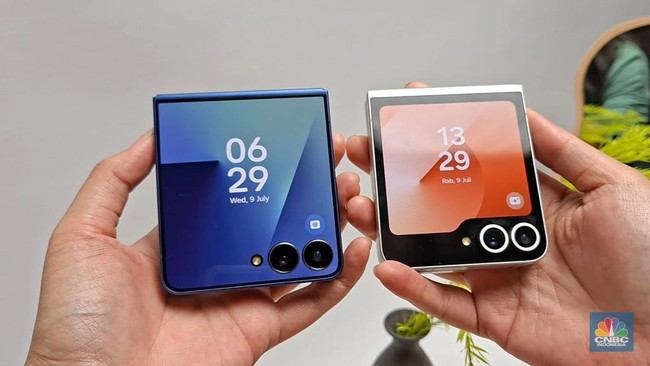
Smartphones, which have served as the primary device for the public for over a decade, are beginning to face new challenges in 2026. Conventional smartphones are expected to start losing their appeal by 2026.
The market research firm International Data Corporation (IDC) projects that the global smartphone market could potentially experience a decline, alongside lengthening device replacement cycles and an increase in average selling prices. Analysts reported by the Financial Times suggest that component prices are predicted to rise significantly, causing retail prices to surge by up to 20%.
Amidst uncertain global economic conditions, an increase in electronic device prices without a corresponding increase in quality could lead to a decline in consumer interest. In its recent projections, IDC identified a risk of a 5% decline in the global smartphone market in a pessimistic scenario for 2026, alongside rising average selling prices and longer replacement cycles.
More specifically, an IDC report dated 9 December 2025 stated that conventional non-foldable smartphones will experience a 1.4% decline in shipments in 2026.
Foldable phones are becoming increasingly popular. At the same time, more innovative foldable phones are predicted to grow significantly, reaching 29.7% in 2026, according to the official IDC website.
This growth is driven by the long-awaited emergence of the first foldable iPhone, as well as the arrival of the Samsung Galaxy Z TriFold, which marks further innovation through a tri-fold design. “2026 will be an exciting year for the foldable phone category, with annual growth projected at almost 30%, compared to the 6% benchmark in previous projections,” said Nabila Popal, Senior Research Director at IDC.
“Samsung will start 2026 with the Galaxy Z TriFold, introducing the tri-fold phone to the global mainstream market, building on the success of the Galaxy Z Fold7 in 2025. Huawei’s foldable phones with the HarmonyOS Next operating system will also show strong growth, with shipments predicted to nearly double in 2026. However, the game-changer for the foldable category will emerge in late 2026 when Apple enters this sector,” she added.
Francisco Jeronimo, VP for Client Devices at IDC, stated that Apple’s first foldable phone will mark a new chapter for the foldable segment. “Apple’s move will drive interest in the foldable category. Apple tends to act as a catalyst for the adoption of new product categories in the mainstream market. Although foldables will remain a niche segment from a volume perspective, they will be a relevant value driver for most vendors offering them, as their average selling price will be three times higher than standard phones,” he noted.
Consumer behaviour in 2026, which tends towards using phones for longer periods, is making replacement cycles increasingly difficult for manufacturers. Consequently, foldable phones become vital for an industry that has reached a saturation point and requires meaningful innovation to motivate upgrades and drive value.
The foldable category is expected to grow at a CAGR of 17% until 2029, compared to less than 1% for the conventional phone segment.
Furthermore, IDC reported that in 2026, the operating system dominating the foldable market will be Android at 61%. This will be followed by Apple at 22% and HarmonyOS Next at 17%.
It should be noted that these projections are subject to change based on market dynamics.