
Sleep myths that experts say should be dispelled for the next generation
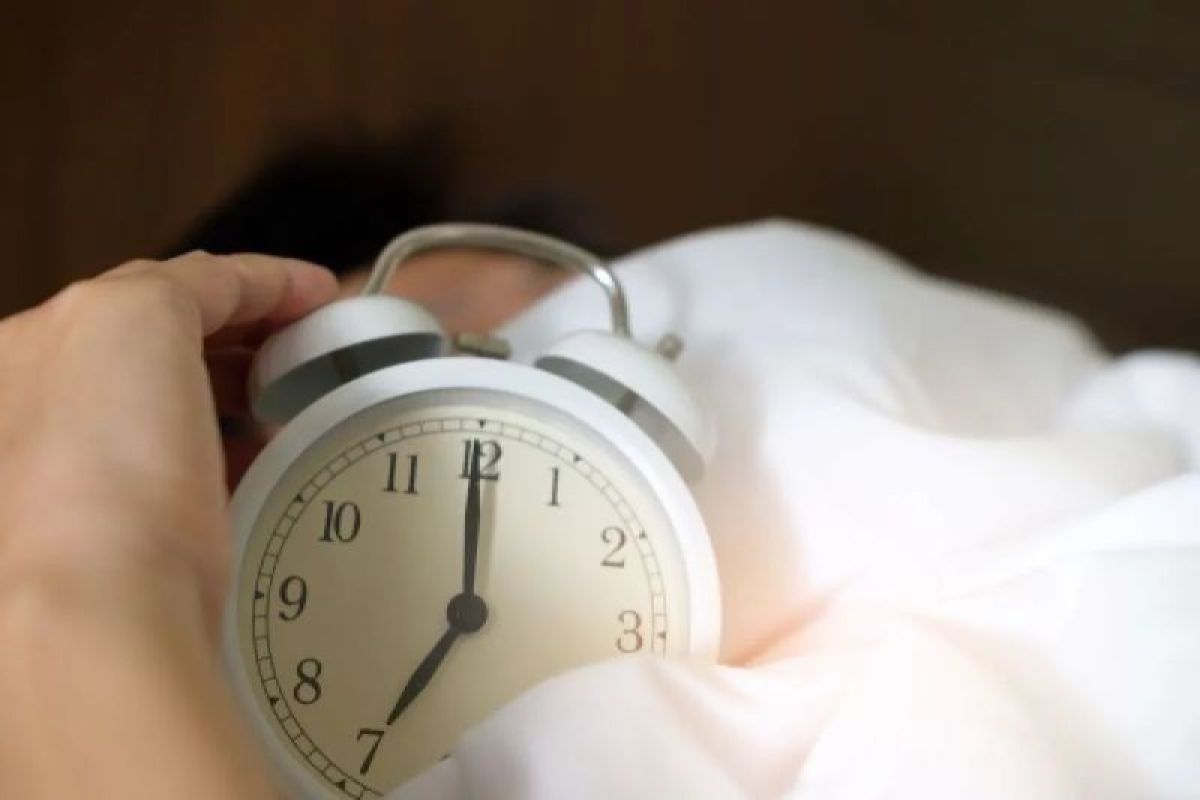
Jakarta (ANTARA) - Waking in the middle of the night can be caused by various factors, including anxiety, excitement about starting an activity or fear of something.
When looking for answers, people naturally ask questions and seek information to address the problem. Doctors say, however, that several myths should be dispelled because they are not supported by scientific evidence.
The five myths, as reported by Eating Well on Wednesday (25 November) local time, are as follows.
Accepting poor sleep as a normal part of ageing
Difficulty sleeping is often believed to be part of getting older. Matthew T. Scharf, MD, a sleep medicine and neurology specialist, says that sleep patterns naturally change with age.
In many cases, however, poor sleep quality in older adults is actually caused by treatable conditions such as obstructive sleep apnoea. Other contributing factors include medication, inadequately treated medical conditions and stress.
Sleeping for longer can make the body feel more refreshed. Unfortunately, it may not make up for consistently missing out on sleep throughout the week.
Jessica Shepherd, a board-certified obstetrician and gynaecologist, recommends focusing on habits that support consistently restorative sleep throughout the week.
Exercising at night disrupts sleep
A common myth holds that exercising at night disrupts sleep. Chris Winter, MD, a sleep medicine and neurology specialist, rejects this, saying regular exercise can help people fall asleep faster and sleep more soundly, while reducing stress and improving mood.
If late-night exercise makes you feel restless, move more strenuous sessions to earlier in the day. Research suggests that evening exercise may not disrupt sleep in healthy young and middle-aged adults who already sleep well.
However, high-intensity exercise may reduce the proportion of REM sleep.
Smart devices provide a complete picture of sleep
Smart devices such as watches and rings are often relied upon for insights into health. Scharf says they have limitations when it comes to providing detailed information about sleep.
Most devices are fairly accurate at distinguishing sleep from wakefulness, but the accuracy of other measurements, such as sleep stages, is more questionable.
He therefore recommends assessing tracker data alongside how a person actually feels, and discussing persistent daytime sleepiness or restlessness with a doctor.
Going to bed earlier is better
Going to bed early and waking later in the morning is often considered part of a healthy lifestyle.
But Scharf says natural sleep and wake times are strongly influenced by the internal body clock. For people who tend to follow a later sleep schedule, trying to force an excessively early bedtime can be counterproductive and frustrating.
More important than going to bed at a particular time is getting enough good-quality, restorative sleep.
Source: jawawa.id (https://jawawa.id/newsitem/sleep-myths-that-experts-say-should-be-dispelled-for-the-next-generation-1795686780)
Originally published by Antara (Indonesian) (https://www.antaranews.com/berita/5880211/mitos-tidur-yang-perlu-dipatahkan-ke-generasi-selanjutnya-menurut-ahli), translated from Indonesian