
Skyrocketing Energy Prices Prompt Philippine Neighbour of Indonesia to Cut Taxes on LPG and Kerosene
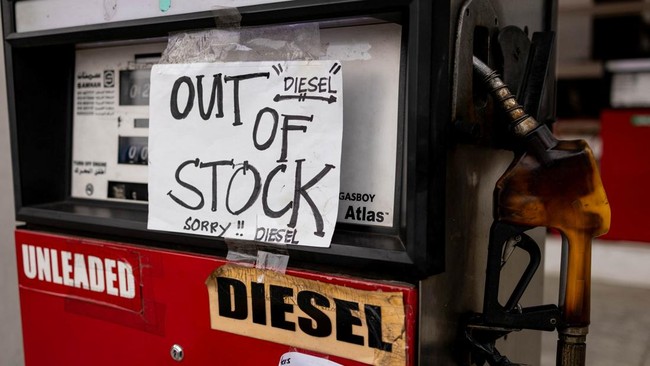
The Philippine government has begun taking concrete steps to curb the surge in energy prices burdening its citizens, following the widening impact of geopolitical conflicts in the Middle East.
President Ferdinand Marcos Jr. on Monday (13/4/2026) announced cuts to excise taxes on household fuels such as LPG and kerosene, in response to the price shocks triggered by the war between the United States and Israel against Iran.
In a press conference, Marcos expressed his disappointment at the failure of diplomatic channels between Washington and Tehran.
“We had hoped for a positive outcome from the US-Iran peace negotiations, but it seems they could not reach an agreement, which is why we will continue to assist our people,” he said, as reported by AFP.
He emphasised that the government would continue to protect citizens from the direct impact of rising energy prices.
“We have reduced taxes on petroleum products that are used directly by our people in their daily lives,” Marcos stated.
This step was taken after parliament previously passed a law granting the president authority to adjust fuel excise taxes. Under the new policy, the price of LPG, the primary cooking fuel in the Philippines, will be reduced by 3.36 pesos or nearly Rp1,000 per kilogram starting Tuesday.
Meanwhile, the price of kerosene, widely used by low-income families, will drop by 5.60 pesos or about Rp1,500 per litre.
The measures do not stop there; Marcos also indicated the possibility of broader interventions in the energy sector. He said he would hold a government crisis committee meeting on Tuesday to discuss potential adjustments to excise taxes on petrol and diesel, the main fuels for public transport.
The Philippines itself is heavily reliant on energy imports. The country sources crude oil from the Middle East region and imports refined petroleum products from refineries in Asia that also depend on oil shipments through the Strait of Hormuz, a vital route now effectively closed by Iran.
The impact on domestic prices has been significant. Diesel prices have reportedly more than doubled since the war began, reaching around 145 pesos or approximately Rp41,000 per litre.
The pressure is not confined to the energy sector but is beginning to spread to staple needs. The government released inflation data last week showing that food prices in March rose nearly twice as fast as the previous month, indicating that the effects of the global conflict are now being felt directly in households.
Source: jawawa.id (https://jawawa.id/newsitem/skyrocketing-energy-prices-prompt-philippine-neighbour-of-indonesia-to-cut-taxes-on-lpg-and-kerosene-1776077540)
Originally published by CNBC Indonesia (https://www.cnbcindonesia.com/news/20260413163349-4-726361/harga-energi-menggila-tetangga-ri-pangkas-pajak-lpg-dan-minyak-tanah), translated from Indonesian