
Six Times Exceeding Environmental Compliance Standards
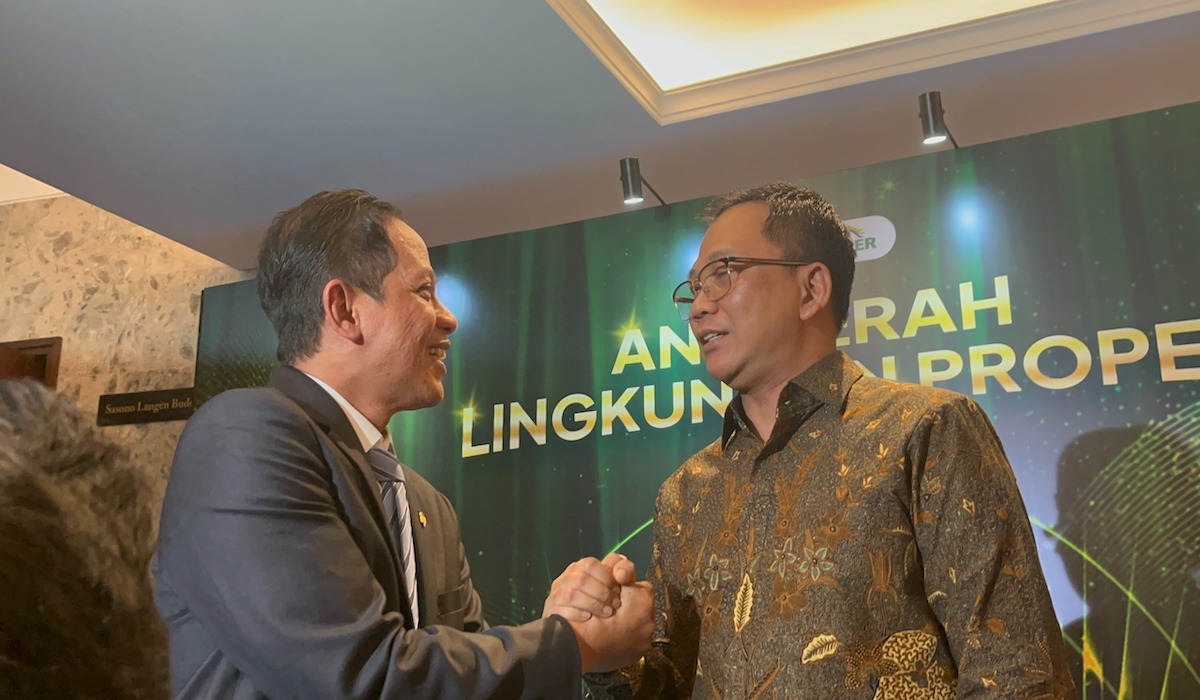
The government faces a policy dilemma with no truly comfortable options. PT Jababeka Infrastruktur has once again secured the PROPER Green rating in the 2026 Environmental Awards. This achievement marks the sixth time for the company, positioning it as the sole industrial zone to attain the green ranking this year. The award from the Ministry of Environment and Forestry/Environmental Control Agency (KLHK/BPLH) serves as an indicator that the company is assessed as exceeding environmental compliance standards. In the PROPER scheme, the green ranking is bestowed upon entities that not only meet regulations but also implement resource efficiency, environmental management systems, and community empowerment programmes. Managing Director Didik Purbadi views this accomplishment as a result of increasingly stringent standards. He states that the company’s internal efforts do not stop at basic compliance. “Government standards are getting stricter, and we see it as motivation. Our team has worked hard throughout the year not just to meet but to exceed the set standards,” he said, quoted on Wednesday (8/4). “These six PROPER Green awards reflect the synergy of all stakeholders in the Jababeka ecosystem that sustainability is not merely an obligation but a legacy we wish to leave for future generations. Moving forward, through a pentahelix approach involving government, academics, communities, and media, we will continue to encourage all companies in this zone to always be compliant and even exceed existing standards,” he added. Several programmes formed the basis of the assessment, including the operation of a wastewater treatment plant (WWTP) that maintains effluent quality in accordance with environmental quality standards. Additionally, the company develops the reuse of treated water for non-potable needs and applies energy efficiency to control emissions. Waste management based on a circular economy is also part of the environmental strategy implemented. Beyond technical aspects, the company runs social programmes such as women’s empowerment, food security, and improvements in access to clean water and sanitation. These programmes target areas around the industrial zone, covering 14 villages and four sub-districts, impacting thousands of workers and tens of thousands of residents. All these initiatives are claimed to be carried out through a collaborative approach involving various parties, from government to communities.