
Six Reasons Your Teeth Aren't as White as They Used to Be, According to a Dentist
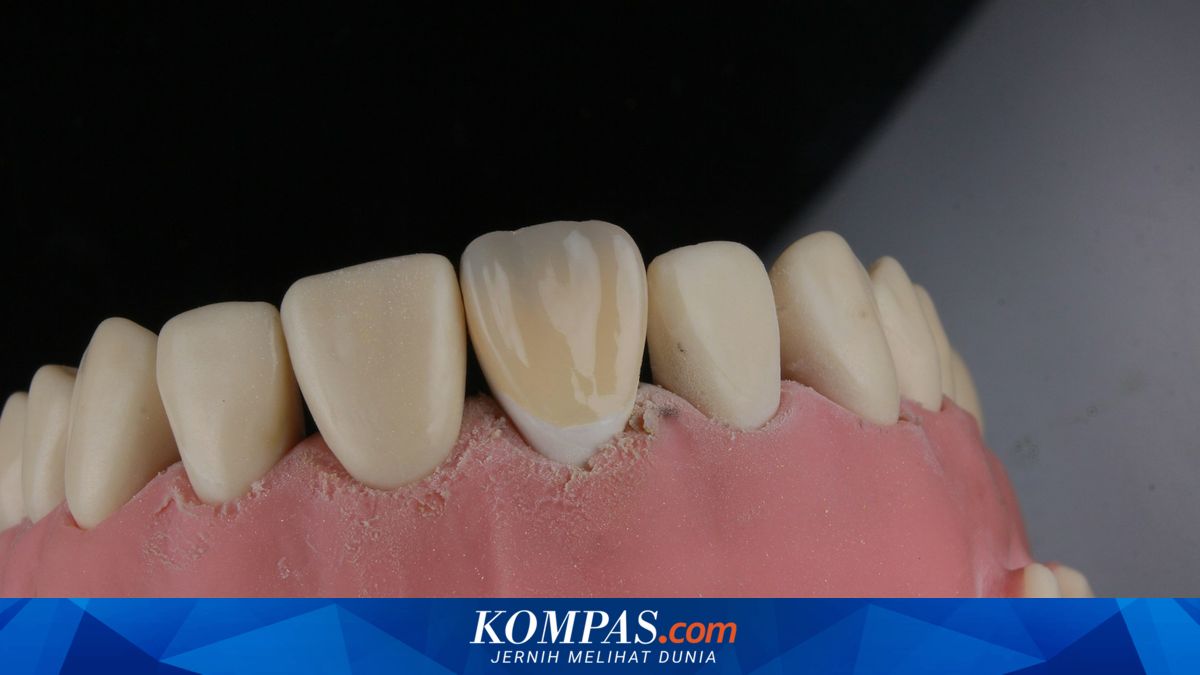
KOMPAS.com - Teeth that once looked bright can gradually appear duller or yellowish, even if you brush twice a day. Changes in tooth colour are not always caused by poor oral hygiene. There are many everyday habits that, without us realising, accelerate enamel thinning, cause stains, and make the natural yellowing of the dentine more apparent. Dentist and founder of California Breath Clinics, Dr Harold Katz, explains that enamel is the primary protective layer of the teeth. “What is often disappointing is that many commercial mouthwashes are highly acidic and, if used too frequently, can damage the valuable enamel of the teeth,” he said, as cited by Prevention, Wednesday 20 May 2026. Saliva actually functions as the natural protector of the teeth. This fluid helps neutralise acids in the mouth and cleans the surface of the teeth from bacteria and food particles. When certain mouthwashes are used too frequently, this natural balance can be disrupted. “A dry mouth is one of the most serious conditions for teeth because saliva helps maintain pH balance,” said Dr. Katz. If the enamel starts to thin due to exposure to acidic substances, the yellowish dentine layer becomes more visible from the outside. This is what makes teeth look dull even when they appear clean. Acids work by softening the surface of the teeth. If this occurs repeatedly, the enamel gradually wears away and makes the natural colour of the dentine more visible. Dr. Katz suggests that after consuming acidic foods, you should drink water to help neutralise the mouth. This simple step can reduce acid exposure and help rinse away pigments that cling to the teeth. “Sipping two to three cups of coffee a day keeps enamel in constant contact with staining pigments,” said dentist Dr Katia Friedman.