
Six Nations That Were Once Part of Historic Indonesian Kingdoms: Their Fates Today
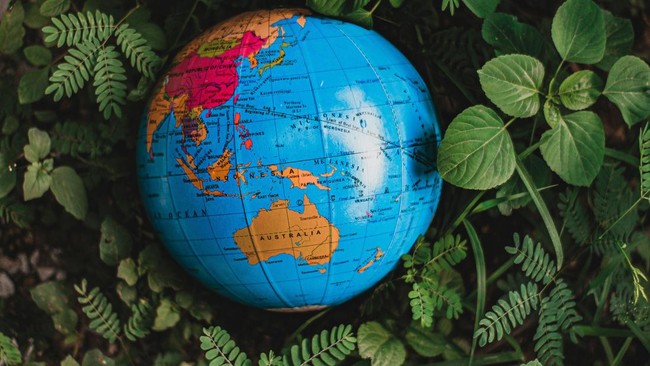
Hundreds of years ago, the archipelago was home to great kingdoms whose influence extended across Southeast Asia, with neighbouring countries forming parts of these Indonesian empires.
These great kingdoms, originating from islands throughout Indonesia, fostered the rich and diverse cultures that characterise modern Indonesia. Over time, neighbouring nations that had been incorporated into Indonesian kingdoms eventually gained independence. Several have become prosperous global economies.
The following six nations were once territories of Indonesian kingdoms:
Singapore
Singapore, formerly known as Temasek, Tumasik, or Kota Laut (Sea Town), was controlled by several kingdoms, from Sriwijaya until the end of the 13th century, then Majapahit until the 14th century. It also came under the control of the Ayutthaya Kingdom in Thailand during the 15th century and the Malacca Sultanate until Portuguese occupation in 1511. According to the journal Lektur Keagamaan in an article titled Tumasik: Early Islamic History in Singapore (1200–1511), Singapore was strategically positioned as a major trading centre.
Malaysia
Historians note that Sriwijaya controlled Malaysia during the reign of Raja Balaputradewa. This massive maritime kingdom served as the principal centre for trade and religious dissemination across its vast territories. Consequently, Sriwijaya was often referred to as the Nusantara of antiquity.
The Philippines
The Philippines was conquered by Majapahit during the reign of Raja Hayam Wuruk. The king and his prime minister Gadjah Mada sought to build a great empire. Majapahit’s domain of influence was extensive, spanning from Indonesia through the Malay Peninsula to the Philippines.
Cambodia
In addition to Singapore and Malaysia, Sriwijaya also conquered Cambodia. Records of this are documented in accounts from a monk named I Tzing who visited Sriwijaya. Sriwijaya benefited from its expansive and strategic territory, gaining access to natural products and economic resources including camphor, agarwood, cloves, sandalwood, nutmeg, and cardamom for trade.
Timor-Leste (East Timor)
Timor-Leste was once part of Indonesia. In 1975, Indonesia launched an invasion of the territory, which had been under Portuguese colonial rule since the 16th century. A year later, the territory, formerly called East Timor, officially became Indonesia’s 27th province. However, the population of East Timor sought independence from Indonesia. In 1999, President BJ Habibie held a referendum, which was won by pro-independence groups. This resulted in East Timor’s separation from Indonesia. The territory became an independent nation and adopted the name Timor-Leste.
Brunei Darussalam
Sriwijaya also ruled this small nation. According to reports from indonesia.go.id, several settlements in Brunei Bay were called Vijayanegara. The name Brunei also appears in the Negarakertagama, an epic poem written by the Majapahit court in 1365. Majapahit is documented as having controlled the region referred to as Buruneng, which occurred after Chief Minister Gadjah Mada undertook his celebrated Palapa Oath to expand the empire.
Source: jawawa.id (https://jawawa.id/newsitem/six-nations-that-were-once-part-of-historic-indonesian-kingdoms-their-fates-today-1780366860)
Originally published by CNBC Indonesia (https://www.cnbcindonesia.com/lifestyle/20260524083501-33-737527/6-negara-ini-pernah-jadi-bagian-indonesia-begini-nasibnya-kini), translated from Indonesian