
Six Blood Donation Myths That Are Nothing but Hot Air
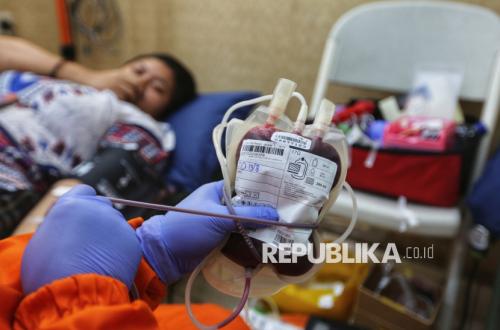
Blood donation activities are still often shrouded in various stigmas, misunderstandings, and myths passed down by word of mouth. Fear of needles may be a humane reason, but refusing to become a donor purely because of a wrong perception is a huge loss for the global health ecosystem. Many people who actually have healthy bodies and meet the medical requirements end up cancelling their intention to donate. The main reason is the prejudice that this act could harm their personal health or the assumption that their small contribution will not make a meaningful difference.
Transfusion medicine consultant from PD Hinduja Hospital and Medical Research Centre, Mahim, India, Dr Anand Deshpande, dissected and debunked six myths that most often make people hesitant to donate their blood:
- One bag of blood will not make a big difference
We often feel that a small individual contribution will be lost in the vast sea of need. This kind of thinking is a major challenge for the availability of national blood stocks in many countries. Dr Deshpande stressed that this view is completely untrue. In a country with a large population, the annual blood requirement ranges from 12 to 13 million units. Ironically, this figure still often experiences a deficit or shortage of at least 100,000 to 150,000 units each year. “So, one should not say that their one unit of blood will not make a difference. That one bag is very meaningful,” he said.
The medical aspect of modern blood processing makes a single donation highly significant. Every time someone donates blood, the fluid is not directly given whole to one person. The blood will be separated into three main components, namely red blood cells (erythrocytes), plasma, and platelets (thrombocytes). These three components will later be distributed to three different patients according to their medical needs. In other words, one small decision in the donor room has the direct power to sustain three lives at once.
- Only people with rare blood types are truly needed
Another misunderstanding that often develops is the assumption that blood donor centres only need people with rare blood types such as AB negative or Rhesus negative. People with common blood types like B positive or O positive often feel that their stock is already abundant, so their presence is not really necessary. According to Dr Deshpande, if a blood type is very common in society, then automatically the number of patients needing that blood type will be equally high. “If you look at it, common blood types like B positive and O positive are very frequently encountered. If you have more donors of that type, naturally you will also have more patients of the same type,” he said. Therefore, the need for common blood types is actually at the highest level and requires a stable supply every day.
- A vegetarian or a thin person cannot donate
There is a mistaken belief that those who do not consume meat or have a slender body posture do not have good enough blood quality to be donated. The eligibility parameters of a donor are actually not determined by dietary preference, whether a person is vegetarian or non-vegetarian. The standards used in the medical world are based on objective clinical indicators. He stated that anyone can be a donor as long as they meet the basic safety criteria. The main requirements are a good haemoglobin (Hb) level, sufficient body weight (at least above 45 kilograms), and not currently suffering from a major clinical disease or chronic infection. If these indicators are within normal limits, the body’s metabolic system will be able to reproduce blood cells very well, regardless of the type of daily food consumed.