
Situbondo Regent Sees Anyer–Panarukan Route as an Economic Engine
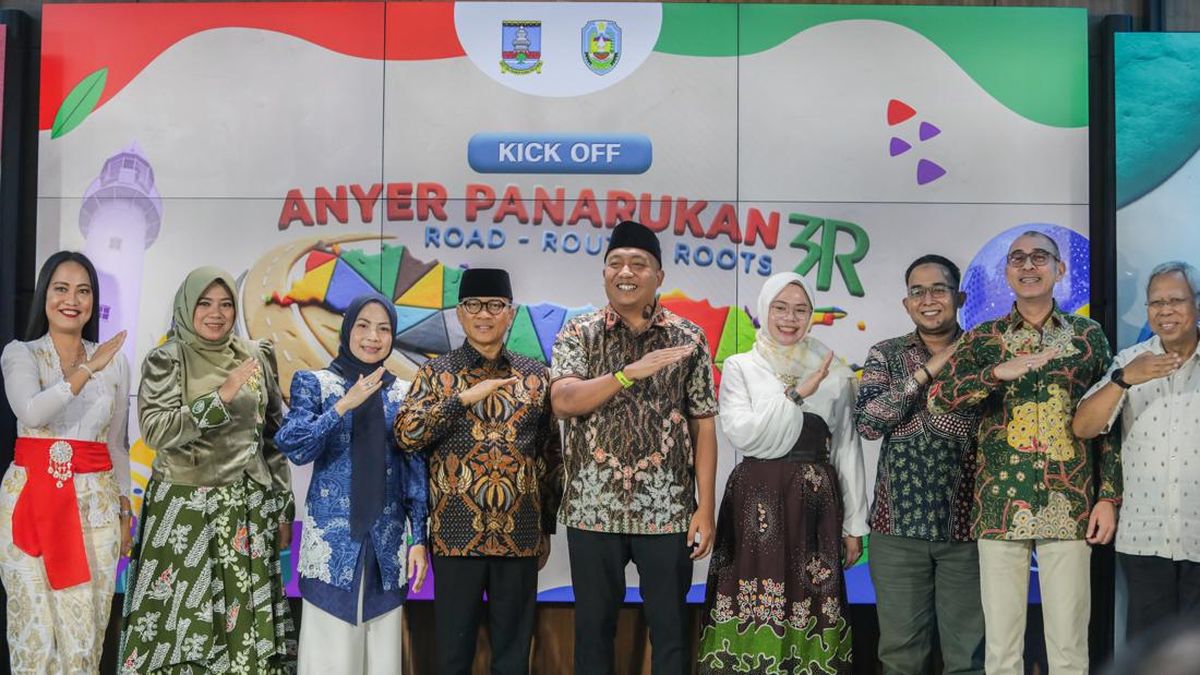
Situbondo Regent Yusuf Rio Wahyu Prayogo is eyeing the historic Anyer–Panarukan route as a driver of regional economic growth. Through the Anyer–Panarukan 3R initiative—Road, Route, Roots—Rio wants the historical heritage stretching from Banten to East Java to develop into a corridor for tourism, culture and community economic empowerment.
The idea was raised at the Anyer–Panarukan 3R kick-off in South Jakarta on Sunday (11 October). Rio said the route, built during the colonial period, should not be seen solely as a historical relic, but also as an asset that can be used to promote sustainable regional development.
“From the outset, we have thought that Situbondo and Serang have historical assets that can act as catalysts for regional development,” he said.
Rio said the potential of the Anyer–Panarukan route extended beyond the administrative boundaries of Situbondo and Serang regencies. Stretching from the western coast to the eastern end of Java, the route passes through various areas rich in history, culture, tourism and community economic resources.
Its development therefore requires collaboration across regions, so that the benefits go beyond preserving buildings or historical markers. Tourism potential and economic activity along the route need to be connected to create business opportunities, broaden markets for local products and increase people’s incomes.
“The hope is that Anyer–Panarukan will not merely be a historical artefact, but that we can harness it as a kind of engine for economic growth. This is not just in the interests of Serang and Situbondo regencies. It is in Indonesia’s interests,” he added.
Under the 3R concept, development of Anyer–Panarukan is focused on three interconnected aspects. Road represents the physical route and its historical value; Route emphasises the development of a travel corridor and tourist destinations; while Roots highlights the history, culture and identity of communities along the route.
For Situbondo, the initiative offers an opportunity to link its historical heritage with the development of destinations and local economic activity. The strengthening of tourism is expected to go hand in hand with community empowerment, including enabling local businesses to participate in the tourism economy.
Rio stressed, however, that the potential could not be developed by the two regency governments leading the initiative alone. Support from central government, other regional administrations, the banking sector, media, businesses and communities is needed to develop Anyer–Panarukan as an interconnected economic corridor.
Minister of Villages and Development of Disadvantaged Regions Yandri Susanto also called for the Anyer–Panarukan Festival to become an annual event capable of stimulating village economies and showcasing tourism potential along the route.
Yandri said the thousands of villages along the Anyer–Panarukan route had varied potential, from agriculture and fisheries to coastal villages, tourism and leading products that could find international markets.
“Once again, we want to point out that Anyer–Panarukan passes through thousands of villages and many historic cities. We must not allow these strengths to be overlooked just because only two regencies are promoting them,” Yandri said in his address at the event.
He hopes regency, city and village governments along the route will be involved in the initiative. Yandri said the Ministry of Villages and Development of Disadvantaged Regions was ready to provide support through thematic village, fishing village, tourism village and export village programmes, as well as by expanding networks with the private sector, state-owned enterprises and overseas partners.
Yandri also stressed that developing economic potential must go hand in hand with preserving historical memory. The Anyer–Panarukan route has a dark history, as its construction was associated with forced labour during the colonial period. Recognising this history is important to ensure that the legacy of the past is used to create a better life for local communities.
Meanwhile, Serang Regent Ratu Rachmatuzakiyah hopes Anyer–Panarukan can be developed as an integrated destination linking historical, natural, educational and religious tourism. She said Anyer already offers a range of tourism options that could be developed as part of a single itinerary.
“We want Anyer–Panarukan to become an integrated whole in the future, bringing together tourist, historical and natural destinations,” Ratu said.
She said local community involvement was essential to destination development so that people could directly benefit economically, both through livelihood opportunities and higher incomes.
“Of course, this requires collaboration with various parties, including the Banten provincial government and, later, the Situbondo regency government, so that tourism, religious and historical destinations can be integrated,” she said.
Ultimately, developing the Anyer–Panarukan route will require sustained programmes and cooperation across regions. By connecting historical heritage, tourist destinations, village potential and local flagship products, the 3R initiative is expected to offer a way to unlock economic opportunities along the route.
For Situbondo, the initiative is an opportunity to treat history not only as a record of the past, but also as part of a development strategy that creates economic opportunities for the community.
Source: jawawa.id (https://jawawa.id/newsitem/situbondo-regent-sees-anyer-panarukan-route-as-an-economic-engine-1791791593)
Originally published by CNN Indonesia (https://www.cnnindonesia.com/nasional/20261012131956-25-1414374/bupati-situbondo-bidik-jalur-anyer-panarukan-jadi-motor-ekonomi), translated from Indonesian