
Situbondo optimistic rice production will reach 500,000 tonnes this year
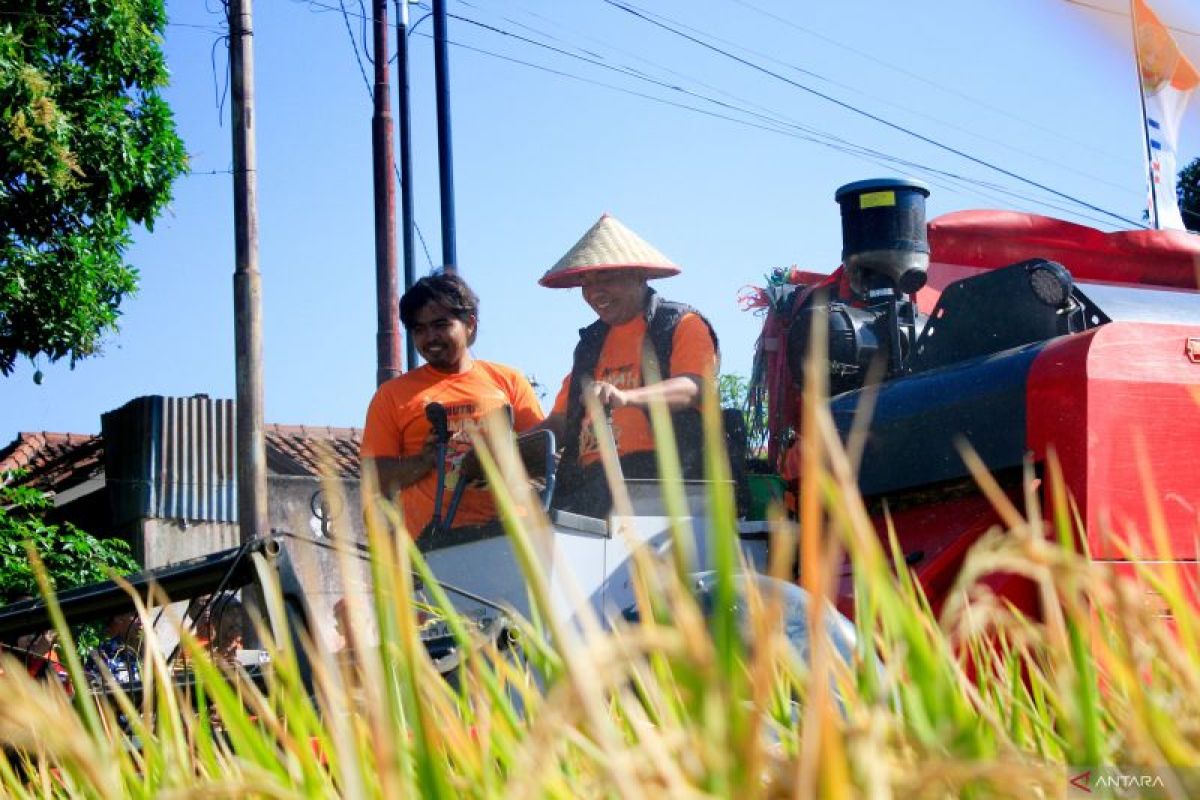
Situbondo Regency, East Java, is optimistic that rice productivity this year can reach 500,000 tonnes of dry unhusked grain (GKP), surpassing the initial target of around 321,000 tonnes, thanks to an innovation in liquid organic fertiliser derived from household waste. Regent Yusuf Rio Wahyu Prayogo stated that the utilisation of household waste such as fruit peels and vegetable scraps is being carried out by a waste-conscious community that also farms. “We have seen together a rice harvest that serves as a pilot using liquid organic fertiliser from household waste, and the yield test results show production can reach 9.1 tonnes of grain per hectare. This is extraordinary compared to the previous 7.3 tonnes per hectare,” said Regent Rio after the harvest in the rice fields of Talkandang Village, Situbondo District, on Thursday. The regent expressed appreciation for the Situbondo waste-conscious community’s continuous innovation in producing liquid organic fertiliser from household waste, which has successfully increased rice crop productivity. He encouraged that this innovation in processing household waste into liquid organic fertiliser be developed and replicated by farmers in other sub-districts, as it not only increases harvest yields but also reduces production costs. The regent also requested that the waste-conscious community in Situbondo District promptly complete its permits to reach a wider market and provide benefits to more farmers. “We ask that this does not stop here. Complete the permits, collaborate with other communities, including campus communities, because it has been proven that production increased from 7.3 tonnes to 9.1 tonnes of grain per hectare,” he said. Meanwhile, Situbondo millennial farmer Purwanto stated he will continue conducting trials on his own land and community land to optimise the use of liquid organic fertiliser from household waste. “Initially, we tested from a production of 6 tonnes per hectare and have now reached 9.1 tonnes per hectare. We will now try again until production reaches 12 tonnes per hectare,” he said. Purwanto admitted he took the initiative to process household waste into liquid organic fertiliser because a lot of organic waste is discarded, and the high price of chemical fertilisers and farmers’ heavy dependence on them also motivated him. “Using liquid organic fertiliser from kitchen waste can save production costs by 30 percent. Other benefits include waste being managed, production costs being reduced due to cheap plant nutrition, and plants growing better,” he said.