
Single-Export Policy to Strengthen Indonesia's Bargaining Position in Global Commodity Trade
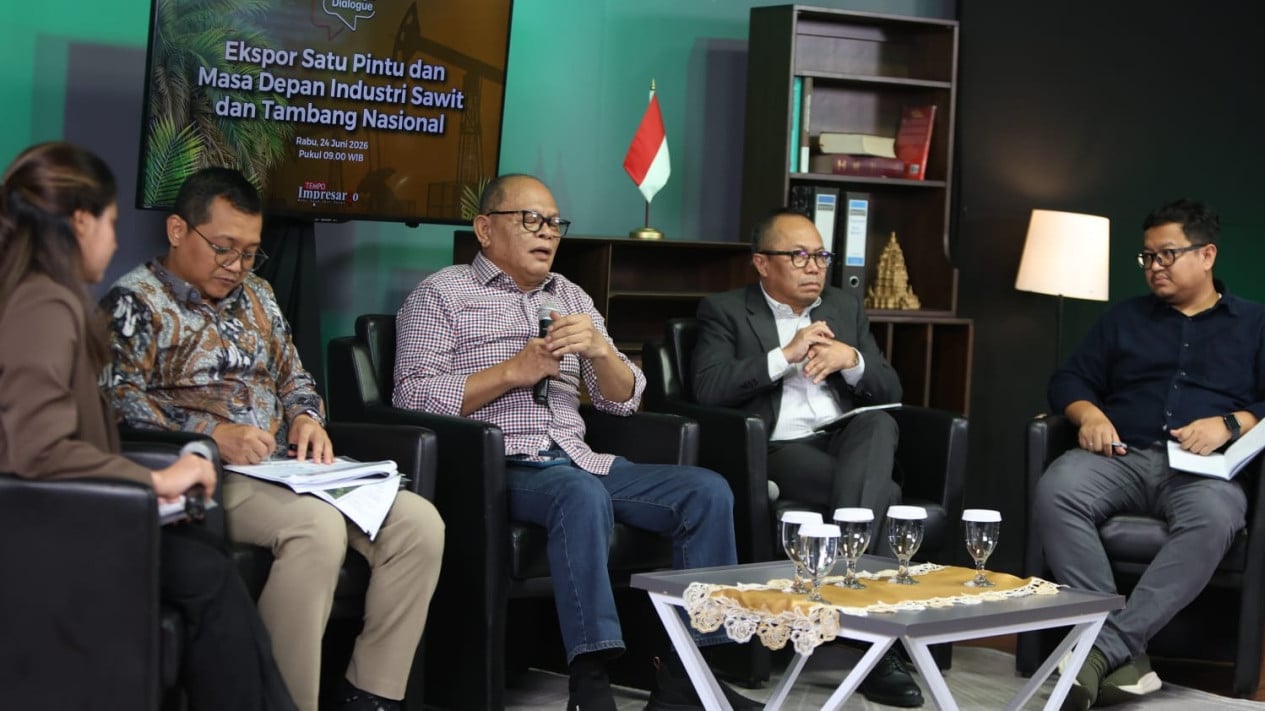
Reforming the governance of strategic commodity exports is a key government agenda to strengthen national economic competitiveness amid global trade dynamics. Deputy for Coordination of SOE Management and Business Development at the Coordinating Ministry for Economic Affairs, Ferry Irawan, stated that as a country with abundant natural resources, Indonesia holds a strategic position in international trade, particularly through the export of leading commodities such as crude palm oil (CPO) and its derivatives, coal, and metal products. He noted that the single-export policy is considered a strategic step to strengthen Indonesia’s bargaining position in global commodity trade, especially in the palm oil and mining sectors, which have been the backbone of national exports. “Strengthening export governance is part of the effort to create a more efficient and transparent trading system that provides greater added value for the national economy,” Ferry said in a statement on Thursday, 25 June 2026. Meanwhile, Executive Director of the Palm Oil Agribusiness Strategic Policy Institute (PASPI), Tungkot Sipayung, highlighted the fact that although Indonesia is the world’s largest palm oil producer, global palm oil price formation is still heavily influenced by trading hubs and commodity exchanges abroad. He argued that a more integrated export model could potentially strengthen Indonesia’s bargaining position in the international trade chain. “With better export consolidation, Indonesia will not only be the largest producer but also have the opportunity to increase its influence over global commodity price formation mechanisms,” Tungkot said. On the other hand, Director of Economics at the Center of Economic and Law Studies (CELIOS), Nailul Huda, cautioned that every policy must be carefully designed “to maintain a balance between increasing national competitiveness, business certainty, and a healthy investment climate.” A similar sentiment was expressed by the Chairman of the Indonesian Nickel Industry Forum (FINI), Arif Perdana Kusumah, who stressed the importance of ensuring that export policies support the national downstreaming agenda. “Strengthening control over the supply chain and trade of strategic commodities will enhance the competitiveness of national industries in the global market,” he said.