
Single-Door Export Policy Could Strengthen National Competitiveness and Attract Investment
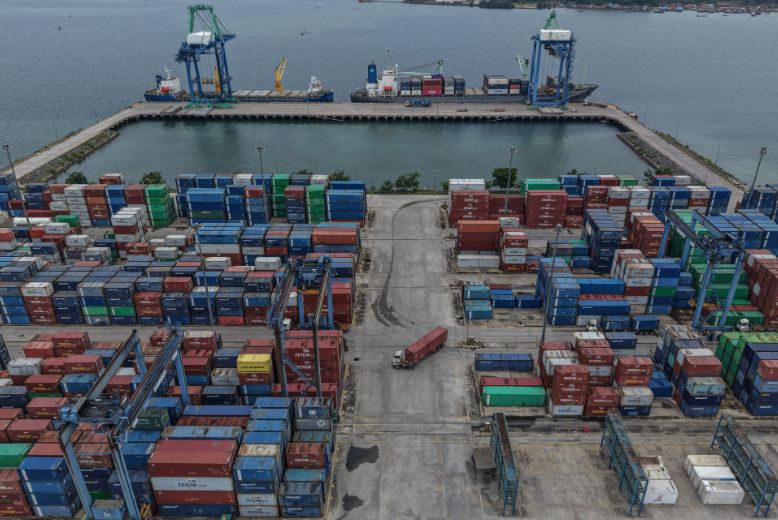
Efforts to strengthen Indonesia’s position in global commodity trade have resurfaced with the discourse on implementing a single-door export policy for national strategic commodities. This policy has the potential to increase Indonesia’s bargaining power in global price formation and enlarge the economic value added from leading sectors such as palm oil and mining. Amid increasingly competitive international trade dynamics, reforming export governance is considered a crucial step to strengthen national economic competitiveness.
Indonesia, as one of the world’s largest producers of various strategic commodities, still faces challenges in optimising its influence over global trade mechanisms. The idea was the main topic of discussion in a forum titled ‘Single-Door Exports and the Future of the National Palm Oil and Mining Industry’ on Wednesday (24/6/2026). The forum brought together government representatives, industry players, and economists to discuss opportunities for transforming Indonesia’s export governance.
Deputy for Coordination of State-Owned Enterprise Management and Development at the Coordinating Ministry for Economic Affairs, Ferry Irawan, stated that strengthening export governance is part of an effort to create a more efficient and transparent trading system that can provide greater economic benefits for Indonesia. According to him, improving the export system can be an important instrument to enhance the effectiveness of the national supply chain and strengthen the competitiveness of Indonesian products in the global market.
Meanwhile, Executive Director of the Palm Oil Agribusiness Strategic Policy Institute (PASPI), Tungkot Sipayung, assessed that Indonesia has a significant opportunity to increase its influence in the global palm oil trade through a more integrated export model. He highlighted the current situation where Indonesia, as the world’s largest palm oil producer, still sees the commodity’s price formation largely determined by trading hubs and commodity exchanges abroad. ‘With more consolidated export governance, Indonesia will not only act as the main supplier but also have the opportunity to strengthen its position in the global trade chain and influence the price formation mechanism,’ he said.
From the mining sector, Chairman of the Indonesian Nickel Industry Forum (FINI), Arif Perdana Kusumah, emphasised that export policy must align with the government’s ongoing downstreaming agenda. He argued that strengthening control over the strategic commodity supply chain would help improve the competitiveness of national industry while reinforcing Indonesia’s position as a key player in the global value chain.
On the other hand, Economics Director of the Center of Economic and Law Studies (Celios), Nailul Huda, reminded stakeholders of the importance of maintaining a balance between enhancing national competitiveness and ensuring business certainty. He assessed that any policy implemented must be able to create a healthy investment climate so as not to cause uncertainty for business actors and investors.
The panellists agreed that Indonesia has a great opportunity to move up the ranks in global commodity trade. However, the success of the single-door export policy will heavily depend on synergy between the government, industry players, financial institutions, and regulatory support capable of creating a more integrated trade ecosystem. If implemented effectively, the policy could not only potentially increase the value of national exports but also strengthen Indonesia’s position in global commodity price formation, accelerate industrial downstreaming, and create broader economic benefits for the public.