
Singapore on High Alert for Transboundary Haze Disaster from Indonesia
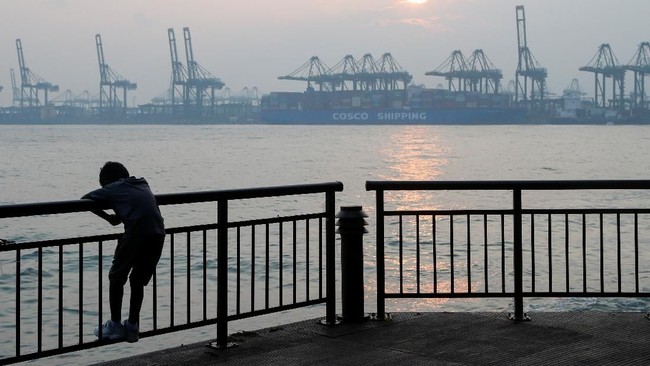
Singapore is increasingly wary of the potential return of transboundary haze, which is expected to threaten Southeast Asia in the second half of 2026. The concern follows a warning from the Singapore Institute of International Affairs (SIIA), which issued its highest risk status in its Haze Outlook 2026 report, predicting that August to September will be the most vulnerable period for forest and land fires.
SIIA Chairman Simon Tay stated that while the forecast of a more extreme dry season elevates the risk, it does not mean a haze disaster is inevitable. He stressed the importance of maintaining sustainable land management practices across the entire supply chain, including for small and medium enterprises facing economic pressures. “The challenge is to ensure that sustainable practices are maintained across the entire supply chain, including by small and medium enterprises that may be operating under tighter economic pressures,” he said.
The report assesses that Indonesia, Malaysia, Singapore, and Brunei could be affected by haze if the dry season is prolonged and intensified by the El Niño phenomenon. This is only the second time the report has issued the highest risk status since its inception in 2019, the first being in 2023 when haze blanketed Singapore due to a spike in hotspots in Sumatra. The transboundary haze largely originates from forest and peatland fires in the region.
The threat this year is attributed to a combination of factors. Besides the El Niño phenomenon, which is expected to bring hotter weather and lower rainfall, the report warns that rising global demand for biofuels may encourage some operators to clear land using cheaper but unsustainable burning methods. Additionally, pressure on the agricultural sector from rising energy and fertiliser costs could further increase the risk.
The report also highlights that Indonesia is facing its first high-risk dry season under the administration of President Prabowo Subianto. It notes that budgets for forest and land fire management within the Ministry of Forestry and several regional governments are under strain due to government spending efficiency policies. This raises concerns about the readiness of prevention and response efforts should the number of hotspots increase during the dry season.
According to SIIA, the 2026 dry season will be a crucial test for the region’s fire prevention systems and land governance. If mitigation measures are not implemented optimally, fires in forest and peatland areas could develop into a transboundary haze crisis, disrupting economic activity, transportation, and public health across Southeast Asia. The report notes that the newly inaugurated ASEAN Coordinating Centre for Transboundary Haze Pollution Control aims to strengthen policy coordination on haze mitigation and land management, complementing satellite monitoring data provided by the ASEAN Specialised Meteorological Centre in Singapore.
Historically, SIIA reminded that the region’s worst haze disasters occurred when El Niño coincided with a positive Indian Ocean Dipole (IOD) phase, as seen in 1997-1998, 2015, and 2023. For 2026, the institute cited data from the United States’ National Oceanic and Atmospheric Administration (NOAA) estimating a 63% chance of a strong El Niño. The report concluded that weather conditions for the remainder of 2026 could potentially be among the hottest and driest on record, increasing the risk of land fires spreading beyond control.