
Singapore Adopts Indonesia's QRIS Model, Seven Years Behind
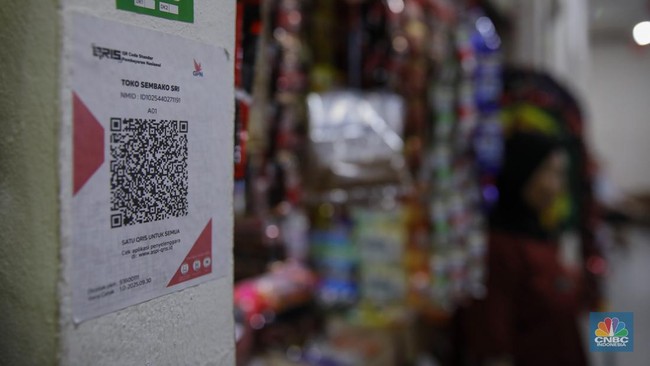
Singapore is taking a major step in developing its national digital payment system by adopting a model Indonesia pioneered seven years ago. Through the ‘PayNow Generation 2’ programme officially announced last week, the city-state plans to implement a single QR code similar to Indonesia’s QRIS, which has been operational since 2019.
Deputy Prime Minister and Chairman of the Monetary Authority of Singapore (MAS), Gan Kim Yong, stated that Singapore will launch a pilot project by the end of 2026. With this update, users of apps supporting PayNow will be able to scan and pay using NETS QR codes displayed by merchants, eliminating the current confusion of choosing a compatible app.
The four main focuses of the upgrade are QR code interoperability, simplification of online payments, increased transaction limits for government services, and expanded cross-border connectivity.
This is no coincidence. Since its launch by Bank Indonesia, QRIS has proven itself to be the most inclusive and practical payment system in Southeast Asia. The core of QRIS is a single QR code readable by all digital wallet and banking apps operating in Indonesia. This eliminates the confusion of seeing multiple different QR codes at a single business, an experience that also greatly assists foreign tourists.
This is the model Singapore is now adopting. Previously, Singapore’s payment ecosystem was divided into two separate channels, PayNow and NETS, each with its own QR code that was not mutually compatible. By following the QRIS pattern, Singapore aims to remove these barriers for consumer convenience and merchant efficiency.
Digital economy analysts assess that this decision serves as an indirect acknowledgement from a developed nation of the quality of Indonesia’s payment system. QRIS’s advantages have also been widely tested. By mid-2026, QRIS was used by more than 30 million merchants and 45 million active users across Indonesia and has been connected cross-border with Singapore, Malaysia, Thailand, and other countries. Since November 2023, QRIS has been integrated with SGQR in Singapore, making it easier for Indonesian tourists to transact there.
Beyond unifying QR codes, PayNow Generation 2 also adopts the simplification of online payment processes, as already implemented in many Indonesian QRIS services. Users will no longer need to save screenshots of QR codes to complete a payment. ‘When payment systems become faster, interconnected, and data-rich, everyone benefits,’ said Gan Kim Yong.