
Simultaneous Volcanic Eruptions Phenomenon: Ministry of Energy and Mineral Resources Explains the Reason
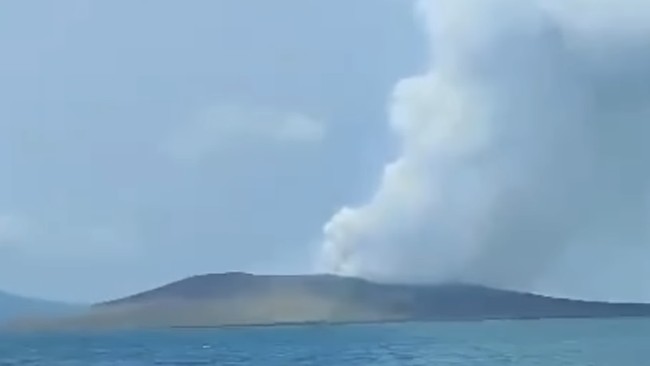
The Ministry of Energy and Mineral Resources (ESDM) has explained the phenomenon of several volcanoes in Indonesia erupting within close proximity, as is currently occurring. This phenomenon has prompted public questioning as to whether an eruption of one volcano could trigger an eruption in another.
Recent eruptions include Mount Anak Krakatau in Lampung, Mount Ibu in Halmaheera, Mount Ili Lewotolok in East Nusa Tenggara, Mount Semeru in East Java, and several other currently active volcanoes.
What is the significance of this simultaneous volcanic eruption phenomenon in Indonesia?
In a post on its Instagram account, the Ministry of ESDM revealed that the activity patterns of volcanoes across the country are diverse. Some volcanoes erupt frequently, some see increased activity over weeks or months, and others remain dormant before becoming active again.
“Therefore, when several volcanoes erupt at almost the same time, it does not automatically mean that all are influenced by the same magma source,” the Ministry of ESDM wrote in its Instagram post, as cited on Friday (11/9/2026).
Findings from studies on Mount Anak Krakatau indicate that the volcano still possesses the potential for eruption as its system remains active. “However, this does not mean the next eruption will certainly be larger. Nevertheless, internal seismic activity is still being recorded, so intensive monitoring continues,” the Ministry added.
The Ministry of ESDM stated that the current simultaneous eruptions are due to Indonesia being located in a highly active tectonic region with numerous active volcanoes. Because of the sheer number of active volcanoes in Indonesia, several can experience eruptions simultaneously without any direct connection.
“It is important to understand that every volcano has a different magma system and activity character. To date, there is no scientific evidence or basis for a triggering relationship between volcanoes in this series of eruptions,” the Ministry’s statement added.
Although all volcanoes in Indonesia are related to the same tectonic processes on a regional scale, each volcano possesses a separate magma system. “Therefore, the eruption of Anak Krakatau cannot be directly interpreted as the cause of the eruptions of Semeru, Ili Lewotolok, Mount Ibu, or other volcanoes,” the Ministry further explained.
Additionally, the government explained that the ascent of magma to the surface is influenced by processes within the volcano, such as magma pressure, gas, and the supply of magma from depth. “However, rainfall must still be monitored as it increases the risk of secondary hazards such as lahars, slope erosion, and volcanic material landslides,” the Ministry added.
Status of Active Volcanoes in Indonesia
Throughout 2026, the Ministry of ESDM recorded 11 volcanoes that are still undergoing eruptions. The details are as follows:
Level II (Alert):
Mount Ili Lewotolok: 24,442 times
Mount Ibu: 25,556 times
Mount Dukono: 8,216 times
Mount Marapi: 51 times
Mount Dempo: 3 times
Mount Karangetang: 1 time
Level III (Standby):
Mount Anak Krakatau: 243 times
Mount Lewotobi Laki-laki: 790 times
Mount Semeru: 20,326 times
Mount Merapi: 115 times
Mount Sinabung: 2 times