
Silver Prices Plummet Amidst Fed Concerns, Slumping 5% in a Week!
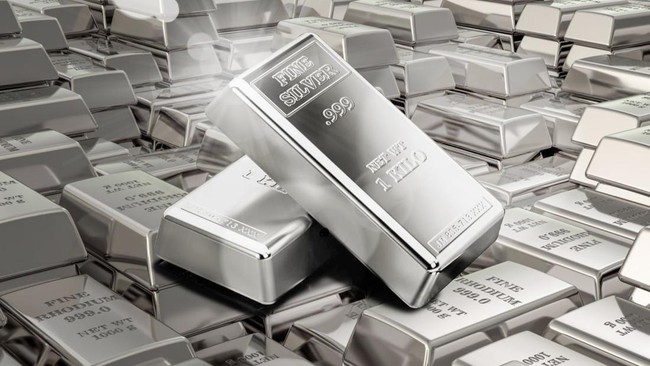
Jakarta, CNBC Indonesia - Silver prices have taken a hit this week, driven by uncertainty surrounding the conflict in the Middle East and projections of higher-for-longer interest rates from the US central bank (The Fed).
According to Refinitiv data, global silver prices on the spot market are currently at $75.95 per troy ounce, a 5.44% decrease for the week.
Silver is under pressure from rising inflation in the United States, which could push The Fed to maintain high interest rates for longer or even raise them further.
US inflation rose higher than expected in April 2026, mainly due to a surge in energy prices. The Consumer Price Index (CPI) increased by 0.6% monthly and 3.8% annually, slightly above market expectations. Meanwhile, core inflation, which excludes food and energy, rose by 0.4% monthly and 2.8% annually, still well above the Federal Reserve’s 2% target.
The annual inflation rate of 3.8% is the highest since May 2023.
Following the report’s release, markets increased the probability of a Federal Reserve interest rate hike to around 30% by the end of the year. However, the US economy is still considered relatively strong, supported by robust consumer spending, solid corporate profits, and projections for second-quarter economic growth of 3.7%.
Previously, markets were still anticipating one or two interest rate cuts this year. However, after the inflation data was released, market participants began to expect The Fed to cut rates only once, with some even predicting no cuts at all.
For silver, expectations of higher interest rates are a major headwind. Gold does not offer the same returns as bonds. When US interest rates and bond yields are high, investors tend to be more interested in income-generating assets.
The pressure has increased further after Kevin Warsh was confirmed as the new Chairman of The Fed. Warsh is seen as more hawkish and likely to support a tight monetary policy to curb inflation.
On the other hand, the ongoing conflict in the Middle East also poses a greater risk of rising energy prices.
With these conditions, geopolitical sentiment is not yet strong enough to lift the market. The market is instead more focused on inflation risks, the direction of The Fed’s interest rates, the strengthening of the US dollar, and rising bond yields.
However, silver’s strength lies not only as a safe-haven asset but also in its industrial applications. Silver prices reflect its dual role as both a precious metal and an industrial raw material.
Unlike gold, which is more sensitive to interest rates, exchange rates, and safe-haven fund flows, silver also benefits when the outlook for demand from the manufacturing sector remains strong. Industrial factors are now becoming increasingly important.
Demand from solar panel installations, electrical systems, electronic components, and the automotive industry helps create a “price floor” for silver, even when macroeconomic conditions are less supportive.
The latest movements indicate that market participants are still focused on long-term structural demand prospects.
This means that the market no longer views silver solely as an asset sensitive to interest rates but also as an industrial commodity with growing needs.