
Silent Killer in the Midst of Modern Lifestyles
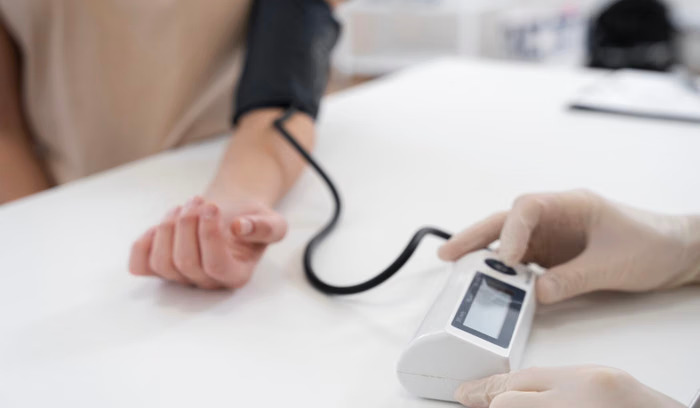
Every 17 May, the world marks World Hypertension Day as a reminder that high blood pressure remains a global health threat often ignored. Many people feel healthy because they do not experience dizziness, fatigue, or other noticeable symptoms. In fact, hypertension can develop with no symptoms and quietly damage the body for years. For this reason, the disease is known as the silent killer.
In Indonesia, we may often hear stories of someone who appears active and healthy but suddenly experiences stroke, heart attack, or kidney failure. In many cases, the root cause is uncontrolled hypertension over a long period. Several studies show that hypertension is not merely an individual medical issue but a global public health problem. The condition is linked not only to high blood pressure but is also influenced by modern lifestyle, stress, social inequality, access to healthcare, and low awareness of the need for regular check-ups.
According to a World Health Organization (WHO) report, more than one billion people worldwide live with hypertension. Ironically, many are unaware that they have high blood pressure. Some have been diagnosed but do not regularly control their blood pressure or take medications as prescribed. As a result, the numbers of stroke, heart disease, and kidney failure continue to rise in various countries, including Indonesia.
Hypertension occurs when the pressure inside blood vessels remains above normal. In normal conditions, the heart pumps blood with a certain pressure to allow oxygen and nutrients to flow to all parts of the body. However, when the pressure is too high continually, the vessels and organs work harder. In the long term, this condition can damage the heart, kidneys, brain, and blood vessels.
UNRECOGNISED
What is often not recognised is that the causes of hypertension are very complex. Many people think high blood pressure is triggered only by excessive salt intake. In fact, research shows that the triggering factors are far broader, ranging from obesity, lack of physical activity, long-term stress, poor sleep quality, smoking, alcohol consumption, and genetic factors.
Modern life worsens the situation. We live in a fast-paced era with little movement. Many jobs require sitting for hours in front of a computer. Fast food high in salt and fat is increasingly easy to find. On the other hand, work pressure, traffic congestion, and financial demands increase daily stress for the public.
As a result, hypertension is no longer associated with older age. Young people are also experiencing high blood pressure due to unhealthy lifestyles. Moreover, some studies show an increase in hypertension among the working-age population.
SOCIAL INEQUALITY
Another issue often overlooked is the relationship between hypertension and social inequality. Lower-income groups tend to have a higher risk of hypertension. The causes are not merely biological but also limited access to healthy food, exercise facilities, medical check-ups, and adequate medical services. For some communities, routine blood pressure checks have not become a priority. Some fear the results, while others find treatment costs too expensive. Consequently, hypertension is often diagnosed only after serious complications arise.
This is where we need to change our mindset. For a long time, society has focused on treating the disease when it is already severe. In fact, hypertension is much easier to prevent than to treat complications such as stroke or kidney failure. Measuring blood pressure is actually very simple and relatively inexpensive. Blood pressure devices are now available in many health facilities and even pharmacies. However, the public’s awareness to conduct periodic checks remains low.
Beyond individual concerns, health systems also face major challenges. One study I read highlights how emergency departments (EDs) often act as the first place people learn they have hypertension. Many patients come with other complaints, but their blood pressure is very high. Unfortunately, after the acute condition is resolved, hypertension is often not followed up optimally. Yet that moment can be an important opportunity for education, early detection, and prevention of complications.
This condition also occurs in many developing countries. Health systems tend to focus more on treating disease than on prevention. As a result, hospitals become busy dealing with complications that could have been prevented from the outset. In fact, the cost of treating hypertension complications is enormous. Stroke, for example, not only causes death but also long-term disability. Many families end up losing productivity and facing economic pressures due to members requiring ongoing care. Therefore, addressing hypertension cannot rely solely on doctors or hospitals. A cultural shift in public health is needed in society.
CHANGE
Simple steps can begin at home. Reducing salt consumption, eating more fruits and vegetables, regular exercise, maintaining a healthy weight, quitting smoking, and getting enough sleep are small habits with a significant impact on health. Exercise does not have to be expensive. A 30-minute daily walk helps keep blood pressure stable. Unfortunately, healthy living is often outweighed by busyness and convenience.
Beyond individual changes, the government and various institutions also have important roles. Health education must be made more accessible to the public.