
Sikambal waste management in Kampung Bali reaches top three in Jakarta innovation competition
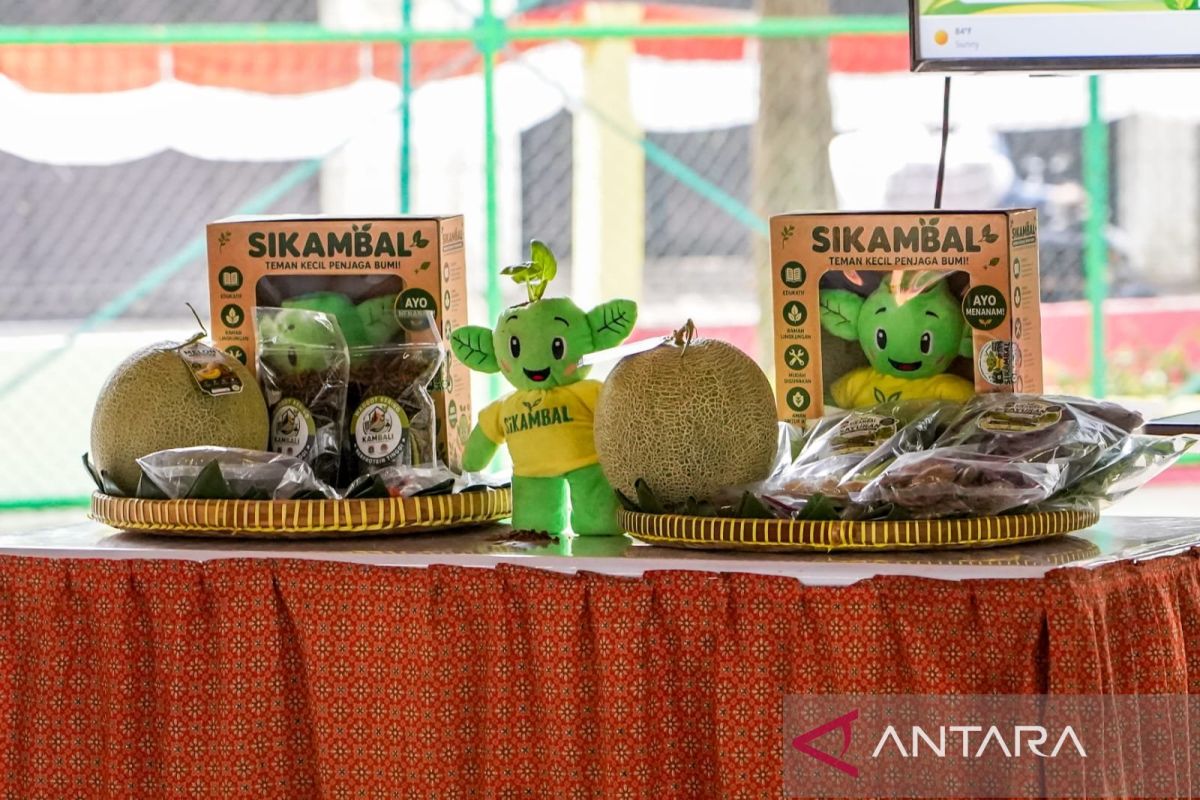
The Sikambal (Sustainable Kampung Bali System) waste management innovation in Kampung Bali, Central Jakarta, has entered the top three of the sub-district innovation competition at the DKI Jakarta provincial level.
Kampung Bali sub-district head Musa is optimistic that Sikambal can achieve the best result because the programme has been implemented and directly involves the community.
“We are trying to present the best of what we actually run and implement. Sikambal has indeed been running,” Musa said in a written statement in Jakarta on Wednesday.
Musa said Sikambal was developed by integrating social, environmental and economic aspects. One of the integrations is through processing waste into products with saleable value, such as the Sikambal doll, which also serves as an educational medium for teaching children about planting.
“The hope is that in the future this will be mass-produced by Kampung Bali residents so that it becomes a new creative economy. We hope it can be sold in the range of Rp100,000 to Rp150,000,” he said.
Musa explained that Sikambal has four pillars: Sikambal Digital for waste bank record-keeping, Kampung Bali Magot for organic waste processing, Sikambal Urban Farming for utilising narrow land, and Sikambal Edu as an environmental education medium.
He said around one tonne of organic waste from RW 10 is processed each month through Kampung Bali Magot.
The implementation of Sikambal involves around 400 residents, including PKK cadres, Dasawisma, Jumantik, as well as RT and RW community members.
Meanwhile, Head of the Regional Innovation Research Centre at Bappeda DKI Jakarta, Maruhal Mangasi Tunas Sijabat, said factual verification was carried out to ensure the innovation concept matches its implementation.
He expressed hope that Sikambal will continue to be developed and not stop as a competition programme, but provide benefits for Kampung Bali residents.
“Not just temporary or about who has the idea, but how the concept and solution address one of Jakarta’s problems. Then how residents are involved and how the programme can be sustainable,” Maruhal said.