
Signing LoI on E-Voting, Kemendagri: Digitalisation of Elections is More Than Just Technological Transformation
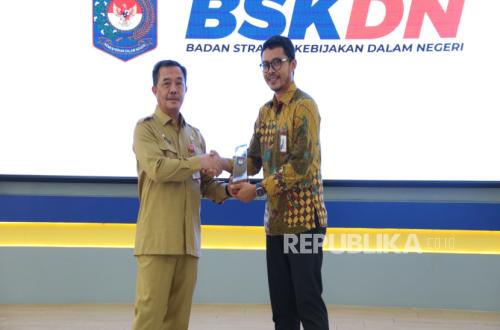
JAKARTA — The digitalisation of general elections (pemilu) is deemed essential to ensure the fundamental principles of democracy continue to function. According to Yusharto Huntoyungo, Head of the Domestic Policy Strategy Agency (BSKDN) at the Ministry of Home Affairs (Kemendagri), the digitalisation of elections is not merely a technological transformation but part of a strategic effort to strengthen the quality of democracy. Its implementation must still uphold the principles of direct, general, free, secret, honest, and fair (Luber Jurdil).
“Digitalisation of elections does not mean that the public can vote arbitrarily without a guaranteed system. The challenge then is how technology can be implemented while still meeting the Luber Jurdil principles,” he explained at the signing ceremony of the Letter of Intent (LoI) for cooperation on providing electronic voting (e-voting) technology at the Digital Election Simulation Lab (DESLab) between Kemendagri and PT Inti Konten Indonesia (INTENS) at the BSKDN Command Center on Tuesday (21/4/2026).
He also explained that BSKDN, as a strategic unit in Kemendagri, plays a role in providing policy recommendations to the Minister of Home Affairs through policy briefs based on studies. One of the strategic issues being developed is the improvement of the election system in Indonesia, from village head elections to regional head elections, including strengthening the supporting political system.
One of the ideas that has emerged is the implementation of an asymmetric election scheme across regions, which considers several variables, including the level of digital maturity in each area. In this scheme, regions with high readiness can adopt technology-based election systems more independently, while regions with lower readiness continue to use methods suited to their respective conditions.