
SIG: Low-emission materials are essential for sustainable construction
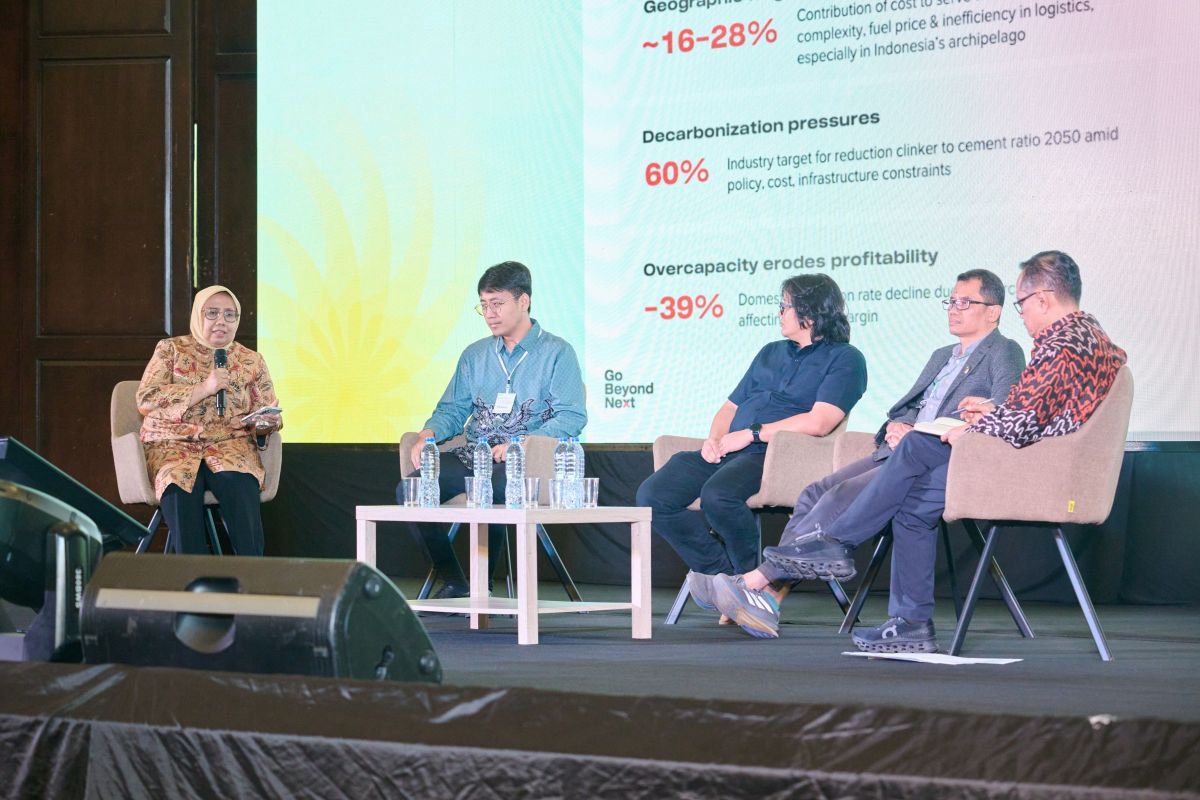
Jakarta (ANTARA) - PT Semen Indonesia (Persero) Tbk (SIG) believes that the use of low-emission building materials is a vital component in accelerating the implementation of sustainable construction in Indonesia.
SIG Operations Director Reni Wulandari stated that the implementation of green buildings cannot rely solely on standards and assessment frameworks; it must be realised from the selection of materials through to the construction process.
“The transition towards low-emission construction requires collaboration across the entire value chain, as well as the availability of building material solutions for various project needs,” Reni said in an official statement received in Jakarta on Thursday.
According to her, efforts to reduce emissions in the construction sector also need to be supported by more efficient material production processes and the sustainable use of resources.
The company stated that it has implemented circular economy principles in its production processes, including the use of alternative fuels such as urban waste processed into refuse-derived fuel (RDF), industrial waste, and biomass.
The company noted that the thermal substitution rate (TSR) at its factories has reached 25 per cent. This rate indicates the portion of thermal energy that can be replaced by alternative fuels during the production process.
In addition to alternative fuels, SIG utilises renewable energy in several operational areas through solar panels and the optimisation of waste heat using Waste Heat Recovery Power Generation (WHRPG) technology.
The company is also implementing factory digitalisation to optimise production processes and increase efficiency. One of the technologies used is a plant optimiser system, which has been implemented in several production facilities and is planned for expansion to other plants.
Reni said these steps are aimed at producing building materials with lower emission intensities without compromising quality for their intended use.
According to company records, the low-emission cement products produced by SIG have an emission intensity up as much as 38 per cent lower than conventional cement. Several of these products have also obtained Green Label certification.
In addition to cement, SIG is developing various concrete products and cement-derived building materials to meet construction needs while considering material efficiency and sustainability aspects.
The company also stated that its products comply with the Indonesian National Standard (SNI), with a local content level (TKDN) of more than 90 per cent.
Reni assessed that the application of sustainability principles is becoming increasingly important as the need for infrastructure and building development continues to prioritise resource efficiency and emission reduction.
Efforts to expand the understanding of green buildings are also being undertaken by SIG in collaboration with the Green Building Council Indonesia (GBCI) through the Indonesia Green Building Festival 2026.
The series of activities is scheduled to take place in Bandung on 9 September, Yogyakarta on 14 September, Makassar on 24 September, Denpasar on 26 September, and Surabaya on 29 September 2026.
These activities are aimed at expanding the application of green building principles among industry players, including in the selection of building materials and the implementation of more sustainable construction processes.