
SIG Boosts Aceh's Local Economy by Processing Coconut Waste into Animal Feed
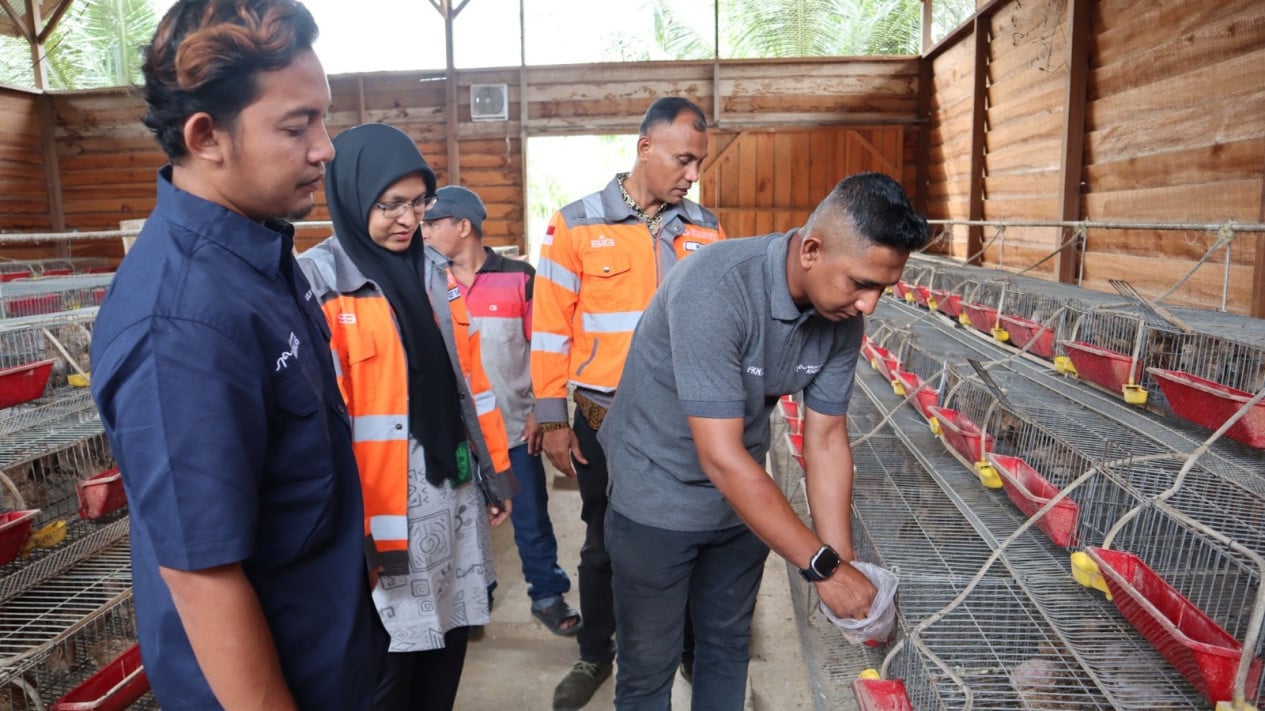
PT Semen Indonesia (Persero) Tbk (SIG), through its business unit PT Solusi Bangun Andalas, is turning the problem of coconut waste from the Lampuuk Beach tourist area in Aceh into a new economic resource for the community. SIG Corporate Secretary Vita Mahreyni stated that through the ‘Sampah Kelapa untuk Desa Sejahtera’ (Sakeladera) programme, approximately 60 tonnes of coconut waste per month is processed into cocopeat, a fine powder from coconut husk, for use as an animal feed mixture. This has successfully reduced poultry farmers’ feed costs by up to 60 per cent while cutting carbon emissions from waste burning.
The innovation behind the Sakeladera programme was driven by the accumulation of coconut waste from tourism activities at Lampuuk Beach, reaching around 60 tonnes per month, which was left to rot or destroyed by burning, generating carbon emissions of up to 34.8 tonnes of CO₂ per month. Meanwhile, local poultry farmers faced difficulties obtaining feed and depended on supplies from outside the region, resulting in high feed costs reaching IDR 48 million per month.
In 2024, PT Solusi Bangun Andalas initiated the Sakeladera programme. In its implementation, the company again partnered with the Bank Sampah Generasi Milenial (Basagemil) community, which had previously collaborated on the Sobat Si Abes (Solusi Bangun Andalas Sahabat Pesisir) programme since 2022. Beyond providing equipment to process coconut waste into cocopeat as an alternative feed mixture, the company also delivered comprehensive education and mentoring to Basagemil, and helped socialise the programme to the community so it could be well received and run smoothly.
The Sakeladera programme has proven successful in delivering multiple positive impacts. Waste accumulation has been reduced to 20–24 tonnes per month from the previous 60 tonnes. This innovation has also assisted several poultry farming groups in Lhoknga, Aceh, in lowering feed costs by up to 60 per cent, or approximately IDR 28.2 million per month, while reducing dependence on external supplies.