
Sido Muncul Bolsters Herbal Development Through Pharmacology Laboratory
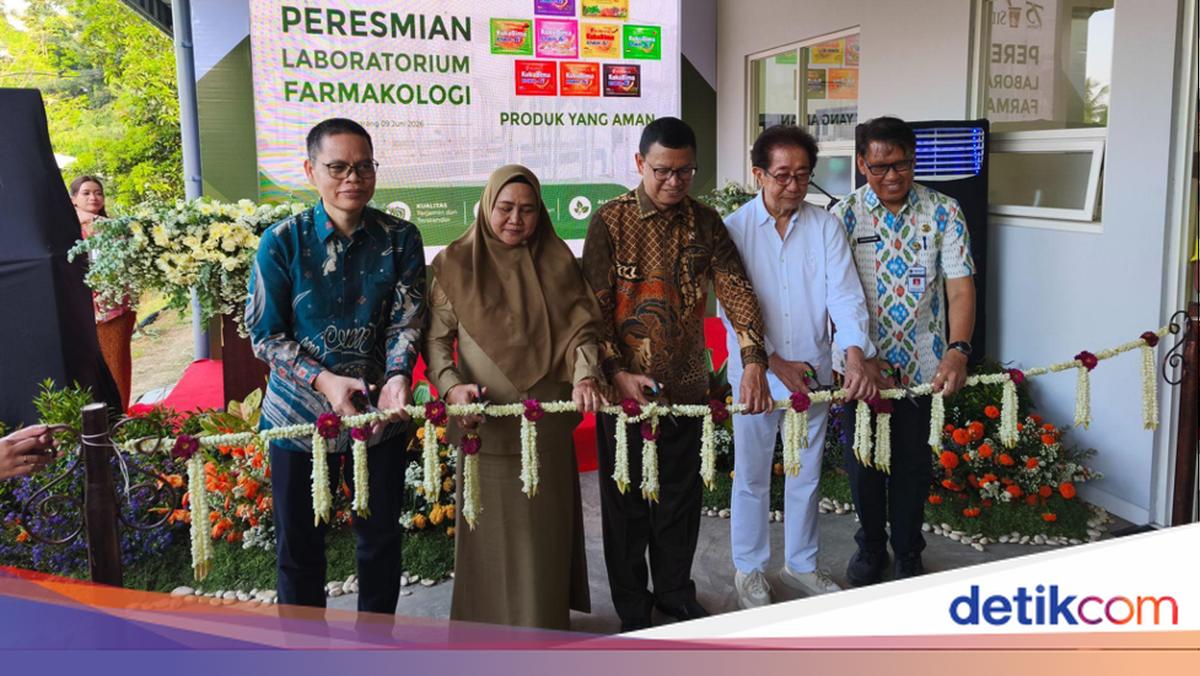
The laboratory was inaugurated by the Head of the Indonesian Food and Drug Monitoring Agency (BPOM), Prof. dr. Taruna Ikrar, M. Biomed., MD., Ph.D., on Tuesday (9/6) at the Sido Muncul factory in Semarang Regency. Also in attendance were the Head of the Central Java Provincial Health Office, the Deputy Regent of Semarang, and the President Director of Sido Muncul, Dr. (H.C.) Irwan Hidayat.
Sido Muncul’s Pharmacology Laboratory was originally established in 2001. To meet increasing research demands, the facility was relocated and rebuilt as a permanent, modern structure spanning 288 square metres, beginning operations in its new location in January 2020. The laboratory is led by a veterinarian and supported by a team of experienced researchers and lab technicians.
President Director Irwan Hidayat stated that the laboratory is integral to the company’s strategy of developing herbal products rooted in traditional wisdom but strongly supported by scientific evidence. “In the context of our upcoming 75th anniversary, Sido Muncul will concentrate on intensive research. We know how to do it, and we have a complete facility, which is the Pharmacology Laboratory,” he said.
Irwan explained that within the next few months to a year, the laboratory is expected to yield evidence-based research results for all of its products, enabling the company to optimise them. “If the efficacy is not effective, we will fix it. With this research-based orientation, hopefully, it will have an impact on genuine Indonesian medicines,” he added.
Irwan noted that this is the first pharmacology laboratory in the herbal medicine industry, aiming to gather more substantial proof of safety and efficacy beyond the labelling provided by the BPOM. Over more than two decades, the laboratory has conducted various studies, including acute toxicity tests, subchronic toxicity tests, teratogenic tests, stamina tests, and anthelmintic activity tests.
Beyond internal research, Sido Muncul collaborates with universities such as Diponegoro University, Sanata Dharma University, and Maranatha Christian University to strengthen the scientific validity of Indonesian herbal products. For its product Tolak Angin, research with the medical and pharmacy faculties of these universities encompassed subchronic toxicity tests, herbal raw material quality tests, and clinical trials. Results showed no dangerous toxic effects, with no deaths or significant changes to vital organs after 90 days. Liver and kidney functions also remained unharmed.
Irwan also cited pharmacological test results for another product, SM-Diabe, which was proven traditionally useful for helping to alleviate symptoms of diabetes, including controlling blood sugar. He illustrated the finding by describing tests on rats given sucrose, where those also given SM-Diabe showed a moderated rise and quicker fall in blood sugar compared to the negative control group.
Irwan further lamented the widespread hoaxes and misinformation linking kidney damage to the consumption of energy drinks, attributing such health issues instead to unhealthy lifestyles.