
Should Dates Be Washed Before Eating? Here's How to Eat Them Properly
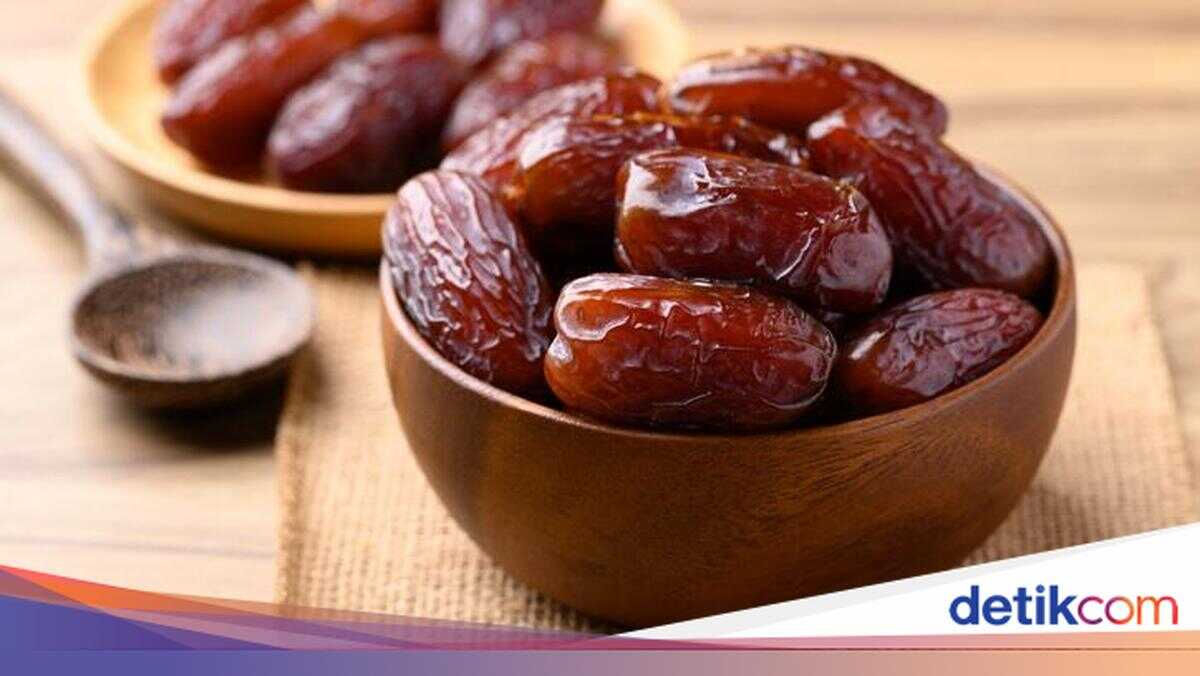
Dates and Ramadan are inseparable; dates are one of the most popular snacks purchased during the holy month. Interestingly, there’s a belief that dates should be washed before eating. Is this true?
Like most fruits we eat daily, it’s a good idea to wash dates before eating to maintain cleanliness. This ensures that each date is clean. Additionally, dates often travel long distances, so washing them helps remove any dirt or dust.
The Saudi Food and Drug Authority (SFDA) also provides similar recommendations. For more details, let’s explore the reasons behind the suggestion to wash dates before eating, along with their nutritional content and the best time to consume them.
Key Points:
The Saudi Food and Drug Authority recommends washing dates (ideally with warm water) to reduce residue, dirt, or microorganisms that may be on the skin.
The ideal portion is about 2 dates or around 40 grams per day. Dates contain carbohydrates, fiber, potassium, magnesium, and antioxidants, which are good for energy and digestion.
They can be eaten as a snack between meals or before exercise. In Islam, dates are also recommended during iftar (breaking the fast), as mentioned in the hadith of Anas bin Malik recorded by Abu Dawud and Tirmidhi.
Should Dates Be Washed Before Eating?
As mentioned earlier, the SFDA recommends washing dates before eating. According to Saudi Gazette, the Saudi Food and Drug Authority advises washing dates with warm water to reduce residue on the skin.
Furthermore, dates may be exposed to microorganisms or other chemicals. Therefore, washing them with warm water ensures they are clean.
This is also explained in the book ‘Medical Secrets in the Quran and Hadith: Surgery Without Scars’ by Abdel Daem Al-Kaheel, which states that dates used for medicinal purposes should also be washed before consumption, especially when given to children or the elderly, who are more vulnerable to health problems.
Some suggest soaking dates in water to make them easier to digest.
There are also recommendations on how to eat dates, based on Islamic teachings and health considerations. According to the book ‘1001 Effective Ways to Train Children’ by Bunda Nafisah Aulia, it is recommended to eat one or three dates per day, as dates contain various nutrients needed by the body and should be consumed in moderation.
From a medical or health perspective, the recommended daily portion of dates is 2 dates or 40 grams per day, as stated on Nuturally. The Food and Drug Administration (FDA) also provides the same recommendation, stating that consuming 40 grams of dried dates per day can help meet daily nutritional needs, especially for magnesium and potassium.
Nutritional Content of Dates
As a fruit rich in benefits, the nutritional content of dates is important to know, especially if you plan to make them a daily snack.
According to WebMD, a serving of 2 dates or about 40 grams contains 110 calories. It includes protein, carbohydrates, fiber, and sugar. Interestingly, dates contain 0 grams of fat. Here’s a breakdown:
Protein: 1 gram
Carbohydrates: 31 grams
Fiber: 3 grams
Sugar: 27 grams
Dried dates are rich in potassium, iron, calcium, and magnesium. They also contain polyphenols, which act as antioxidants and provide health benefits, such as supporting digestion, preventing cancer, increasing energy, and being safe for people with diabetes in moderation. This makes dates one of the best sources of nutrients for the body.
Best Time to Eat Dates
The best time to eat dates can be adjusted to individual preferences, as people may have different habits or considerations when consuming dates daily.
However, health experts have some recommendations. According to Health, nutritionist Lauren Harris-Pincus, MS, RDN, recommends eating dates between meals, making them a healthy snack. She also suggests eating them at 3 p.m. to combat the afternoon energy slump. Another nutritionist, Stacey Woodson, MS, RD, LDN, recommends eating them before exercise, as the carbohydrates help fuel working muscles, while potassium supports proper muscle function.
While there is no specific research recommending the best time to eat dates for health benefits, eating them to support digestive health is a good option.