
Short-term Strategies to Mitigate the Impact of Non-Subsidised Fuel Prices and Inflation
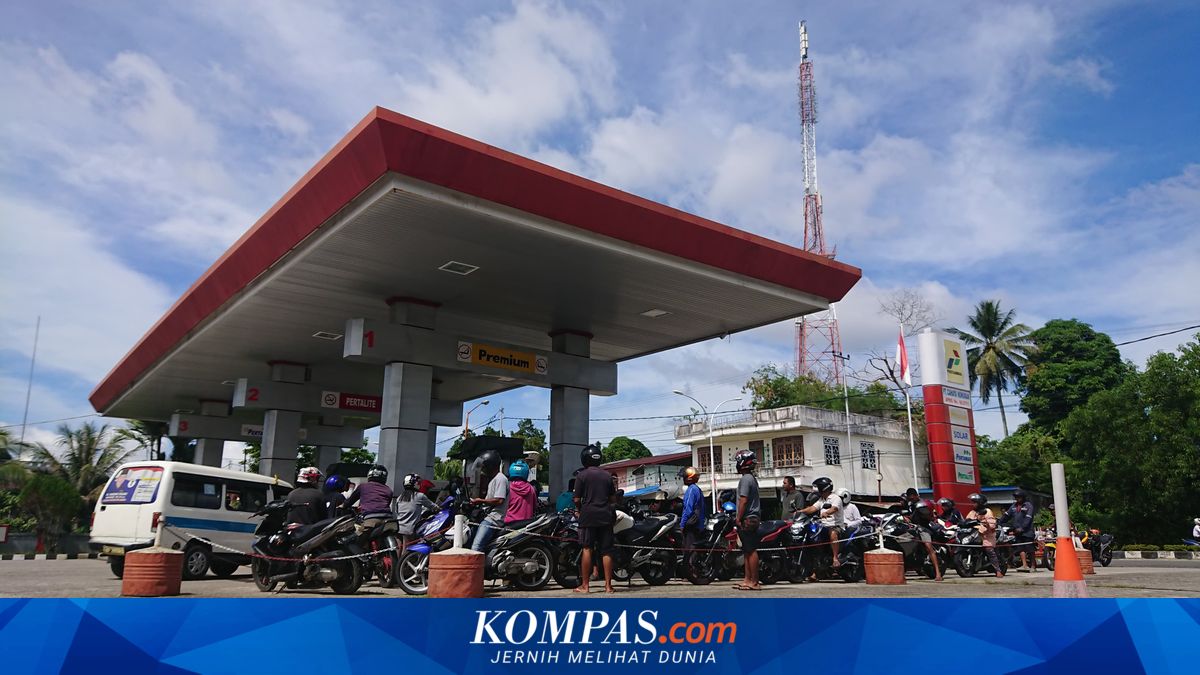
JAKARTA, KOMPAS.com - The issue of rising non-subsidised fuel prices continues to loom over the public and has the potential to drive widespread inflation.
In this situation, quick steps to curb fuel consumption are seen as key to mitigating greater impacts on the economy.
Energy conversion expert and lecturer in engineering at the Bandung Institute of Technology (ITB) Tri Yuswidjajanto Zaenuri believes that the most realistic short-term strategy is to encourage changes in public behaviour regarding energy use.
“The strategy that can be immediately implemented is saving fuel use, such as work from home (WfH), migration to electric vehicles and stoves, reducing public mobility, and restricting fuel sales,” Tri told Kompas.com on Saturday (4/4/2026).
In addition, he highlighted the importance of utilising alternative energy as part of the solution.
“Converting diesel power plants to solar power plants, utilising natural gas for industry, vehicles, and households, as well as using vegetable-based fuels like B50 and E20,” he said.
Of the various options, behaviour-based steps are considered the quickest to implement.
According to him, policies like WfH are effective in reducing daily mobility, especially in major cities.
With fewer routine trips, fuel consumption can be significantly curbed without needing complex technical interventions.
In addition, accelerating migration to electric vehicles is also seen as a quick solution, particularly for urban use.
Although not yet widespread, the trend of electric vehicle use is starting to show potential in reducing dependence on fuel.
Not only in the transportation sector, changes can also be made in the household sector.
On the other hand, the government is also encouraged to optimise the use of alternative energies such as natural gas and vegetable-based fuels.
Biodiesel blends (B50) and bioethanol (E20) are seen as relatively quick transition solutions to curb petroleum-based fuel consumption.
However, Tri warns that the effectiveness of these steps greatly depends on policy consistency and public support.
Without active participation from various parties, energy-saving efforts will be difficult to achieve optimal results.
With the right policies and sustainable behavioural changes, these short-term strategies are hoped to be able to mitigate the impact of rising fuel prices while serving as an initial step towards a more sustainable energy transition.
Source: jawawa.id (https://jawawa.id/newsitem/short-term-strategies-to-mitigate-the-impact-of-non-subsidised-fuel-prices-and-inflation-1775620379)
Originally published by Kompas (https://otomotif.kompas.com/read/2026/04/06/194100915/strategi-jangka-pendek-atasi-dampak-bbm-nonsubsidi-inflasi?utm_source=ABC&utm_medium=rss), translated from Indonesian