
Short on collection, Kepri provincial government invites book donations for libraries
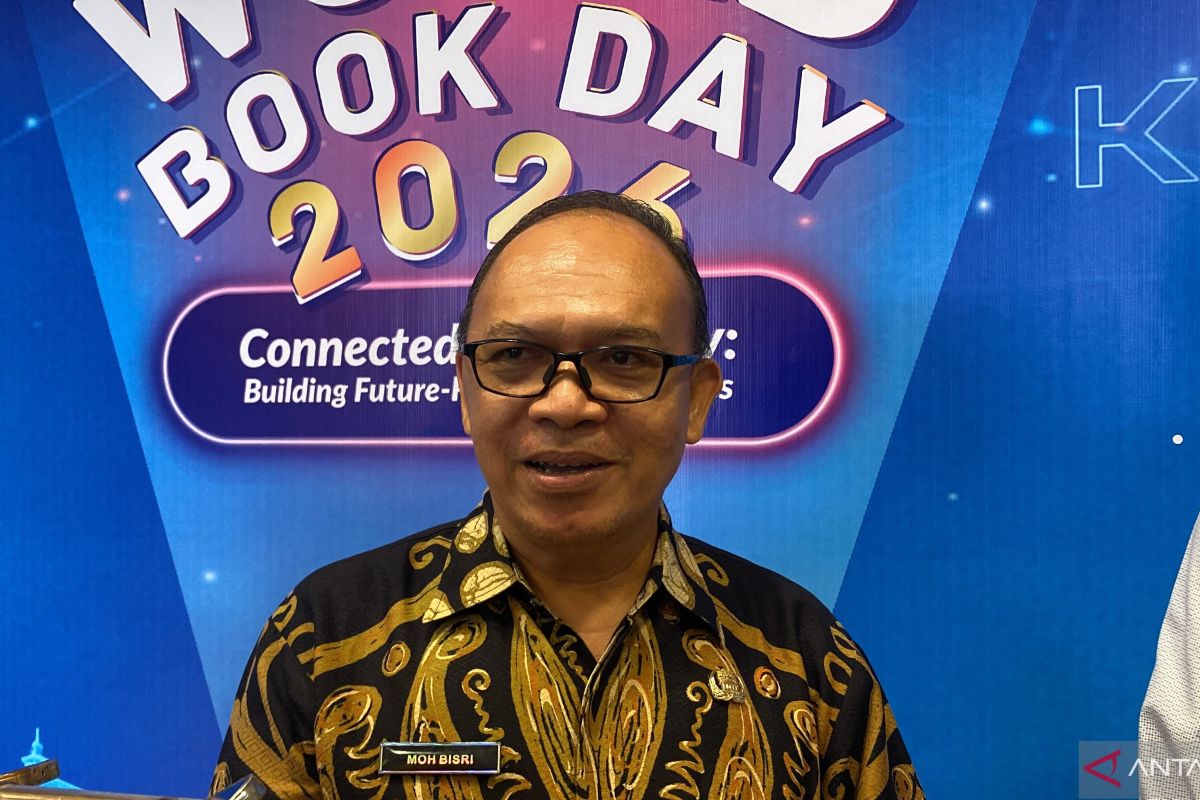
The Library and Archives Agency (DPK) of the Riau Islands Province (Kepri) is inviting the public to contribute book donations to help augment the regional library’s collection, which currently falls short of established standards.
The Head of DPK Kepri, M. Bisri, stated that the library owned by the Riau Islands Provincial Government currently possesses approximately 20,000 book titles, whereas the ideal standard is at least 50,000 titles.
“Our collection is indeed insufficient. At present, we only have around twenty thousand titles, while the standard should be around 50,000 titles. Therefore, we are opening and accepting book donations from the community,” Bisri said when contacted in Batam on Sunday.
Bisri cited an example of a high school student, who had continued their education abroad, recently donating their entire collection of novels to the regional library.
“Recently, a high school student who studied abroad handed over all of their novels to us. We are very pleased. Perhaps many members of the public have good books at home that could be donated so they can be read by others,” he added.
Every book received will undergo a selection and assessment process before being integrated into the library’s permanent collection.
“Donations can be delivered directly to the Riau Islands Provincial Government library or to the nearest libraries in the Regency/City areas,” said Bisri.
In addition to expanding the regional library’s collection, the collected books will also be distributed through various literacy programmes.
“We also continue to distribute books to reading gardens, school libraries, and even correctional facilities (Lapas). Thus, the incoming books will provide broader benefits,” he said.
“We will continue to encourage the Reading Interest Level (TKGM) through the ‘Family Loves Reading’ Movement and the provision of family reading spaces,” he added.
Furthermore, the agency is promoting the ‘Family Loves Reading’ Movement by introducing reading corners in homes, government offices, places of worship, and even cafes.
“Another focus is the utilisation of the library by the public. It is not just about increasing the number of books, but about how the community becomes more fond of reading and makes use of the existing library facilities,” concluded Bisri.