
Short-Lived Threat: Trump's 20% Tariff on Hormuz Strait Cargo
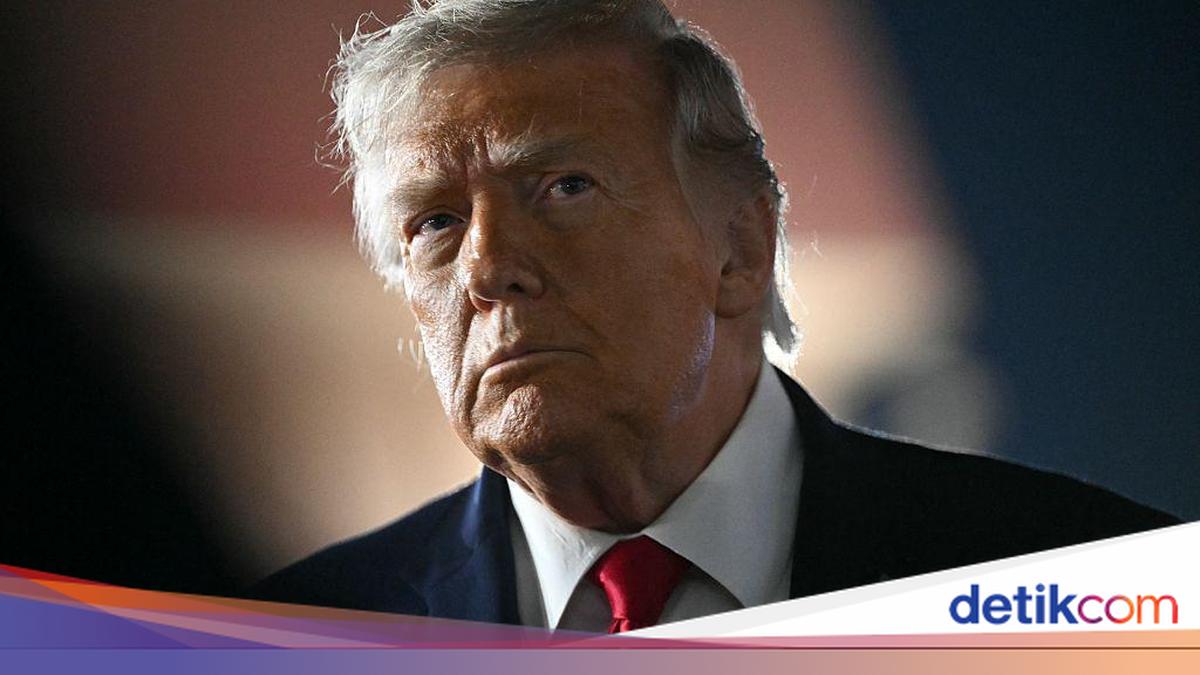
US President Donald Trump briefly imposed a 20% tariff on ships transiting the Strait of Hormuz during a US Navy blockade, before swiftly cancelling the politically charged measure. On Tuesday (14/7), Trump stated the 20% tariff on cargo passing through the Strait of Hormuz was being enforced as payment for the US military’s work in securing the waterway from Iranian forces. “The Strait of Hormuz is open and will remain open, with or without Iran. We are reimposing the blockade on Iran,” Trump wrote on his Truth Social platform. “The US… will be reimbursed, at a rate of 20% of all shipped cargo, for all costs necessary to guarantee safety and security in this highly conflict-prone region of the world,” he added.
Just one day later, Trump cancelled the 20% tariff on every cargo shipment transiting the Strait of Hormuz. The tariff threat was made as the US and Iran exchanged further attacks following a series of strikes on vessels in the Strait of Hormuz, which Washington blamed on Tehran. “We want them to make massive investments in the United States, rather than charging fees. And I actually like that, because I think no one should be charging fees for that strait or any other strait anywhere involving other parts of the world,” Trump said during a meeting with Iraqi Prime Minister Ali al-Zaidi at the White House. Trump indicated that Gulf nations had signalled a willingness to increase investment in the US, rather than relying on revenue from transit fees. “The Gulf countries are going to invest massive amounts in the US, and that is very satisfying to me. I think that is much better,” the US President said. Trump stated he had spoken with leaders from Saudi Arabia, the United Arab Emirates, Qatar, Bahrain, and Kuwait. “I have spoken to all of them, and they are very keen to invest more capital in the United States in record-breaking amounts, and that is certainly very welcome. This way, there are no additional costs. I don’t like the concept of such fees,” he remarked. Trump argued it was unfair for the US to bear the burden of protecting strategic shipping lanes used by many nations worldwide without receiving broader economic benefits.
Meanwhile, Iran’s Islamic Revolutionary Guard Corps (IRGC) insisted that the Strait of Hormuz would remain closed until the US ends its “aggressive actions.” The IRGC also warned that other regional oil export routes could be targeted. The war between the US and Iran, which began in late February, has disrupted energy supplies through the Strait of Hormuz, a key transit route for oil and gas shipments from the Gulf region. The IRGC said it had launched attacks on US military facilities in Bahrain and Kuwait following American strikes on Iranian territory. “The enemy must know that just as their maritime raiders have blocked the Indian Ocean route for oil and gas exports to the world, endangering the interests of America’s economic rivals, they should also expect the closure of other oil and gas export routes serving the interests of the United States and its allies,” the IRGC said in a statement broadcast on state television. They did not specify which routes might be affected. “Oil and gas exports from this region will be available to everyone or to no one,” the IRGC added. In a separate statement, the Revolutionary Guards said: “Retaliatory operations by the fighters will continue, and the Strait of Hormuz will remain closed until the United States ends its aggressive actions.” US officials have previously dismissed Iran’s claims that it can control navigation through the strait, insisting that the international shipping lane remains open.