
Shock as Baby Placenta Smuggling Ring Uncovered for Anti-Ageing Drug Production
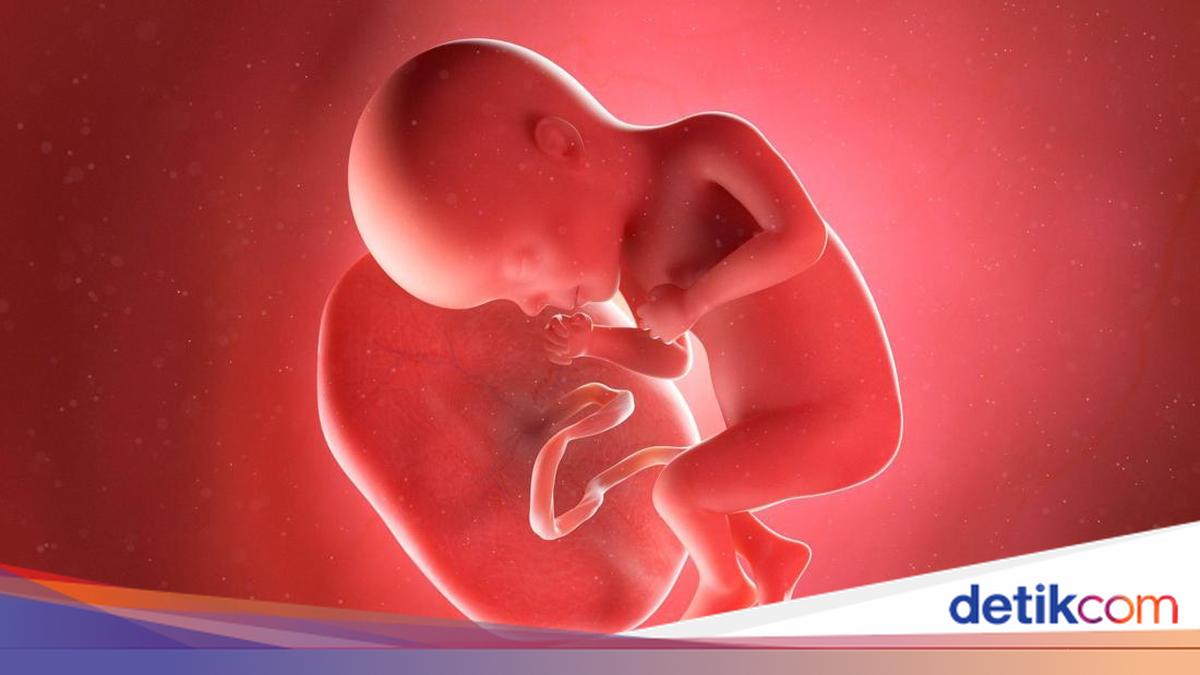
Law enforcement authorities in Pakistan are investigating a syndicate allegedly smuggling human placentas from several hospitals to be used as raw material for anti-ageing injections. The Federal Investigation Agency (FIA) accuses the group of routinely purchasing around 200 kilograms of placentas each month. The organs were reportedly dried and processed before being smuggled abroad.
The case came to light following a raid in Islamabad in late June. During the operation at an illegal processing facility, officers seized approximately 500 kilograms of material suspected to be human placentas. The FIA arrested five individuals. Photographs released by the agency show trays of dried placentas stacked on trolleys. Authorities stated the illegal activities were conducted in a residential house that had been converted into a storage and processing facility.
Investigators said the five suspects paid hospitals in Islamabad and Rawalpindi approximately US$2.90 per placenta. According to Hina Kanwal, an official at Pakistan’s Human Organ Transplant Authority, such transactions could not occur without collusion from hospital management. The FIA stated the placentas were intended for export to be processed into anti-ageing injections, with each dose valued at around US$2,530.
Demand for human placenta in the cosmetic surgery industry is very high, though all forms of buying and selling placentas are illegal in Pakistan. Anyone found guilty of harvesting human organs for commercial purposes faces up to 10 years in prison and a maximum fine of US$3,600. The FIA revealed the network extended to other major cities, including Lahore and Peshawar, and is currently investigating immigration officers, waste management companies, and hospital staff for alleged involvement.
Agency officials said the suspects initially claimed the placentas were from sheep before confessing they were human. Separately, FIA officers at Islamabad International Airport discovered 100 kilograms of human placentas being smuggled to Vietnam, where the use of human placentas in beauty products is prohibited. A total of nine people have been arrested and remain in police custody.
Gynaecologist Sadaf Tariq explained that placenta disposal is strictly regulated as it is classified as highly infectious medical waste. Immediately after delivery, the placenta must be sealed in a marked yellow medical waste bag and transferred to a central cold storage facility to prevent decomposition. It can be stored for a maximum of 24 hours before mandatory destruction through standard medical incineration procedures, a process that applies to both government and private hospitals. The disposal is carried out by licensed waste management companies, with official records that are periodically inspected by authorities.