
Shipping Traffic in the Strait of Hormuz Begins to Recover Amid US-Iran Negotiations
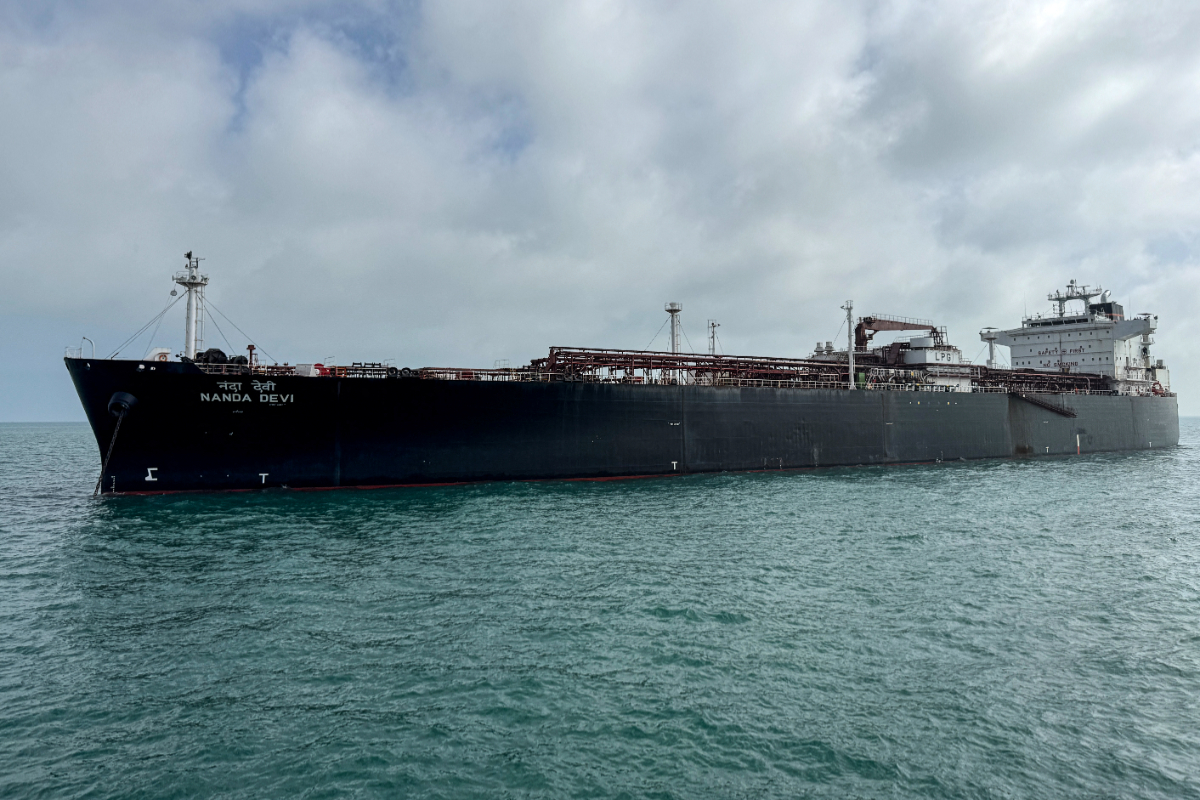
Commercial shipping traffic through the Strait of Hormuz has increased significantly amid ongoing negotiations between the United States and Iran, after both countries reached a temporary agreement in mid-June. Although shipping activity is beginning to show signs of recovery, industry players remain cautious as the negotiation process between Washington and Tehran is still considered fragile and leaves lingering uncertainty. Before the conflict erupted in late February, an average of around 130 commercial vessels transited the Strait of Hormuz daily. However, activity plummeted following the outbreak of war, triggered by joint US and Israeli strikes on Iran and subsequent retaliatory attacks by Tehran. Since the temporary memorandum of understanding took effect on 18 June, vessel traffic in the strategic shipping lane has started to increase again. Nevertheless, volumes are still about 70 per cent lower compared to pre-war conditions. Data from maritime analytics firm Kpler shows that 223 commercial vessels passed through the Strait of Hormuz between 15 and 21 June, averaging 32 ships per day. During that period, the lowest daily traffic was recorded on 17 June with 19 vessels, while the highest figure reached 54 vessels on 22 June. Meanwhile, during the period of 22 to 28 June, the number of vessels transiting the Strait of Hormuz rose to 343 ships, averaging 49 vessels per day. The lowest daily traffic was 24 vessels on 28 June, while the highest activity occurred on 24 June with 76 vessels crossing the strait. The date of 24 June also marked the busiest day for shipping traffic in the Strait of Hormuz since the conflict began on 28 February. Overall, vessel traffic volume during the week of 22-28 June increased by nearly 54 per cent compared to the previous week. The majority of vessels transiting were tankers carrying crude oil and refined petroleum products from Iran, Saudi Arabia, the United Arab Emirates, Iraq, and Kuwait. Based on the same data, at least six million barrels of crude oil were shipped through the Strait of Hormuz on Monday. Although traffic is beginning to recover, most vessels still choose to sail through routes within Iranian territorial waters. The data also indicates that the majority of voyages are conducted by the shadow fleet and vessels under international sanctions. This increase in shipping activity reflects the beginning of a restoration of industry confidence in the security of global energy trade routes, even though the negotiation process between the United States and Iran is still ongoing and has yet to produce a permanent agreement.