
Shipping Recovery in Strait of Hormuz Could Take Weeks
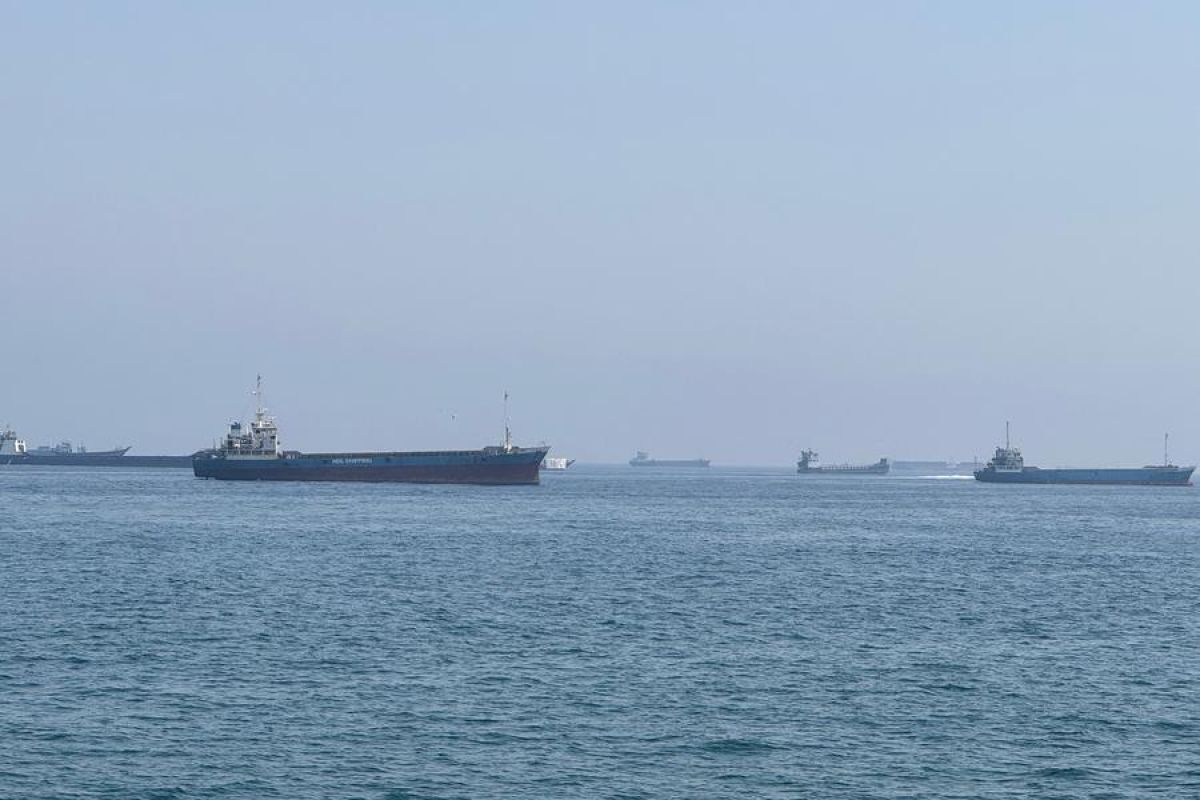
London (ANTARA) - Shipping traffic through the Strait of Hormuz is unlikely to return to normal immediately despite an agreement between the United States and Iran to reopen the vital waterway, the Financial Times reported on Tuesday, citing the head of tanker operator Mitsui OSK Lines. Jotaro Tamura, chief executive officer of Mitsui OSK Lines, the world’s largest tanker operator by fleet size, told the British newspaper that many operators will remain cautious before resuming transit through the strait as shipowners await clearer evidence that the deal will ensure safe passage. “What is needed is not just an agreement between the countries concerned, but actual implementation on the ground and reflected in the real situation in the Strait of Hormuz, so that shipping companies feel comfortable to transit again,” he said. Tamura noted that, given repeated setbacks in recent months to efforts to reopen the shipping lane, it is reasonable to expect the recovery process to take at least several weeks, or even up to a month. The Strait of Hormuz is one of the world’s most important energy shipping routes. Before the conflict, more than a fifth of global oil and liquefied natural gas (LNG) was transported through the waters, which also serve as a key route for grain and consumer goods to the Gulf region. According to the newspaper, daily traffic through the strait averaged around 135 ships before the conflict but has since declined sharply. Mitsui OSK Lines operates more than 900 vessels, including over 200 tankers carrying crude oil, petroleum products, and chemicals. Tamura said the Japanese company had relocated four of its ships out of the Gulf region before the agreement was reached, while at least seven other vessels are still waiting to transit the Strait of Hormuz. The uncertainty has prompted calls for a coordinated reopening. Shipping companies and other shipowners are urging the International Maritime Organization (IMO), a United Nations body, to coordinate the departure of around 500 vessels that need to pass through the strait to leave the Gulf region. IMO Secretary-General Arsenio Dominguez said the organisation is assessing whether ships can safely return to transit the strait and conduct trade, while avoiding hazards such as sea mines and traffic congestion. He also mentioned that the IMO is working on a safe evacuation corridor for seafarers who have been stranded in the Gulf region for more than 100 days. Hapag-Lloyd, one of the largest container shipping companies, said the news of the peace agreement was encouraging and expressed hope that its stranded ships could depart soon. Philip Belcher, marine director of tanker industry association Intertanko, urged a cautious approach and said ships should conduct vessel-specific risk assessments before sailing. The report emerged as the US and Iran moved towards a formal agreement after nearly four months of conflict. US officials stated on Monday that both parties had signed a memorandum of understanding (MoU) to end the conflict, with a formal signing ceremony expected to take place on Friday.