
Ship Connectivity in Maritime Regions Continues to Expand
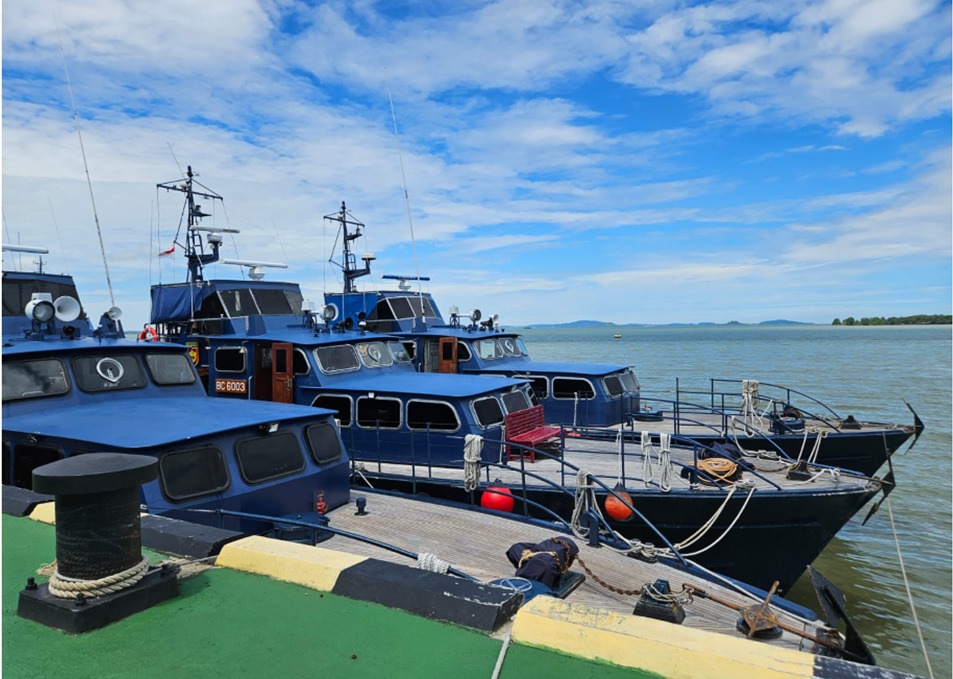
Satellite-based connectivity is becoming a vital solution for maintaining communication and digital activities for ships operating in regions unreachable by terrestrial communication networks. This need is increasingly critical as the use of digital technology in maritime sector operations continues to rise.
Telkomsat has introduced the Very Small Aperture Terminal (VSAT) STAR service to support ship connectivity while at sea. The service offers wide coverage with capacities of up to 200 Mbps per site, including for vessels operating within the Exclusive Economic Zone (EEZ).
Satellite connectivity can be utilised for various needs, including communication between ships and control centres, data exchange, access to digital applications, inter-unit coordination, and personnel communication during voyages.
Telkomsat’s Commercial Director, Andri Yunianto, stated that the operational characteristics of the maritime sector require network support that differs from land-based activities. The vastness of sailing areas and the limitations of terrestrial networks present significant challenges in maintaining ship connectivity.
“Through VSAT STAR, we want to ensure that the limited range of land networks does not become an obstacle to maritime operational activities. Satellite connectivity allows ships to remain connected to support communication, data exchange, and various digital needs that are increasingly important in modern operations,” said Andri.
One application of this service is currently being utilised by patrol ships from the Directorate General of Customs and Excise. Connectivity is used to support communication and network requirements when conducting surveillance, prevention, and law enforcement against goods traffic violations within Indonesian customs areas and the EEZ.
The use of satellite connectivity on patrol ships is considered highly relevant as these fleets possess high mobility and operate in maritime regions with minimal land-based communication infrastructure. Network support enables officers to exchange information and coordinate effectively while performing duties at sea.
In addition to communication, this connectivity can support the use of network-based systems and applications for operational needs. The availability of a network during voyages also allows data exchange processes to be completed without waiting for ships to return to areas with terrestrial coverage.
Telkomsat stated that the development of maritime connectivity is part of an effort to support the digitalisation of strategic sectors. Satellite technology is deemed capable of expanding communication and data access to maritime regions located outside the reach of land networks.
With the support of satellite services and technical equipment, connectivity can be tailored to the operational needs of users. This development is expected to support smooth communication, coordination, and digital activities for ships while performing duties across various Indonesian waters.