
Shilvya experiences benefits of JKN while accompanying grandmother in battle against stroke
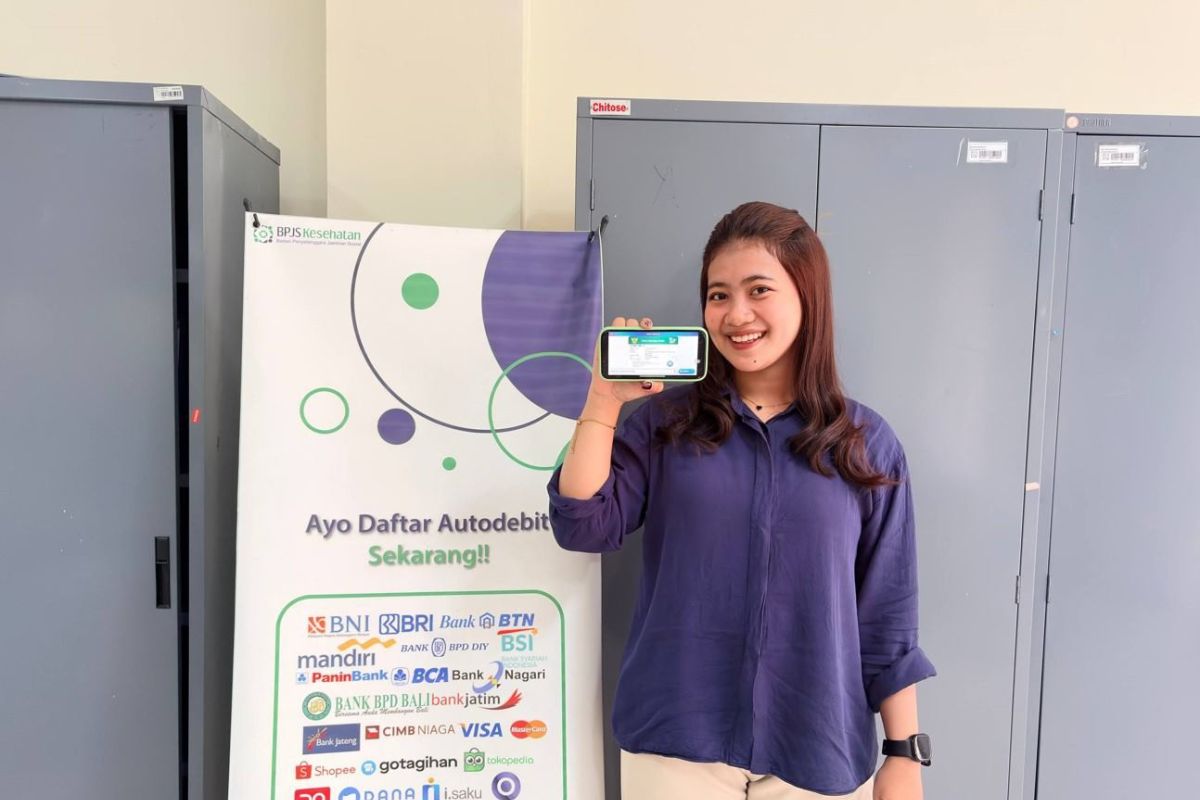
Manado - The experience of caring for a sick family member became an unforgettable moment for Shilvya (20), a sixth-semester student at Tadulako University, who along with her family accompanied her grandmother during a stroke in 2023.
“Initially, my grandmother suddenly showed symptoms of her face drooping to one side, then her right arm and leg felt weak. She also had difficulty speaking and appeared confused when communicating. We immediately panicked and rushed her to the hospital,” said Shilvya, a resident of Tondo Subdistrict in Palu City, on Thursday.
The symptoms experienced by her grandmother are common signs of a stroke, such as weakness on one side of the body to speech disturbances.
“We are grateful because my grandmother is already registered as a participant in the national health insurance (JKN). So, when referred to Palu, the process went smoothly. Everything was handled according to medical procedures,” she said.
After undergoing intensive treatment, her grandmother now routinely attends check-ups at the hospital for approximately the last three years. As a result, Shilvya’s grandmother’s health condition has gradually improved and she can now return to normal activities.
“We truly felt the benefits of JKN, because stroke treatment is not quick; it requires time and considerable costs,” Shilvya revealed.
In addition to the experience of caring for her grandmother, Shilvya also admitted to directly experiencing the benefits of the JKN Programme when she had to undergo treatment for gastritis.
As an active participant in the Non-Wage Earning Workers (PBPU) segment and Local Government Assistance, Shilvya and her family feel helped by the JKN programme.
“The process is easy and the service is also good. I am very grateful because whenever we are sick, my family and I are no longer burdened by treatment costs; even when seeking treatment, we only need to bring our ID card and are immediately treated,” she said.
She assesses that the referral system in the JKN Programme facilitates participants in obtaining services according to medical needs, even if in different regions.
“Even though we are from Tolitoli, when referred to Palu, everything went smoothly. The important thing is to follow the service flow from the first health facility (Faskes) to the referral hospital,” she added.
Shilvya expressed her hope that the JKN Programme can continue to run and provide broader benefits to the community.
“A hundred stars for the JKN programme, especially in emergency conditions like this. I hope the JKN programme continues to exist and improves in the future. For the public who are JKN participants, don’t hesitate to come and seek treatment at the Faskes; I myself have felt the benefits of this programme, and there is no difference in treatment at all when I seek medical care,” she said.