
Shifting Seats, Arranging Trust
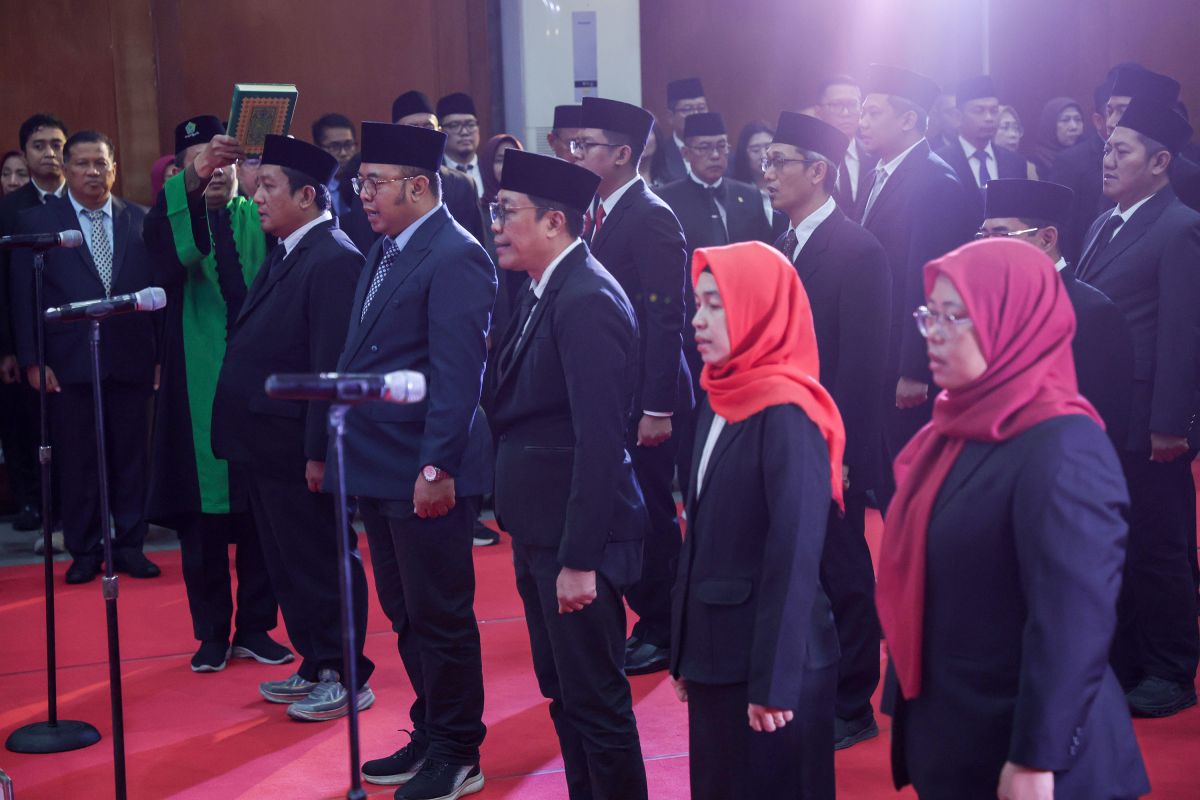
Surabaya has long been known as a region actively innovating in public services. Not many bureaucratic policies can attract public attention like job transfers. In the eyes of some, the replacement of officials is merely an organisational routine. Names change, seats shift, and the wheels of government continue to turn as usual. However, that perception changed when transfers were carried out following an alleged illegal levy case affecting small traders at a government-owned asset. The alleged illegal levy case at the Sentra Wisata Kuliner (SWK) Tambak Wedi, Kenjeran, Surabaya City, East Java, serves as a reminder that public service problems do not always arise from erroneous policies. Often, problems emerge because of lax supervision and the loss of the state’s presence at the point closest to the community. In Surabaya, the city government’s response did not stop at the legal handling of the alleged perpetrators. The city government also made job transfers part of the bureaucratic evaluation. A neighbourhood head deemed negligent in supervision was shifted from the position of head of the area to head of a section. This step sends a message that a leader’s responsibility is not just signing documents, but ensuring public services truly function as they should. On many occasions, Surabaya Mayor Eri Cahyadi has stressed that a sub-district head or neighbourhood head cannot hide behind the phrase ‘I didn’t know’. This statement actually reflects a paradigm shift in the bureaucracy. Public office is not merely administrative authority, but a mandate that demands a real presence within the community. This change in perspective is the crucial point. All this time, the measure of bureaucratic success has often relied on administrative completion, budget absorption, or programme achievements. Yet, the community feels the benefits more when officials are present to hear complaints directly, know about problems before they become a crisis, and make decisions without waiting for issues to escalate. The alleged illegal levy case at SWK shows that a distance between the government and citizens can still form, even at the closest level of government. Illegal levies are not a new phenomenon in Indonesia. The Ombudsman of the Republic of Indonesia, in various public service supervision reports, still places maladministration, including procedural deviations and abuse of authority, as a persistent problem in various regions. Such practices usually develop when the supervision system weakens and the space for accountability narrows. Therefore, fighting illegal levies is not enough with just enforcement operations. What is far more important is building a bureaucratic culture that makes deviations difficult to grow from the start.