
Sharper Star Observations Enabled by Modern Laser-Powered Telescope Technology
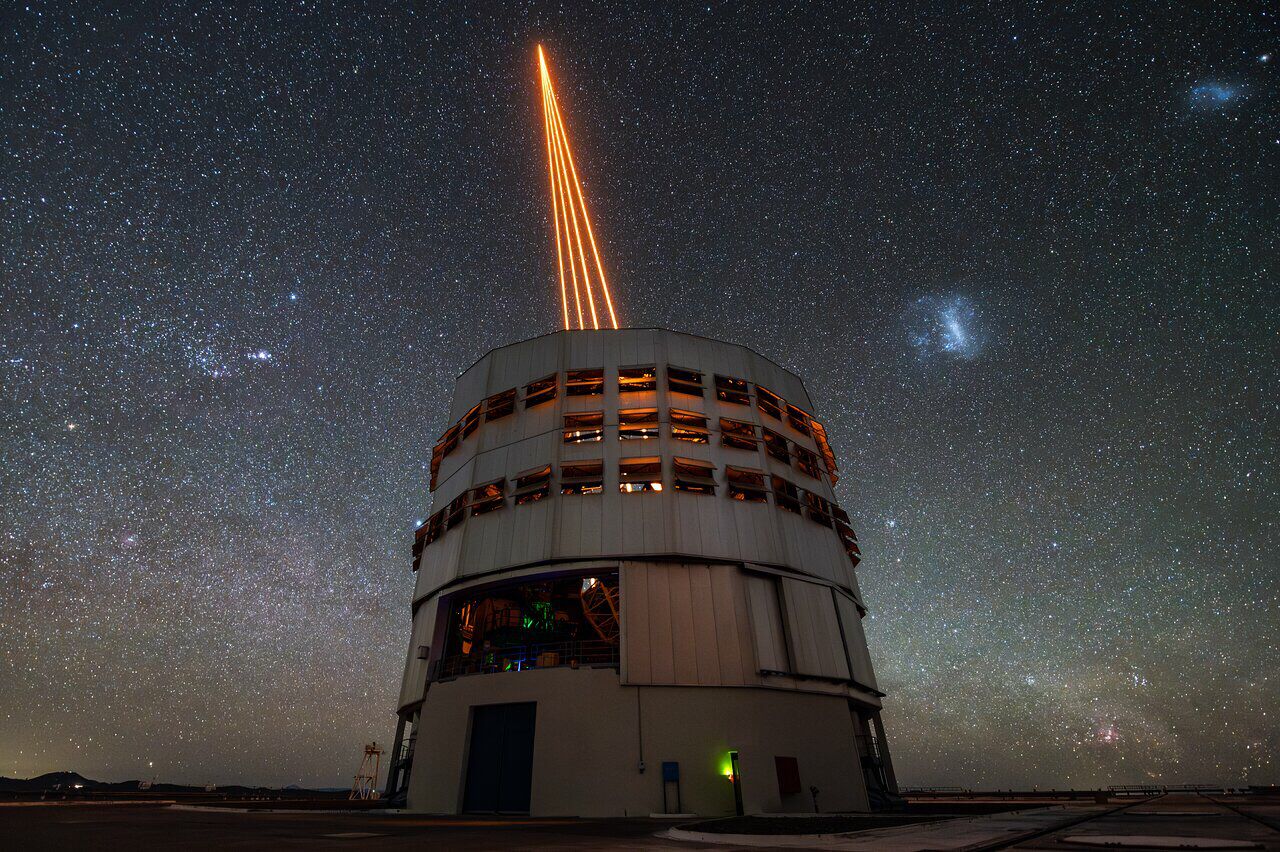
By 2026, the boundary between space observation and ground-based astronomy is blurring. Astronomers have successfully implemented sophisticated laser systems that neutralise atmospheric distortion in real time, resolving the classic challenge of stellar twinkling caused by air turbulence obscuring cosmic details. Known as Adaptive Optics (AO), this laser-based technology operates with high precision, creating artificial reference points in space rather than relying solely on natural starlight. The system forms the backbone of the world’s most advanced astronomical facilities. Data from the European Southern Observatory (ESO) shows the latest AO generation has been tested on Chile’s Very Large Telescope (VLT) and is a critical component of the upcoming Extremely Large Telescope (ELT). The enhanced clarity allows astronomers to detect exoplanets with greater accuracy, studying distant planetary atmospheres for water, oxygen, or other life-supporting elements. The presence of laser technology confirms ground-based telescopes retain a vital role amid the rise of space observatories, offering lower operational costs and easier maintenance while matching space-grade precision. With artificial intelligence integrated into distortion data processing, the future of astronomy promises unprecedented clarity in solving mysteries of black holes and ancient galaxies.