
Sharp Fall in Jakarta Composite Index Raises Alarm for Indonesia’s Economy
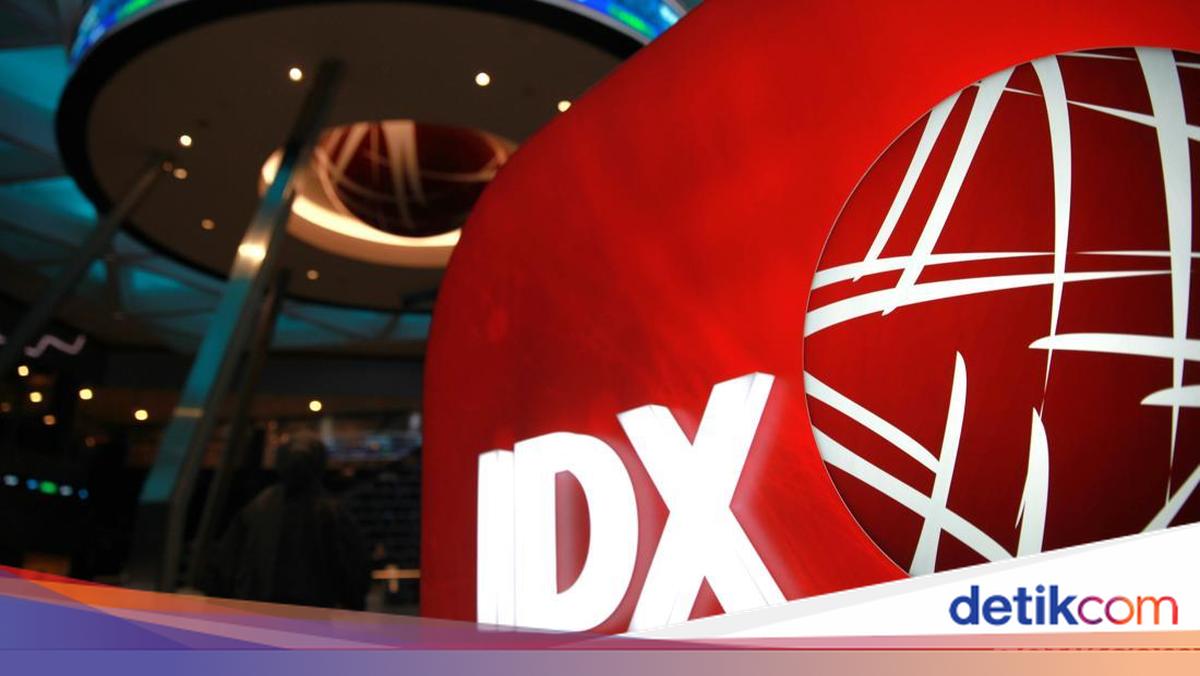
The Jakarta Composite Index (IHSG) plunged 11.57%, shedding 678.77 points to close at 5,185. Senior INDEF economist and Paramadina University Rector Didik J. Rachbini said the fall reflected serious problems in Indonesia’s capital market, particularly an investor confidence crisis over market governance and transparency.
The index’s decline came amid an announcement by international index provider Morgan Stanley Capital International (MSCI), which could downgrade Indonesia’s capital market from Emerging Market to Standalone Market.
Didik said the underlying problem facing Indonesia’s capital market was the gap between formal regulations and behaviour on the ground. Global institutional investors had also long been concerned about Indonesia’s investability and equity governance.
“This situation has caused confidence in the system to collapse. This is happening in the capital-market system, where shares have plunged by more than 8%, falling to 5,393 and even lower,” Didik said in a statement on Friday (16 October 2026).
According to Didik, investors suspect coordinated trading that distorts prices and prevents the market from functioning properly. He said Indonesian authorities had not been sufficiently responsive to these concerns.
As a result, when global institutions highlight the issue, capital flows out as investors avoid a market they consider untrustworthy and unfair.
Didik said measures already adopted by the authorities, including free-float requirements and disclosure obligations for shareholders with a 1% stake, had yet to produce concrete evidence or a lasting positive impact on market functioning.
“But the fact is that, on the ground, there is still considered to be no concrete evidence. These rules are seen as having failed to deliver a sustained positive impact on the market’s day-to-day functioning,” he added.
Confidence crisis is a warning sign
Didik compared the capital market to a sea mussel, which detects environmental damage early by absorbing pollutants. He said the IHSG’s plunge was an early-warning system for Indonesia’s wider political and economic conditions.
The capital market could become an alarm for the economy if the problems persist, Didik said. Issues involving integrity, ownership transparency and oversight must be addressed promptly to prevent serious consequences.
“This signals a warning for Indonesia’s wider political economy. This cannot be taken lightly and must be met seriously with policies and action,” he said.
Didik said restoring market confidence was a fundamental priority. Investors, he said, did not trust the price-formation process, saw problems with ownership transparency, and questioned capital-market governance as well as whether oversight was influenced by political interests.
These conditions could increase companies’ cost of capital and prompt institutional investors to reduce their exposure to Indonesia’s capital market.
“If these problems are not resolved, companies’ cost of capital could rise and institutional investors could reduce their exposure. The capital market would then become a less useful economic institution, with its ability to finance national economic and industrial activity declining,” he said.
Didik urges OJK, IDX and KSEI to reform
Didik urged financial and capital-market authorities to undertake internal reforms. The Government and relevant institutions, including the Financial Services Authority (OJK), the Indonesia Stock Exchange (IDX) and the Indonesian Central Securities Depository (KSEI), were asked to take concrete steps to restore investor confidence.
First, they should conduct an audit and comprehensively improve transparency at supervisory institutions. Second, they should consolidate ownership data and identify extreme concentrations. Third, they should examine signs of coordinated transactions and establish verifiable disclosure standards.
These measures are needed to ensure that capital-market reforms are based on evidence of compliance and measurable supervision, while safeguarding investors’ rights and ensuring fair legal processes.
“This would allow the market to be corrected on the basis of compliance evidence and measurable supervisory action, alongside protection of investors’ rights and fair legal procedures,” he added.
Source: jawawa.id (https://jawawa.id/newsitem/sharp-fall-in-jakarta-composite-index-raises-alarm-for-indonesias-economy-1792194618)
Originally published by detikBali (https://www.detik.com/bali/bisnis/d-8710883/ihsg-anjlok-parah-alarm-bahaya-bagi-ekonomi-ri), translated from Indonesian