
Shark Attack in Australia Sparks Debate on Culling and Climate Impact
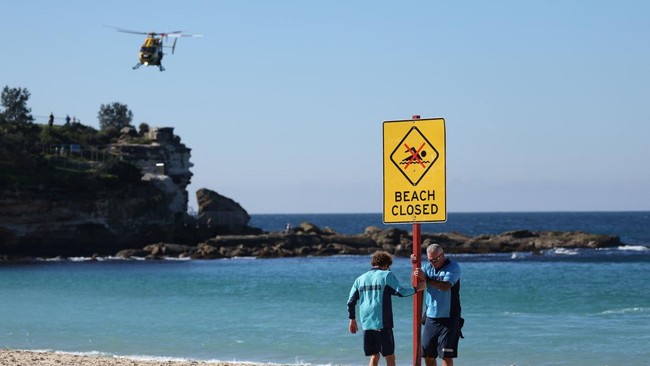
Coogee Beach in Sydney, Australia, was the scene of a shark attack on a visitor last week. Authorities reopened the beach on Monday, but imposed extremely strict surveillance after the incident. According to Reuters, authorities deployed massive jet ski patrols along the beach and operated tracking drones to ensure tourist safety. “Our beach inspectors will continue jet ski patrols throughout the day, and Surf Life Saving NSW is operating shark surveillance drones at Coogee Beach,” stated a Randwick City Council release regarding efforts to sterilise the beach area from the threat of predators. Previously, a shark bit a 35-year-old female swimmer three to four metres from the water’s edge on Saturday morning. The victim suffered severe injuries to her arm and lower left leg and is currently reported to be receiving intensive care in hospital in a stable condition. This marine predator attack has triggered a surge in psychological anxiety among local residents and tourists who frequently spend time at the golden beach area. The weekend incident is the latest in a spate of fatal shark attack cases that have hit various coastal areas of Australia in recent months. Data from the Australian Shark Incident Database shows a gradual increase in cases, with an average of 29 incidents per year over the last decade. According to analysis by marine scientist Leonardo Guida, this increase is driven by human population growth and the tangible impact of global climate change. “Climate change is altering how our oceans work, causing seawater to become warmer, which increases the intensity of people swimming while also changing shark movement patterns,” Guida explained regarding the correlation between marine ecosystem damage and wildlife aggressiveness. The tragedy has also reignited fierce political debate within the Australian government over the option of mass culling of attacking shark populations. Former conservative Prime Minister Tony Abbott has openly urged the government to immediately pass regulations for culling great white sharks to protect the safety of swimmers at the beach. “It is very wrong if we do not cull sharks after an attack occurs,” Abbott asserted, delivering his strong opinion via a video recording officially uploaded to his personal Facebook page. However, the mass culling proposal has been firmly rejected by academics, who argue it would not significantly improve ecosystem safety. Emeritus Professor Rob Harcourt stressed that the use of modern technology is far more effective and humane for predicting shark presence than slaughtering these legally protected marine animals.