
Shanxi Tragedy Reveals Dark Side of China's Coal Industry, Sparking Global Concern
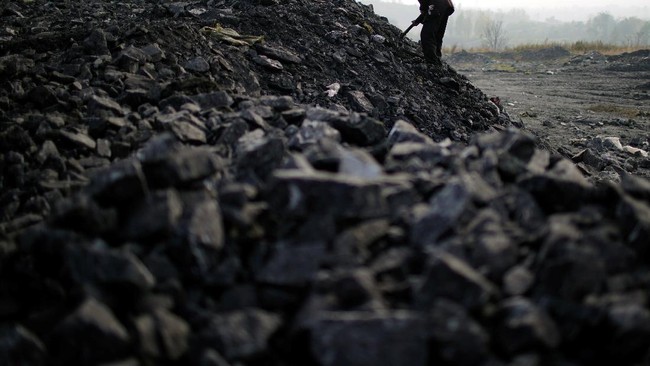
An explosion rocked the Liushenyu mine in Shanxi Province on 22 May 2026, immediately drawing intense public scrutiny to a region that has served as the heart of China’s coal industry for decades. At least 82 people died and over 120 others were injured, making it the deadliest mining accident in China in more than 15 years.
Following the incident, another tragedy occurred in Huize, Yunnan Province, where an illegal mining operation collapsed, killing five people. These two incidents in such a short timeframe have raised questions regarding whether China’s coal sector has truly moved past its era of safety negligence.
While China is currently the world’s largest developer of renewable energy, coal remains the foundation of its energy system. The International Energy Agency (IEA) estimates China’s coal consumption will reach 4.953 billion tonnes in 2025, accounting for approximately 56% of global consumption. As the world’s largest producer and importer, Beijing’s decisions directly impact global coal prices, including the Indonesian export market.
Despite the rapid growth of renewables, the decline in coal consumption is progressing slowly. The IEA predicts China’s consumption will remain around 4.77 billion tonnes by 2030. Consequently, coal-producing regions remain strategically vital. Four provinces—Inner Mongolia, Shanxi, Shaanxi, and Xinjiang—account for roughly 81% of national production.
Historically, Shanxi has been a coal hub, but it was also synonymous with frequent mining disasters. Chinese state media once referred to the economic growth from the sector during the early 2000s as ‘bloody GDP’. While safety reforms and increased mechanisation have reduced death rates by over 90% compared to the 1990s, the Liushenyu explosion serves as a stark reminder of persistent issues.
Preliminary investigations revealed serious violations, including unmapped tunnels, unregistered workers, and the failure to use mandatory tracking devices. Evidence suggests companies may have bypassed tracking to mine unauthorised coal seams, suggesting the core issue is regulatory compliance rather than technology.
This crisis emerges as China’s coal industry undergoes a geographical shift towards the northwest, particularly Xinjiang. This region is becoming a hub for coal-to-chemical downstream industries, with over 20 major projects under construction. These projects aim to use coal as a strategic raw material for chemicals to reduce dependence on oil and gas imports.
Beijing is currently attempting to navigate the tension between reducing carbon emissions and maintaining national energy security. The government aims to reduce coal’s share in the electricity system from 55% in 2024 to 43% by 2030, while increasing renewables from 37% to 49%. However, as national electricity demand grows, coal remains essential as a backup resource when solar, wind, and hydro production is insufficient.