
Seychelles explores cooperation in hot spring tourism development in Berau
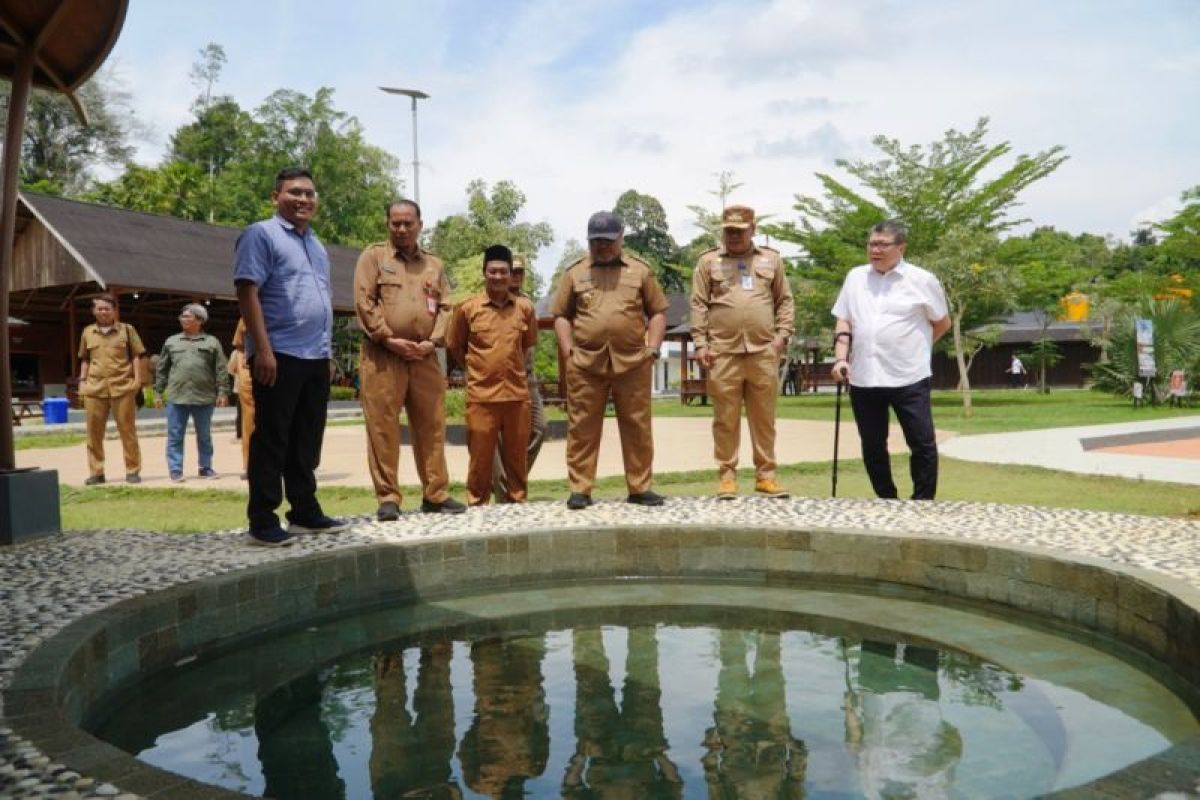
Berau Regency has many unique and attractive natural tourist destinations, one of which is natural hot springs.
Berau, East Kalimantan (ANTARA) — The Republic of Seychelles, a country on the African continent, is exploring cooperation to develop the Pemapak Hot Springs tourism site in Biatan Bapinang village, Biatan subdistrict, Berau Regency, East Kalimantan, as part of efforts to increase visitor numbers.
The hot springs attraction has so far recorded a high level of visits — during the Christmas 2025 to New Year 2026 holiday period around 4,500 visitors were recorded, and since reopening after improvements on 21–25 March 2026, some 5,600 visitors have been recorded.
“Berau Regency has many unique and attractive natural tourist destinations, one of which is natural hot springs that remain open for further development, whether in terms of facilities, accommodation, attractions and more, so that visitor numbers increase,” said Berau Deputy Regent Gamalis in Tanjung Redeb on Tuesday.
He said investment support is one of the keys to developing growing destinations further, so that they are expected to provide greater added value for the regional economy and the welfare of local communities.
He also expressed hope that more collaboration and investment would come in, so that tourism destination development could proceed more optimally — including interest from investors from Seychelles in nature-based tourism development.
That interest was evident when Gamalis accompanied Nico Barito, Seychelles’ envoy to ASEAN, on a visit to the hot springs attraction on Monday (20/7).
He said Nico Barito’s visit was a moment to introduce Berau’s flagship tourism potential, as well as to discuss in greater depth opportunities for developing destinations based on local wisdom.
Nico Barito said the Pemapak Hot Springs have strong appeal to be developed as a sustainable tourism destination, so that the economic impact on local communities can be felt continuously.
“In tourism development, it is not enough to rely solely on natural beauty and existing riches; we must also be able to elevate local stories and identities that set a destination apart from others,” said Nico.
Every destination, he added, must have its own story. When a destination has a strong narrative, tourists become curious to visit, and they will even return at another time and bring relatives along.
For that reason, the local wisdom held by communities around the area must become part of the tourism experience, which is what he continues to encourage so that tourism development can be carried out more quickly.
“The development of the Pemapak Hot Springs destination also needs to be strengthened with an experience-based tourism concept, presenting attractions that showcase local culture, and adding supporting activities so that visitor numbers remain consistent throughout the year rather than seasonal,” Nico added.