
Sexual Harassment Crisis on Campus: Why Victims Stay Silent
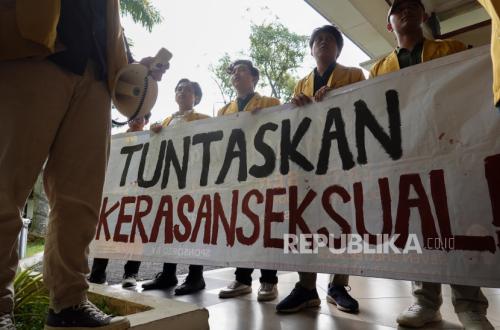
The sexual harassment crisis in higher education has reached emergency levels, with cases emerging not only in small colleges but also in the nation’s most reputable universities. In early June 2026, 16 students from the Faculty of Law at the University of Indonesia were found guilty of engaging in obscene chats. The campus administration moved quickly to address the case after it went viral online. A similar cyber harassment case was reported at Brawijaya University in Malang, East Java, where a high-achieving law student allegedly spread a victim’s private photos in an 18+ Telegram group. In Yogyakarta, a student at Ahmad Dahlan University was reported to the Sleman Police for allegedly harassing two female students during a community service programme. Meanwhile, at the University of North Sumatra, the Task Force for the Prevention and Handling of Sexual Violence received 10 reports from victims of a single perpetrator at the Faculty of Economics and Business, with the total number of victims suspected to be around 66 students.
Data from the Ministry of Women’s Empowerment and Child Protection recorded 2,681 cases of sexual violence in higher education settings. A national survey indicates that up to 77 percent of violence in education takes the form of sexual harassment, yet 63 to 66 percent of victims choose to remain silent or are afraid to report. Studies by the PPKS Task Force show that 52 percent of incidents occur on campus, 26 percent off campus, and 22 percent online. The forms of harassment are diverse, ranging from physical contact to verbal abuse, sexist jokes, catcalling, and the non-consensual distribution of private images. The impact on students is devastating, leading to declining academic performance, anxiety, and long-term psychological trauma.
Victims’ silence is driven by several factors. Imbalanced power relations are a primary cause, as perpetrators often hold positions of authority, such as lecturers, senior students, or administrative staff, leading victims to fear academic retaliation or social ostracism. Additionally, reporting systems are widely perceived as convoluted and unsupportive, forcing victims to relive their trauma during lengthy confirmations and procedures. The pervasive stigma and threat of victim-blaming further deter reports, as the gradual public exposure of a victim’s identity during the process instils deep shame and fear. To address this emergency, Indonesia has ratified the Sexual Violence Crime Law and issued Minister of Education and Culture Regulation Number 55 of 2024 on the Prevention and Handling of Sexual Violence in Higher Education.